
Burnham’s Verbose PMQs Style Sparks Speaker Hoyle’s Frustration
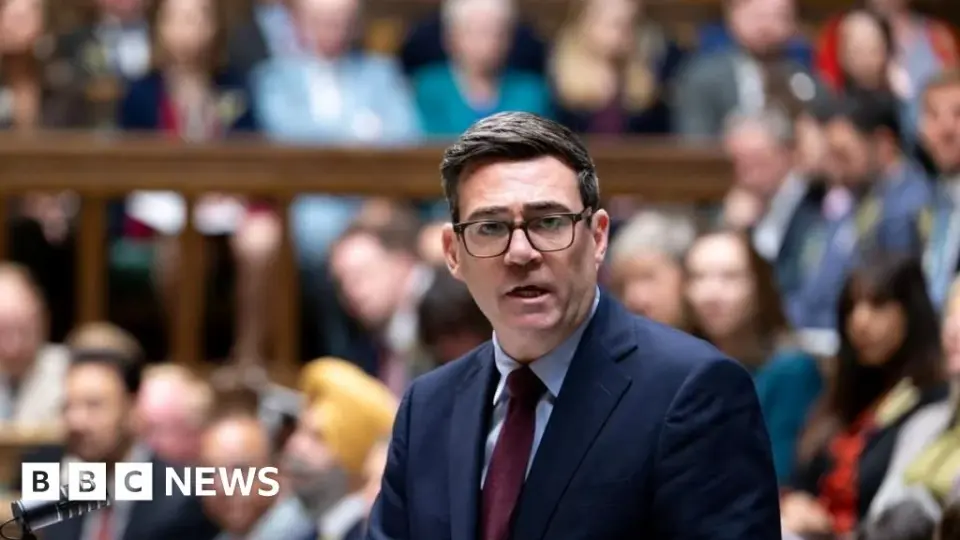
Prime Minister Andy Burnham is facing criticism from Commons Speaker Lindsay Hoyle for delivering overly long answers during Prime Minister’s Questions (PMQs). Data shows Burnham spends significantly more time per answer than recent predecessors, prompting Hoyle to urge brevity to ensure all backbenchers can participate.
Key points
- Burnham has spoken for an average of 22 minutes per PMQs session in his first three appearances, exceeding the 30-minute slot by 10-20 minutes.
- Burnham averages 51 seconds per answer, compared to 33-39 seconds for Liz Truss, Boris Johnson, Keir Starmer, and Rishi Sunak.
- Speaker Lindsay Hoyle has repeatedly intervened, stating he cannot get through the question list and will be in trouble with backbenchers if sessions run long.
- A senior 10 Downing Street source claims Burnham takes longer because he is actually answering detailed questions, unlike some predecessors.
- Hoyle’s office emphasizes the speaker’s priority is allowing as many backbenchers as possible to ask questions during the session.
Background
Burnham took office three months ago, succeeding Keir Starmer. His early tenure has involved navigating economic pressures and foreign policy decisions, including EU trade talks and oil and gas approvals. This PMQs issue highlights a procedural friction in his new role, contrasting with the more concise styles of his immediate predecessors.
Why it matters
The length of PMQs affects the ability of backbench MPs to hold the government to account. If the Prime Minister monopolizes the time, it limits democratic scrutiny and frustrates the Speaker’s role in managing parliamentary business. This could set a precedent for Burnham’s entire tenure, influencing how he engages with Parliament.
What to watch
Burnham may need to adjust his answering style to fit the time constraints, or Hoyle may continue to intervene more frequently. The outcome could affect the dynamic between the executive and the legislature, and how backbenchers perceive the Prime Minister’s engagement with Parliament.
- Andy Burnham risks wrath of Commons Speaker for talking too much at PMQs BBC
- Burnham and Badenoch clash over Jackdaw gasfield and inflation – UK politics live The Guardian
- Andy Burnham to face Kemi Badenoch at PMQs BBC
- PMQs live: Burnham and Badenoch clash over borrowing and North Sea drilling BBC
- WATCH: Badenoch Mocks Burnham for Election-Style Minor Policies Guido Fawkes
Want the full story? Read the original reporting
Read on BBC