
China Enforces New Exit Bans Linking Tech Violations to Travel Restrictions
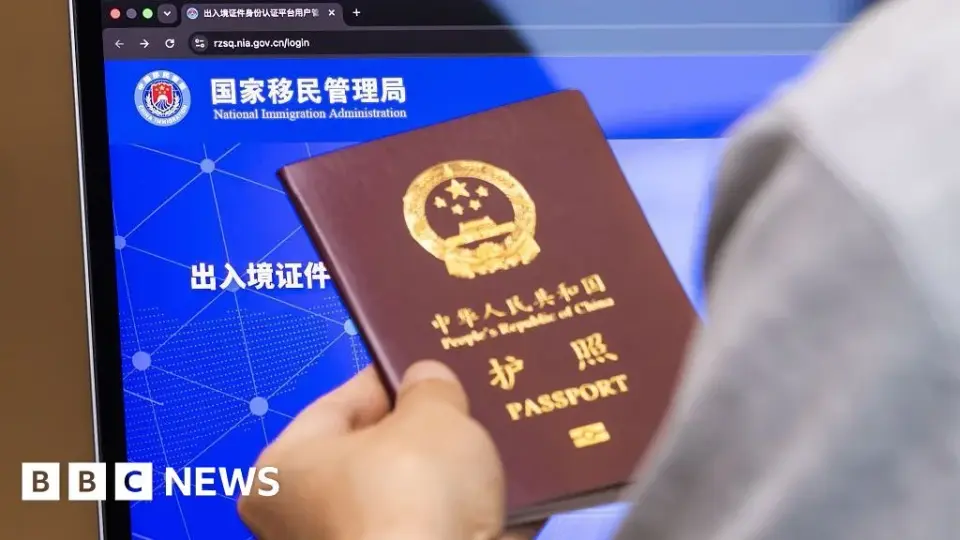
China has implemented new exit and entry regulations that allow authorities to ban citizens from leaving the country for up to three years if they are deemed to have harmed national security or violated technology export controls. The rules, which took effect on Tuesday, formalize previous informal restrictions on civil servants and state-owned enterprise employees, extending controls to private sector workers in sensitive industries. While Beijing states the measures are necessary to safeguard sovereignty and prevent illegal activities, critics argue they expand state control over individual movement and create a chilling effect on international travel.
Key points
- New regulations allow exit bans of up to three years for citizens who commit acts abroad that harm national security or violate tech export/import rules.
- The rules formalize restrictions previously applied informally to civil servants, state-owned enterprise staff, and their families, now explicitly covering private sector employees in sensitive roles.
- Authorities must now advise citizens against traveling to 'high-risk' countries, a move critics say could discourage travel to destinations like the US and Japan.
- China denies the rules restrict ordinary citizens, stating they target illegal gambling, scams, and high-risk travel patterns, but acknowledges they standardize procedures for exit and entry.
- Taiwan has warned its residents to exercise caution when visiting China, citing concerns that the new export control language could be used to restrict Taiwanese tech workers.
Background
These new regulations follow a trend of tightening controls on overseas travel and technology outflows, building on measures that took effect in July 2026. They reflect Beijing's broader strategy to secure state secrets and advanced technology amid geopolitical competition with the US, particularly regarding AI and semiconductors. Previous informal restrictions had already required many government and state-owned enterprise employees to surrender passports and seek approval for overseas travel, but the new laws provide a clearer legal framework for enforcement.
How outlets are covering it
BBC and Financial Times emphasize the expansion of state control over individual citizens, with BBC citing Professor Tom Kellogg's comparison to Mao-era isolation and FT highlighting the 'chilling effect' on travel applications. CNBC focuses on the business impact, noting that the rules aim to close loopholes used by Chinese companies to move people and money abroad, particularly to Singapore and Japan, while acknowledging that general global business sentiment may not be materially affected. U.S. News & World Report highlights the legalization of previously unfounded border control practices and the specific concerns raised by Taiwan regarding tech workers. All sources agree that the rules formalize and expand existing restrictions, but differ in emphasis: BBC and FT focus on civil liberties and ideological control, CNBC on corporate compliance and tech outflows, and U.S. News on legal and geopolitical implications for Taiwan and foreign nationals.
Why it matters
The new regulations signal a significant shift in China's approach to international travel, moving from informal, discretionary restrictions to a formal legal framework that ties exit bans to national security and technology export controls. This could have broader implications for global business, technology transfer, and individual freedoms, as it gives authorities greater discretion to restrict movement and potentially deter international engagement. The rules also reflect Beijing's growing concern over technology leakage and its efforts to counter foreign sanctions and maintain technological dominance in a competitive global landscape.
What to watch
Authorities will likely enforce the new rules more consistently, potentially leading to more frequent exit bans and travel advisories for citizens. Companies, particularly in the tech sector, may face increased scrutiny and compliance requirements for overseas travel and operations. Taiwan and other countries may continue to monitor the impact on their citizens and residents, and international observers will watch for how the rules are applied in practice, particularly regarding private sector employees and sensitive industries.
- China tightens travel restrictions for citizens BBC
- CNBC's The China Connection newsletter: Tech controls expand to employees CNBC
- China tightens control of overseas travel in sweeping new law Financial Times
- China's New Tech, National Security Exit Rules Take Effect U.S. News & World Report
- MAC official warns of travel risks to China amid new rules Focus Taiwan
Want the full story? Read the original reporting
Read on BBC