
Conscription Crisis: Ultra-Orthodox Draft Exemption Dominates Israel’s 2026 Election
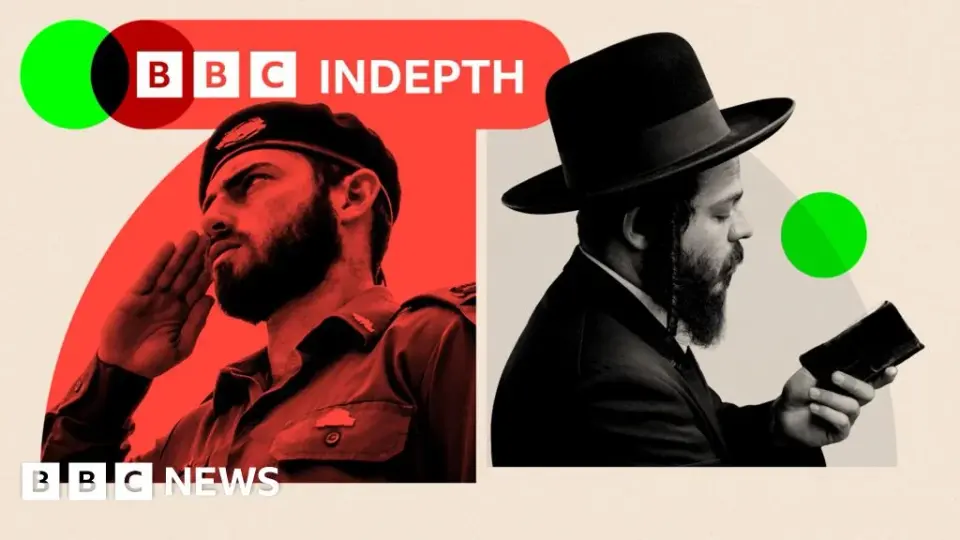
The debate over military conscription for ultra-Orthodox (Haredi) men has become the central issue in Israel’s October 27, 2026 election, overshadowing other conflicts. While 72% of Israelis support drafting Haredim alongside other citizens, the community’s political representatives, Shas and United Torah Judaism (UTJ), refuse to join any coalition that does not guarantee their exemption. This deadlock threatens Prime Minister Benjamin Netanyahu’s coalition, which relies on Haredi support to reach a majority, while opposition leader Gadi Eisenkot campaigns on ending the exemption. Recent clashes between police and Haredi protesters, including a violent incident in Modi'in, have intensified public anger, with critics viewing the exemption as a dereliction of duty during ongoing wars in Gaza and the West Bank.
Key points
- A 2024 Supreme Court ruling declared the blanket Haredi draft exemption illegal, but enforcement remains stalled due to political pressure from Shas and UTJ.
- Approximately 80,000 to 90,000 Haredi men aged 18-29 are currently evading service, creating a significant manpower deficit for the IDF amid multi-front wars.
- Netanyahu’s coalition is polling at only 50-52 seats, short of the 60 needed for a majority, largely due to the toxic nature of the conscription issue among the broader public.
- Opposition leader Gadi Eisenkot proposes a compromise allowing only 3% of Haredi men to remain exempt for religious study, while the Haredi parties demand a full legal exemption.
- A new party, Haredi Public, has emerged offering a middle ground, but traditional Haredi parties remain intransigent, threatening to collapse any government that enforces the draft.
Background
The Haredi community, comprising about 14% of Israel’s population, has historically been exempt from military service since the state’s founding in 1948 to preserve religious study after the Holocaust. This exemption, which cost the government approximately 35 billion shekels annually in subsidies, was challenged legally in the 1990s and 2000s but remained in place through political accommodations. The 2024 Supreme Court ruling marked a turning point, declaring the exemption unconstitutional, but enforcement has been delayed by successive governments to maintain coalition stability. The current crisis is exacerbated by the ongoing war in Gaza and rising tensions in the West Bank, which have increased public resentment toward the perceived inequality of military burden.
How outlets are covering it
BBC and Al Jazeera emphasize the deep societal schism and the political leverage of Haredi parties, noting that Netanyahu’s coalition is fragile without their support. The Jerusalem Post highlights the legal and historical context, pointing out that while the exemption is illegal, enforcement has been minimal, with only 4,298 Haredim enlisting between July 2025 and June 2026. The Conversation focuses on the structural power of Haredi parties in Israel’s proportional representation system, arguing that their small size grants them disproportionate influence as kingmakers. All sources agree that the issue is polarizing, with 72% of Israelis supporting conscription, but they differ on the likelihood of a compromise: BBC and Al Jazeera suggest a stalemate, while The Jerusalem Post sees a potential for a narrow exemption for full-time students. The Conversation notes that Haredi parties may shift alliances if Netanyahu cannot secure their demands, potentially benefiting far-right parties like Ben-Gvir’s Jewish Power.
Why it matters
The conscription debate is not just a policy issue but a test of Israel’s social cohesion and democratic stability. If the Haredi parties refuse to join any coalition that enforces the draft, it could lead to a government crisis or the rise of more extreme political alternatives. The issue also reflects broader tensions between religious and secular identities in Israel, with implications for the country’s future demographic and political landscape. As the Haredi population grows, potentially reaching one-third of Jewish Israelis by 2050, the question of their integration into national service will become increasingly urgent.
What to watch
The October 27 election will determine whether a new government can form a coalition that addresses the conscription issue. If Netanyahu fails to secure a majority, he may rely on far-right parties, which could further polarize the Haredi community. A compromise on the draft, such as Eisenkot’s proposal, may be the only way to break the deadlock, but it requires significant concessions from both sides. In the short term, enforcement of the 2024 Supreme Court ruling may continue to face legal and political challenges, with potential for further protests and court battles.
- The bitter row over military service that could shape Israel's future BBC
- Ultra-Orthodox conscription debate ignites Israel’s election battleground Al Jazeera
- Will this election end the battle over drafting haredi men into the IDF? - analysis The Jerusalem Post
- Why ultra-Orthodox parties hold so much sway in Israeli politics The Conversation
- Breaking Point Mishpacha
Want the full story? Read the original reporting
Read on BBC