
politics1 hour ago
Netanyahu's Hawkish Pivot Meets a Global Voter Exodus
Israelis vote on Oct. 27 in a tight race between Netanyahu and Gadi Eisenkot, with overseas citizens flying home to vote and soldiers grappling with war trauma.

All articles tagged with #israel election 2026
Israelis vote on Oct. 27 in a tight race between Netanyahu and Gadi Eisenkot, with overseas citizens flying home to vote and soldiers grappling with war trauma.
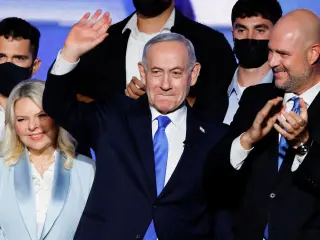
Israelis vote on October 27 in a tight race between Benjamin Netanyahu and Gadi Eisenkot, with neither side securing a clear majority. The election is defined by deep societal trauma, mass emigration, and institutional changes. While Netanyahu faces corruption charges and an ICC warrant, his opponents struggle to form a stable coalition. Tens of thousands of expatriates are returning to vote, and soldiers report severe mental health crises, highlighting a fractured society.
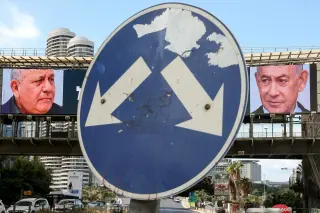
Israeli polls ahead of the October 27 election indicate a likely stalemate, with neither Benjamin Netanyahu’s bloc nor Gadi Eisenkot’s opposition reaching the 61-seat majority required for government. While mainstream polls show Eisenkot slightly ahead, right-leaning surveys favor Netanyahu. The outcome hinges on Arab voter turnout, which could shift the balance by several seats.
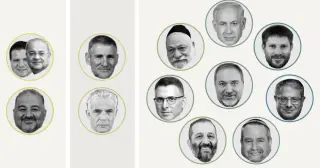
Israelis vote on October 27 in a closely contested election where the far right is gaining ground despite a decline in support for Prime Minister Benjamin Netanyahu. Analysis of recent Knesset votes reveals that mainstream centrist parties often align with the far right on issues concerning Palestinians, such as opposing statehood and supporting annexation. While the far-right leader Itamar Ben-Gvir is gaining popularity among young voters, the overall political landscape remains deadlocked, with Arab-led parties potentially serving as kingmakers despite recent disqualification attempts.

US Defense Secretary Pete Hegseth is meeting with Israeli Prime Minister Benjamin Netanyahu in Israel ahead of the October 27 election. The visit occurs as Netanyahu faces a tight race against centrist Gadi Eisenkot and potential coalition deadlocks. Simultaneously, Hegseth is navigating a delayed US House impeachment vote over alleged violations of the War Powers Resolution regarding Iran.
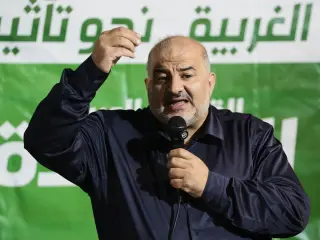
Israelis vote on October 27 in a deadlocked race where neither the Netanyahu-led coalition nor the opposition bloc can secure the 61 seats needed for a majority. Arab-led parties, projected to win 13 seats, and ultra-Orthodox factions are positioned as critical kingmakers. Despite public rhetoric excluding these groups, both major camps may rely on their support to form governments. The election follows a significant rightward shift among young voters, driven by fear and the aftermath of the October 7, 2023 attacks, while center-left parties face physical harassment and declining support.

Five Israeli opposition leaders signed a non-aggression pact on September 26 to challenge Prime Minister Benjamin Netanyahu in the October 27 election. Despite shared anti-Netanyahu sentiment, the bloc remains ideologically fractured, with most leaders maintaining right-wing stances on Gaza and refusing to include Arab parties in a future coalition.
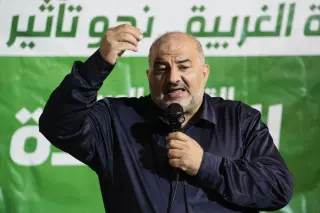
With no party expected to secure a majority in Israel's October 27 election, Arab-led parties may become decisive kingmakers. Polls show a tight race between Prime Minister Benjamin Netanyahu and centrist Gadi Eisenkot, while coalition and opposition blocs remain evenly matched at 51 seats each. Although major Arab lists were initially disqualified, legal challenges have restored their participation, making their support crucial for forming a government.

Israelis vote Oct. 27 amid a tight race where Mansour Abbas’s Raam party is pivotal. Netanyahu frames Abbas as a threat to Israel’s existence, while Abbas focuses on domestic issues for Arab citizens. Polls show a deadlock, with Gadi Eisenkot leading Netanyahu in head-to-head matchups.
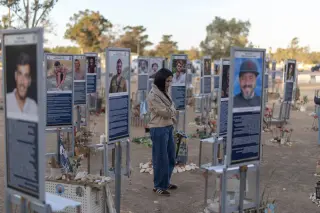
Three years after the Hamas attack, Israeli voters are deeply divided over Prime Minister Benjamin Netanyahu’s role in the security failure. While some survivors and families demand an independent investigation and his removal, others view him as the necessary wartime leader. With polls showing a tight race and no clear majority, the October 27 vote is seen as a referendum on whether to hold Netanyahu accountable for the 1,200 deaths and 251 hostages taken on October 7, 2023, or to continue his strategy of military escalation.
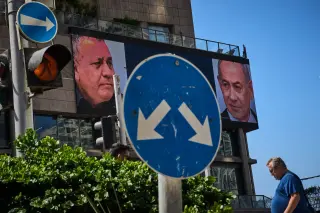
Israel's October 27, 2026, election is poised to replicate the 2019-2020 deadlock, with polls showing a near-tie between Benjamin Netanyahu and Gadi Eisenkot. Both leaders face significant hurdles in forming a 61-seat majority due to entrenched boycotts of Haredi and Arab parties. Unlike 2019, this stalemate occurs against a backdrop of ongoing military operations, international isolation, and unresolved security failures from October 7, 2023.
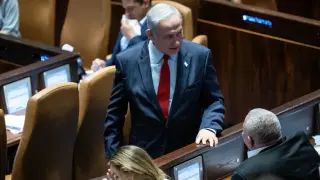
A new Channel 13 poll shows Netanyahu’s coalition bloc holding a slight 54-to-52 seat advantage over Gadi Eisenkot’s camp, despite Likud losing ground to Yashar. The October 27 election remains too fragmented for a clear majority, with anti-Netanyahu parties holding 64 seats in broader averages but facing coalition hurdles.
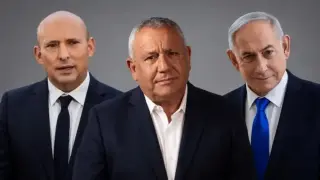
Five polls released after the closure of party lists for the 2026 Israeli election show a fragmented landscape with no clear winner. Gadi Eisenkot’s Yashar party leads in four surveys, while Benjamin Netanyahu’s Likud takes first place in one. The average bloc strength is nearly tied, with the opposition holding a marginal advantage over the prime minister’s camp.
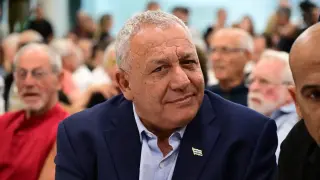
A new poll indicates Gadi Eisenkot’s opposition bloc could secure a 61-seat majority without Arab party support, while Netanyahu’s coalition drops to 47 seats. Eisenkot’s Yashar party leads with 25 seats, widening the gap over Likud’s 20-21 seats. The results suggest a potential shift in coalition dynamics, though margins remain tight and undecided voters stand at 10.4%.
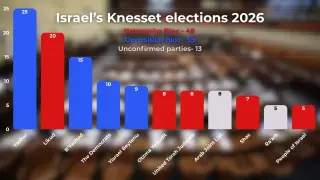
Israel’s October 27 election features a fragmented right-wing bloc and a rising centrist opposition led by Gadi Eisenkot. Key issues include haredi conscription, the October 7 commission of inquiry, and the fate of PM Netanyahu, whose Likud party is polling significantly lower than its current seat count.