
Delhi Lockdown and Mass Detentions Mark Escalation of Voter Roll Protests
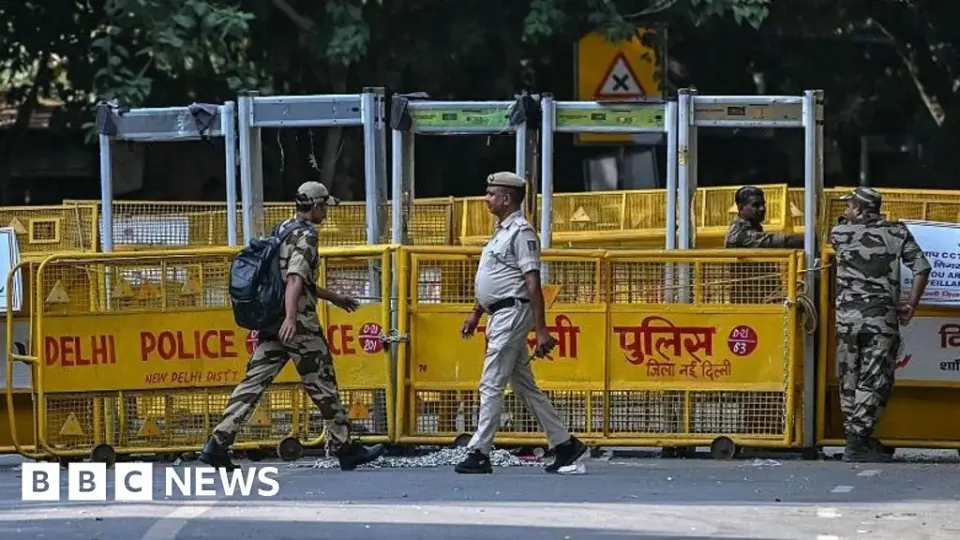
Delhi imposed a severe security lockdown and detained over 2,000 protesters on Saturday as the Gen Z-led Cockroach Janta Party (CJP) attempted to rally against the Election Commission’s voter roll revisions. While authorities cited safety and procedural violations to deny the gathering, the CJP and opposition parties accuse the government of manipulating the electoral process to favor the ruling party, marking a significant escalation in political tensions.
Key points
- Over 30,000 security personnel were deployed in Delhi, with roads barricaded, trains cancelled, and 45 metro stations closed to prevent gatherings at Jantar Mantar.
- More than 2,000 people, including CJP founder Abhijeet Dipke and prominent activist Neha Bora, were detained by police, who used force to remove protesters from the streets.
- The protests demand the resignation of Chief Election Commissioner Gyanesh Kumar over the 'Special Intensive Revision' of voter rolls, which removed 130 million names.
- Police denied the protest permission, citing short notice and past non-compliance, while the CJP argues they only needed to inform authorities, not seek approval.
- Opposition leaders, including Rahul Gandhi, faced police intervention in the days leading up to the main event, with videos of forced removals circulating online.
Background
This event follows a series of youth-led demonstrations in July that resulted in the resignation of Education Minister Dharmendra Pradhan. The current crisis centers on the Special Intensive Revision (SIR) of voter rolls, which began last year. While the Election Commission states the SIR aims to remove duplicate and ineligible entries, critics argue it is a politically motivated effort to entrench the power of Prime Minister Narendra Modi. The archive notes no direct prior connection to this specific political crisis, but highlights broader themes of systemic control failures and voter registration issues in other contexts.
How outlets are covering it
BBC and The New York Times agree on the scale of the security response and the detention of key figures, but differ in emphasis. BBC focuses on the logistical disruption and the official justification for denying the protest, noting the 'short notice' and past non-compliance. The New York Times emphasizes the human element, detailing the force used by police, the detention of leaders like Abhijeet Dipke, and the defiance of young protesters who traveled from across the country. Both outlets highlight the controversy surrounding the 130 million names removed from the voter roll, with the Election Commission denying manipulation while opposition parties and activists allege it favors the ruling Bharatiya Janata Party. The New York Times also notes the unusual nature of the crackdown, comparing it to the 1970s Emergency era, while BBC focuses more on the immediate tactical measures and the CJP's stated willingness to face jail or worse.
Why it matters
The event signals a deepening crisis in India's democratic processes, with the Election Commission facing unprecedented public criticism and the government employing heavy-handed security measures to suppress dissent. The removal of 130 million names from the voter roll, if manipulated, could significantly impact future elections and the integrity of the democratic system. The mass detentions and lockdowns raise concerns about the right to protest and the state of civil liberties in the country. This escalation could have long-term implications for political stability and the relationship between the government and its citizens, particularly the youth population that is driving the protests.
What to watch
The CJP has vowed to continue protesting 'come what may,' with leaders urging supporters to turn any place they are stopped into a protest site. The government may face increased pressure from opposition parties and international observers over the crackdown. The Election Commission may need to address the allegations of manipulation in the voter roll revision to restore public trust. Further protests and potential clashes with security forces are likely, as the CJP and other groups remain determined to demand the resignation of Chief Election Commissioner Gyanesh Kumar. The situation could also lead to legal challenges and further political polarization.
- Thousands of security personnel deployed as Delhi braces for ‘cockroach’ protest BBC
- Live Updates: Protesters Converge on New Delhi Over Cuts to India’s Voter Roll The New York Times
- Delhi braces for more protests The Economist
- Delhi sealed off ahead of youth protest against Indian election chief Reuters
- PM Modi has accepted defeat, says Dipke ahead of CJP’s Jantar Mantar 2.0 The Hindu
Want the full story? Read the original reporting
Read on BBC