
Dover Council Boss Blames Police for Slow Response to 'Stop the Boats' Blockade
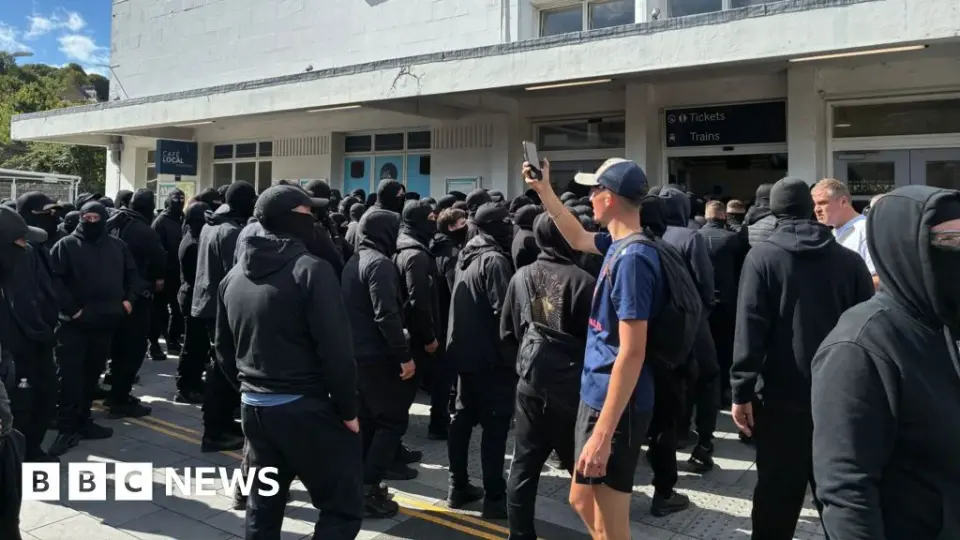
Dover District Council leader Kevin Mills criticized Kent Police for a slow response to a Saturday protest that halted traffic at the Port of Dover for hours. The demonstration, organized by the far-right group Patriot Platform, involved masked men chanting 'stop the boats' and blocking roads. While police described the event as spontaneous and made no arrests, local officials and campaigners argue the force failed to act on known intelligence. The disruption caused significant travel delays, prompting condemnation from government ministers and calls for better coordination with other police forces.
Key points
- Dover District Council leader Kevin Mills stated that police were slow to react to an 'exceptionally well organised' protest that blocked access to the Port of Dover from 07:00 to 11:30 BST on Saturday.
- The demonstration was claimed by the Patriot Platform, an anti-immigration group formed in June, which has links to far-right figures including Danny Thomas and Tommy Robinson.
- Kent Police described the event as a 'spontaneous protest' and made no arrests, but Labour MP Mike Tapp and council members argued the police lacked advance warning or failed to act on intelligence.
- Business Secretary Jonathan Reynolds condemned the 'intimidatory behaviour' but stated that police 'did deal with it swiftly,' while Hope Not Hate warned that inaction could lead to further disruption.
- The protest caused a four-mile traffic jam and prevented access to the port, which handles over 9 million passengers annually, with P&O Ferries offering rebooking for affected passengers.
Background
This incident follows a period of heightened tension regarding small boat crossings, with the UK government reporting a 40% drop in arrivals compared to 2025. The Port of Dover is a critical national infrastructure hub, and previous anti-immigrant protests in the area have drawn national attention. The current dispute highlights ongoing tensions between local authorities, police resources, and far-right activist groups seeking to disrupt port operations.
How outlets are covering it
BBC and The Guardian highlight the criticism from local council leaders and MPs regarding the police response, with Mills calling it 'disappointing' and Tapp questioning the 'spontaneous' label. The Guardian notes that Hope Not Hate believes authorities 'failed to act' despite known plans by the Patriot Platform. In contrast, Kent Police and government minister Jonathan Reynolds defended the police response, with Reynolds stating officers 'did deal with it swiftly' and the government condemning the disruption but acknowledging the right to peaceful protest. CNN provides a factual overview of the traffic impact and the port's significance, while noting the lack of violence. The Telegraph source was inaccessible due to a security block.
Why it matters
The incident raises questions about the effectiveness of police intelligence and resource allocation in preventing large-scale disruptions to critical infrastructure. It also underscores the growing influence of far-right groups in mobilizing protests and the political debate over balancing free speech with public order. The potential for future disruptions, as warned by campaigners, could have significant economic and social implications for the region.
What to watch
Kent Police are expected to review the incident and potentially coordinate with other forces for future events. The Patriot Platform has indicated it may resume activities, with Danny Thomas suggesting a 'next message' after a break. Local politicians are likely to press for increased police presence and better intelligence sharing to prevent similar disruptions.
- Police slow to respond to Dover protest, says council boss BBC
- Black-clad Dover protesters condemned for ‘dressing up in costumes’ by minister The Guardian
- Masked men block traffic to UK’s Port of Dover in apparent anti-immigrant protest CNN
- Police response to Dover protests set to come under scrutiny, as Tommy Robinson associate appears to claim credit Sky News
- Who are the masked protesters who brought Dover to a standstill? telegraph.co.uk
Want the full story? Read the original reporting
Read on BBC