
Eisenkot Bloc Launches Legislative Offensive to Repeal Judicial Reforms and Probe October 7 Failures
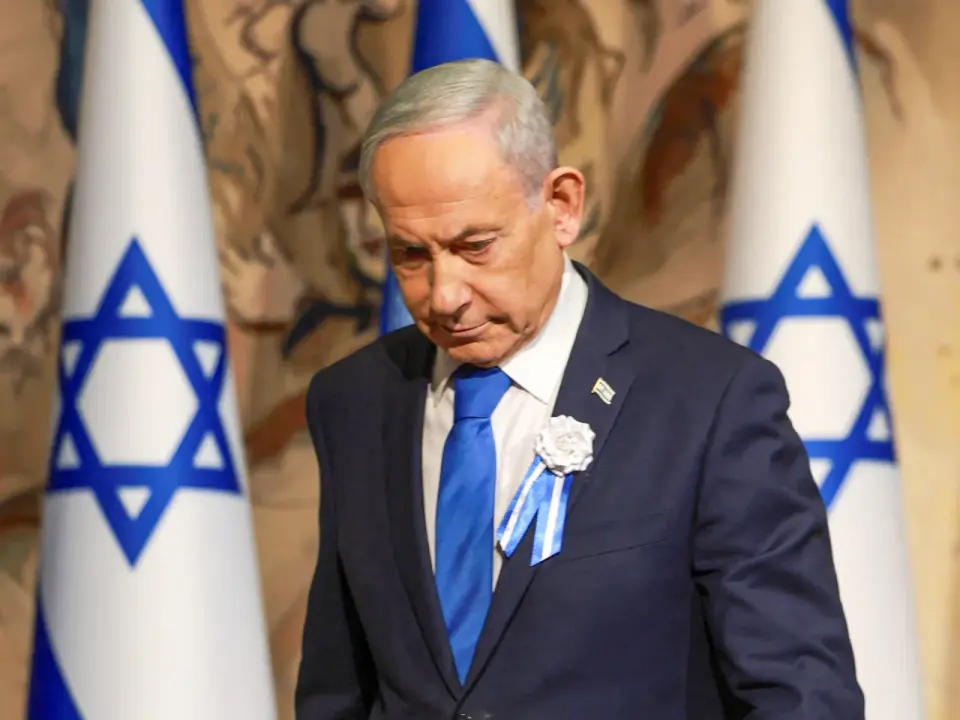
The 26th Israeli Knesset convened on November 10, 2026, with opposition leader Gadi Eisenkot tasked by President Isaac Herzog to form a government. While Netanyahu urged a unity coalition to avoid civil war, Eisenkot’s bloc immediately submitted bills to repeal judicial overhaul measures and establish a state inquiry into the October 7, 2023, attack. Netanyahu faces corruption trials and potential loss of power, while the new parliament includes many members directly affected by the war, intensifying political tensions.
Key points
- President Isaac Herzog assigned Gadi Eisenkot to form a government on November 10, 2026, following the October election where the opposition bloc edged out Netanyahu’s coalition.
- On the first day of the 26th Knesset, Eisenkot’s Yashar party and the Democrats submitted bills to repeal laws from the previous judicial overhaul, including those affecting the attorney general and media regulation.
- The opposition bloc proposed a state commission of inquiry into the October 7, 2023, Hamas-led attack, a key election promise, while Netanyahu had previously blocked such an inquiry.
- Netanyahu called for a unified government including ultra-Orthodox and far-right allies, warning of civil war if a government supported by Arab parties was formed, but analysts suggest he is negotiating from a weakened position.
- The new Knesset includes many members with personal ties to the October 7 attack and subsequent wars, creating a highly charged atmosphere regarding accountability and military strategy.
Background
The October 27, 2026, election was pivotal, pitting incumbent Prime Minister Benjamin Netanyahu against former military chief Gadi Eisenkot. The race was defined by the aftermath of the October 7, 2023, attack, debates over judicial reforms, and military service exemptions. Prior to the vote, opposition leaders signed a non-aggression pact to challenge Netanyahu, though the bloc remained ideologically fractured regarding the inclusion of Arab parties. Pre-election polls indicated a likely deadlock, with Haredi parties holding the key to breaking the stalemate. Netanyahu’s coalition had 53 seats, while the opposition bloc held 48, with Arab-led parties holding 19 seats.
How outlets are covering it
Al Jazeera emphasizes Netanyahu’s struggle to remain relevant, highlighting his calls for unity and warnings of civil war as attempts to leverage his remaining influence. It notes that Netanyahu is negotiating from a weakened position, with the opposition bloc potentially securing 67 seats with Ultra-Orthodox support. The Times of Israel focuses on the immediate legislative actions of the new Knesset, detailing the specific bills submitted to repeal judicial overhaul measures and establish an October 7 inquiry. It highlights the ideological split within the opposition, with Democrats proposing civil marriage and LGBTQ rights, while Yashar focuses on security and judicial reforms. Both sources agree that the new parliament is deeply affected by the trauma of October 7, but Al Jazeera frames this as a threat to Netanyahu’s personal freedom, while The Times of Israel frames it as a driver for immediate policy changes.
Why it matters
The formation of a new government in Israel will determine the country’s direction on judicial independence, military strategy, and accountability for the October 7, 2023, attack. The repeal of judicial overhaul laws could restore checks and balances, while the state inquiry may lead to significant political consequences for Netanyahu and his former cabinet. The inclusion of Arab parties or Ultra-Orthodox factions in the coalition will also impact domestic stability and international relations.
What to watch
Gadi Eisenkot must secure a working majority of 67 seats in the 120-seat Knesset to form a government. Negotiations with Ultra-Orthodox parties, particularly United Torah Judaism, are critical, as their support could tip the balance. The new Knesset will debate the submitted bills, including the October 7 inquiry and judicial reforms, which may face resistance from Netanyahu’s bloc. Netanyahu’s corruption trial will continue, and his ability to influence the new government will depend on whether he can create a security emergency or maintain leverage through his remaining allies.
- Netanyahu fights to stay relevant as Israel’s opposition closes in Al Jazeera
- Israel's parliament sworn in as Eisenkot tries to forge a government Reuters
- On 1st day of Knesset, Eisenkot bloc submits bills to form Oct. 7 state inquiry, nix judicial overhaul The Times of Israel
- Live updates from Knesset • Outgoing Likud Knesset Speaker schedules vote on his replacement Haaretz
- Israel’s newly elected parliament is already moving against Netanyahu The Washington Post
Want the full story? Read the original reporting
Read on Al Jazeera