
Eisenkot Secures Mandate to Form Israeli Government, Facing Complex Coalition Hurdles
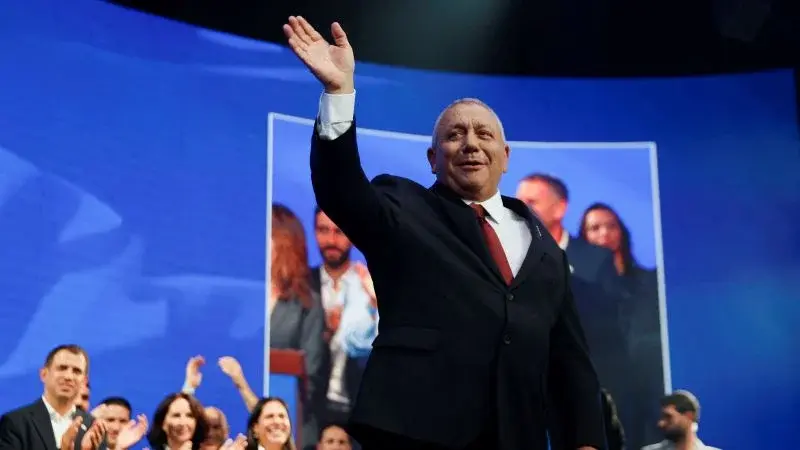
Israeli President Isaac Herzog will officially task Gadi Eisenkot with forming the next government on Sunday, following the October 27 election. Eisenkot secured 67 endorsements, surpassing Benjamin Netanyahu’s 46, but lacks the 61 seats needed for a majority. His path to power is complicated by internal opposition divisions, particularly regarding ultra-Orthodox and Arab party cooperation.
Key points
- Herzog will grant Eisenkot the mandate to form a government on Sunday, giving him 28 days, extendable by 14, to build a coalition.
- Eisenkot’s four-party opposition bloc holds 48 seats, requiring additional support to reach the 61-seat majority threshold.
- United Torah Judaism, a traditional Netanyahu ally, declined to recommend him, citing disputes over ultra-Orthodox military service exemptions.
- Eisenkot proposes a 'national emergency government' based on four principles, including recognizing Hamas as a terrorist organization, which excludes Arab parties from the cabinet.
- Avigdor Liberman opposes minority governments and advocates for a coalition with ultra-Orthodox parties, conflicting with the opposition’s stance on universal military service.
Background
The October 27, 2026, election resulted in a deadlock, with neither Netanyahu nor Eisenkot securing a majority. Prior coverage highlighted four potential paths to government, including a unity government or a repeat election. The Arab parties achieved record turnout, complicating coalition math. Netanyahu has challenged the election results, alleging fraud, while the opposition demands immediate government formation to prevent further instability.
How outlets are covering it
CNN emphasizes the political obstacles and divisions within the opposition, particularly Liberman’s stance on minority governments. Al Jazeera highlights the role of Arab parties and the potential for a minority government with outside support. JTA focuses on the unlikely alliance with ultra-Orthodox parties and the internal conflicts within the opposition bloc. All sources agree that Eisenkot’s path to power is fraught with challenges, but they differ in their emphasis on the viability of different coalition options.
Why it matters
The outcome of this coalition formation will determine the future of Israeli governance and potentially impact regional stability. A successful government could address security concerns and political divisions, while a failure could lead to a repeat election or prolonged instability. The involvement of Arab and ultra-Orthodox parties in the coalition process also has significant implications for domestic and international relations.
What to watch
Eisenkot will begin negotiations on Sunday, with the first test being the swearing-in of the new Knesset on Tuesday. If he fails to form a government within the allotted time, the mandate will pass to Netanyahu. The outcome of these negotiations will determine whether a new government is formed or if a repeat election is called.
- Eisenkot to be tasked with forming next Israeli government CNN
- Israeli president picks Gadi Eisenkot, Netanyahu rival, to form government Reuters
- Israel President to Give Eisenkot a Chance to Form Government Bloomberg.com
- President Herzog faces key choice as Israel struggles to form government Al Jazeera
- Eisenkot moves closer to ousting Netanyahu. Here’s what could come next. Jewish Telegraphic Agency
Want the full story? Read the original reporting
Read on CNN