
Election Commission clarifies internal dispute over voter roll system, promises transparency reforms
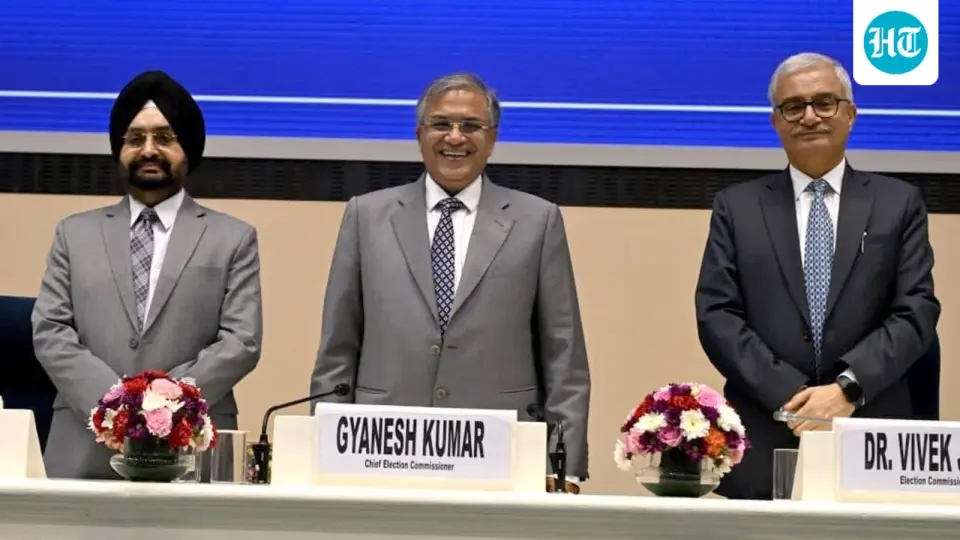
The Election Commission (EC) held a full commission meeting on September 26 to address allegations of internal dissent regarding the Special Intensive Revision (SIR) of voter rolls. The EC clarified that letters sent by Election Commissioners Sukhbir Singh Sandhu and Vivek Joshi to the Cabinet Secretary concerned the functioning of a deputed officer, not policy matters. The body announced that agendas will be circulated in advance, minutes will be issued, and an independent committee will review the ECINet system to ensure compliance with statutory powers.
Key points
- The EC held a full commission meeting on September 26 at Nirvachan Sadan to address reports of dissent between Chief Election Commissioner Gyanesh Kumar and Election Commissioners Sukhbir Singh Sandhu and Vivek Joshi.
- The EC clarified that letters sent by Sandhu and Joshi to Cabinet Secretary T V Somanathan were not about policy but related to the functioning of an officer on deputation to the EC.
- The EC announced that agendas for all meetings will be circulated in advance and minutes will be issued to improve transparency.
- A committee headed by a Senior Deputy Election Commissioner and including an independent expert from an IIT/IIIT will review the ECINet system to ensure compliance with legal provisions.
- The EC extended deadlines for filing claims and objections in Delhi to October 30 and in Maharashtra to October 12, with disposal targets set for November 30 and November 10, respectively.
Background
This dispute follows earlier reports of internal disagreements within the Election Commission regarding the management of electoral rolls and the ECINet platform. The controversy has intensified with opposition parties demanding the ouster of CEC Gyanesh Kumar and greater transparency in the SIR process.
How outlets are covering it
Hindustan Times emphasizes the EC's clarification that the letters to the Cabinet Secretary were not about policy but the functioning of a deputed officer. NDTV highlights the EC's point-by-point clarifications on Form 6, ECINet, and SIR, noting the extension of deadlines in Delhi and Maharashtra. The Economic Times focuses on the EC's commitment to transparency, including the circulation of agendas and issuance of minutes, and the review of ECINet by an independent committee. All sources agree that the EC is attempting to address concerns about internal dissent and ensure the integrity of the voter roll process.
Why it matters
The EC's response to internal dissent and the introduction of transparency measures are crucial for maintaining public trust in the electoral process. The review of ECINet and the extension of SIR deadlines could impact the accuracy and inclusivity of voter rolls, which are essential for fair elections.
What to watch
The EC will implement the new transparency measures, including circulating agendas and issuing minutes. The independent committee will review ECINet and submit a report to the Commission. The extended deadlines for SIR in Delhi and Maharashtra will allow more time for claims and objections to be processed.
- EC says poll commissioners' letters to Cabinet Secretary not over policy matter, but 'related to...' | India News Hindustan Times
- India Poll Body Tweaks Voter Roll Drive Amid Report of Dissent Bloomberg.com
- Gyanesh Kumar, Election Commissioners Meet, Poll Body Issues Clarifications NDTV
- India's election commission orders review of voter-roll changes Reuters
- SIR controversy: EC says agendas will be shared ahead of meetings, minutes to be issued The Economic Times
Want the full story? Read the original reporting
Read on Hindustan Times