
EU Fiscal Report Cards: Bulgaria Faces Fine, Germany and France Under Scrutiny
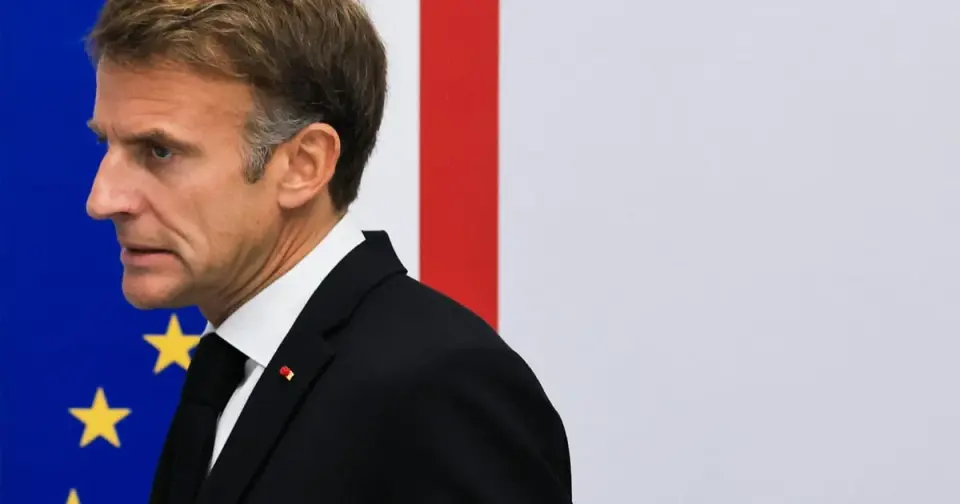
The European Commission issued fiscal report cards to EU member states on November 24, 2026, highlighting widespread budgetary challenges. Bulgaria faces a potential fine of up to €23 million for excessive spending, while Hungary risks losing EU funds. Germany and France received warnings over rising deficits, though no formal procedures were opened. The Commission noted that eurozone deficits are projected to rise to 3.8% by 2028, driven by defense spending and high interest rates, urging stricter fiscal discipline.
Key points
- Bulgaria is the only capital facing a potential cash fine of up to €23 million for failing to rein in spending, with an estimated deficit overshoot of 2.3% of GDP.
- Hungary’s spending overshoot is estimated at 3.1% of GDP, risking the loss of access to certain EU funds, though it cannot be fined as it is not in the eurozone.
- Germany and France received warnings; Germany’s deficit is projected to rise from 4.1% in 2026 to 4.5% in 2028, while France’s budget remains uncertain due to parliamentary struggles.
- The Commission flagged 10 countries, including Belgium and Italy, for breaching fiscal rules, but granted 19 countries extra leeway for defense spending to deter Russian aggression.
- Eurozone deficits are expected to reach 3.5% in 2026 and 3.8% in 2028, exceeding the 3% threshold, driven by rising interest rates and defense costs.
Background
This assessment follows a period of rising bond yields and fiscal stress in France, where political unrest in late 2025 pushed borrowing costs to decade highs. Additionally, global debt crises have intensified borrowing costs for wealthy nations, with France and the US struggling with record debt levels. The current fiscal scrutiny occurs amid broader concerns over the sustainability of public finances in the face of global trade tensions and high energy prices.
How outlets are covering it
POLITICO emphasizes the punitive measures against Bulgaria and Hungary, framing the report as a 'gloomy picture' of EU finances, while noting the resilience of the bloc’s economy. Eunews highlights a shift in fiscal discipline, pointing out that traditional austerity advocates like Germany, Finland, and the Netherlands are now at risk of non-compliance, whereas former Troika countries like Italy and Greece are meeting their commitments. A News focuses on the macroeconomic drivers, citing rising borrowing costs and interest rates as the primary causes for increasing deficits across the eurozone, urging alignment of national policies to boost competitiveness.
Why it matters
The report signals a tightening of fiscal oversight in the EU, with potential financial penalties for member states that fail to adhere to budget rules. Rising deficits and debt levels threaten the stability of the eurozone, particularly as defense spending and interest costs continue to climb. The divergence in fiscal performance between traditional austerity states and former crisis countries may reshape EU economic policy and influence future defense and competitiveness strategies.
What to watch
The Commission will reassess the progress of France, Belgium, and other flagged countries in the spring of 2027. For Bulgaria and Romania, the Commission recommends the Council adopt a decision establishing the 'absence of effective action,' potentially leading to intensified deficit procedures. Member states are expected to adjust their 2027 budgets to align with Council recommendations, particularly regarding defense spending and deficit reduction.
- The good, the bad and the French: EU countries get fiscal report cards POLITICO.eu
- EU warns France and Belgium to put public finances on ‘sustainable path’ Financial Times
- EU Commission says French draft 2027 budget is in line with EU rules Reuters
- Surprisingly, former austerity champions now break the rules, while those once criticised follow them Eunews
- EU Commission warns of high borrowing costs as deficits rise A News
Want the full story? Read the original reporting
Read on POLITICO.eu