
European Far-Right Leaders Pivot Away from Trump After US Midterm Defeat
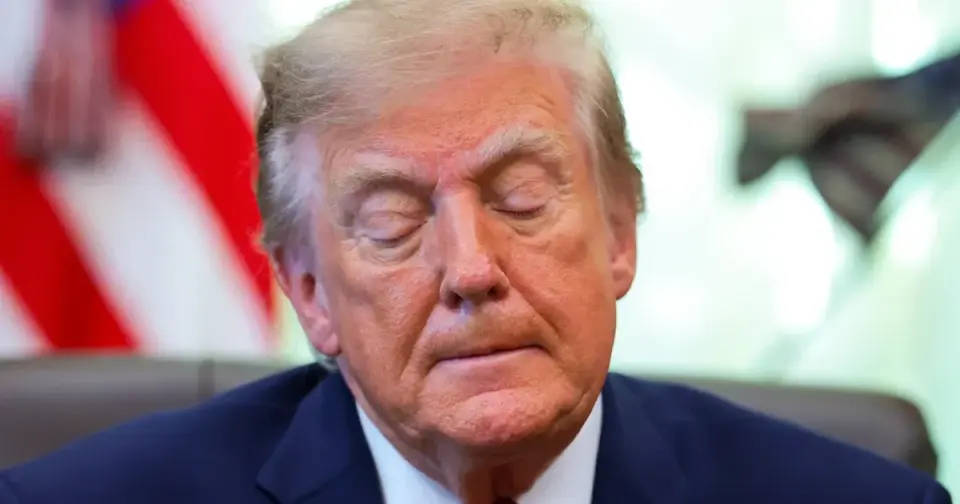
Following the Republican Party’s historic loss in the 2026 US midterm elections, European far-right leaders are rapidly distancing themselves from Donald Trump. While they previously embraced his nationalist ideology, they now blame his interventionist foreign policy, specifically the war with Iran, and rising cost-of-living pressures for his electoral collapse. Analysts note that these leaders are attempting to retain the ideological momentum of Trumpism while avoiding the political liability of his failing popularity, particularly ahead of upcoming elections in France, Spain, and Italy.
Key points
- US midterm elections resulted in a significant defeat for Republicans, prompting European far-right leaders to distance themselves from Donald Trump.
- Leaders such as Jordan Bardella (France), Alice Weidel (Germany), and Matteo Salvini (Italy) blamed the war with Iran and rising living costs for the Republican loss, avoiding direct personal criticism of Trump.
- Analyst Mujtaba Rahman noted that European far-right leaders are trying to benefit from Trump’s ideological appeal while avoiding the economic and political chaos associated with his presidency.
- The cost-of-living crisis is a central theme in upcoming European elections, with far-right parties in France and Spain leveraging economic discontent to challenge incumbents.
- Trump acknowledged the Iran conflict contributed to his party’s losses but maintained his support for the decision, while some allies like Dan Dungaciu downplayed the severity of the defeat.
Background
This shift follows a period of close ties between European far-right parties and the US administration since Trump’s 2024 re-election. Previous coverage highlighted a 'decade-long courtship' by the AfD and other groups, as well as growing tensions over Trump’s foreign policy and trade protectionism. The current distancing is part of a broader trend where European populists are recalibrating their transatlantic relationships to protect domestic electoral prospects amid rising economic anxiety.
How outlets are covering it
Reuters and HuffPost emphasized the strategic nature of the distancing, noting that leaders like Bardella and Weidel blamed the Iran war without directly attacking Trump, aiming to preserve ideological ties while shedding political baggage. The Guardian highlighted the 'toxic liability' aspect, pointing out that European voters detest Trump’s volatility and trade policies, even if they support his nativist agenda. Le Monde focused on the French context, noting Bardella’s earlier distancing from the MAGA movement and the immediate pivot to domestic issues. POLITICO.eu stressed the broader lesson for European incumbents, arguing that the cost-of-living crisis is a universal threat to populists who fail to deliver on promises, benefiting opposition parties like Le Pen’s National Rally in France and Vox in Spain. All sources agree that the cost of living and foreign policy missteps are the primary drivers of the realignment, but they differ on whether this marks a permanent break or a temporary tactical adjustment.
Why it matters
The realignment signals a shift in the global far-right movement, suggesting that ideological alignment with Trump is no longer a guaranteed asset for European populists. As cost-of-living crises intensify across Europe, the failure of Trump’s economic promises may embolden left-wing and centrist parties, while far-right leaders must navigate a delicate balance between maintaining their nationalist brand and avoiding association with a declining US president. This dynamic could influence upcoming elections in France, Spain, and Italy, where economic grievances are central to voter sentiment.
What to watch
European far-right leaders will likely continue to emphasize domestic economic issues, such as housing and energy costs, in their campaigns for upcoming elections. Trump may face increased isolation from his European allies, potentially leading to a withdrawal of political support or a more confrontational stance from MAGA figures. The cost-of-living crisis will remain a dominant theme in European politics, with far-right parties attempting to channel voter anger into electoral gains while incumbents struggle to address economic discontent.
- Trump's European Far-Right Allies Suddenly Have A Problem With Him HuffPost
- Europe’s far right has a Trump problem after Republican US midterms wipeout The Guardian
- European far right distances itself from Trump, blaming Iran war for Republicans' defeat Reuters
- US midterm results unsettle French far right, boost hopes of left ahead of presidential election Le Monde.fr
- What’s bad for Trump is good for Le Pen POLITICO.eu
Want the full story? Read the original reporting
Read on HuffPost