
Faber Halts UK Sales of Sally Rooney’s Books to Avoid Terrorism Law Liability
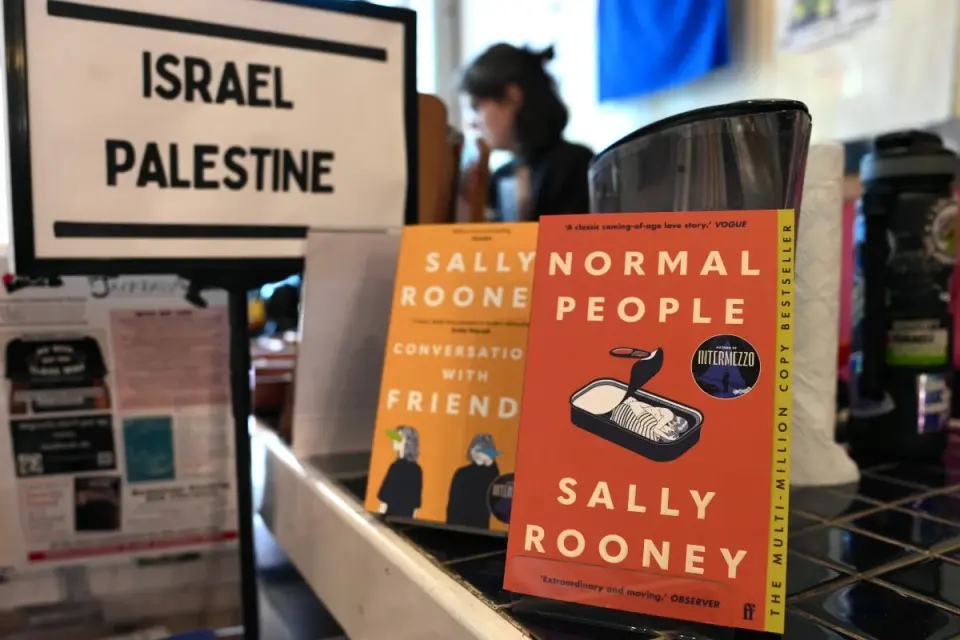
Irish author Sally Rooney and her UK publisher, Faber & Faber, have agreed to stop supplying her books to UK retailers. The decision stems from Rooney’s pledge to donate royalties to Palestine Action, a group designated as a terrorist organization in the UK. Under the Terrorism Act 2000, passing on royalties could constitute funding a proscribed group. While existing stock may remain on shelves, new distribution has ceased. The move coincides with a pending Supreme Court challenge to the group’s ban.
Key points
- Faber & Faber will no longer supply Sally Rooney’s books to UK retailers, effectively halting new sales in the market.
- The decision follows Rooney’s August 2025 pledge to donate royalties from her books and BBC adaptations to Palestine Action.
- UK law classifies providing funds to proscribed groups as a terrorist offense, creating legal liability for the publisher.
- Palestine Action was designated a terrorist organization in July 2025, following a break-in at a Royal Air Force base.
- A Supreme Court hearing to challenge the group’s proscription is scheduled for November 2026.
Background
Sally Rooney is a prominent Irish novelist known for works like 'Normal People' and 'Conversations With Friends.' Her books account for approximately 10% of Faber & Faber’s annual income in years with new releases. The controversy arises from the UK government’s proscription of Palestine Action, a direct-action group established in 2020. The group’s activities have included property damage at Israeli weapons manufacturers. The ban has sparked widespread protests, with over 3,000 arrests and 1,200 charges under the Terrorism Act, though no convictions have yet been secured. Previous court rulings have been split, with the High Court deeming the ban disproportionate in February 2026, while the Court of Appeal upheld it in June 2026.
How outlets are covering it
AP News frames the situation as a legal impasse where the publisher cannot pass on royalties without violating anti-terrorism laws, noting that the group’s lawyers will challenge the ban in the Supreme Court next month. Slate emphasizes the absurdity of the situation, arguing that the decision is a strategic move to highlight the untenability of UK legislation rather than a genuine severing of ties, noting that Rooney’s books remain available in Ireland, the US, and Commonwealth countries. The Guardian focuses on the cultural and political implications, describing Rooney’s stance as a brave stand against overreach that challenges the notion that supporting Palestine is a fringe activity. It highlights the contrast between the severity of the terrorism designation and the non-violent nature of Rooney’s support, noting that no one views her as a threat to the state. All sources agree that the decision is a joint strategy between Rooney and Faber to draw attention to the legal conflict, but they differ in tone: AP is neutral, Slate is critical of the government’s laws, and The Guardian is supportive of Rooney’s actions.
Why it matters
This case highlights the tension between anti-terrorism legislation and artistic freedom in the UK. It raises questions about the proportionality of designating protest groups as terrorist organizations and the impact on cultural figures who support such groups. The Supreme Court ruling in November could set a precedent for how such designations are applied and may influence future government decisions on proscribing groups. The decision also underscores the political pressure on the Labour Party government, which has faced criticism for its handling of pro-Palestinian protests and the scale of arrests under the Terrorism Act.
What to watch
The next major development will be the Supreme Court hearing in November 2026, where Palestine Action’s lawyers will seek to quash the ban. The outcome could determine whether the group is de-designated, potentially allowing Rooney’s books to be sold again in the UK. In the interim, the government is expected to maintain the ban, though it may face increased pressure to reconsider as public opinion shifts. Faber & Faber will likely continue to supply Rooney’s books in other markets, including Ireland and the US, while monitoring the legal situation in the UK.
- UK bookstores scramble as Sally Rooney's novels are withdrawn because she supports Palestine Action AP News
- Sally Rooney Withdraws Her Books From UK Over Her Support of Palestine Action The New York Times
- One of Our Most Celebrated Authors Has Had Her Books Effectively Banned in the U.K. This Is Absurd. Slate
- Sally Rooney’s stand on Palestine is brave and humane The Guardian
- ‘Actions have consequences’: minister weighs in on Sally Rooney row The Times
Want the full story? Read the original reporting
Read on AP News