
Ghana's Reparations Push Faces Global Resistance and Internal Criticism
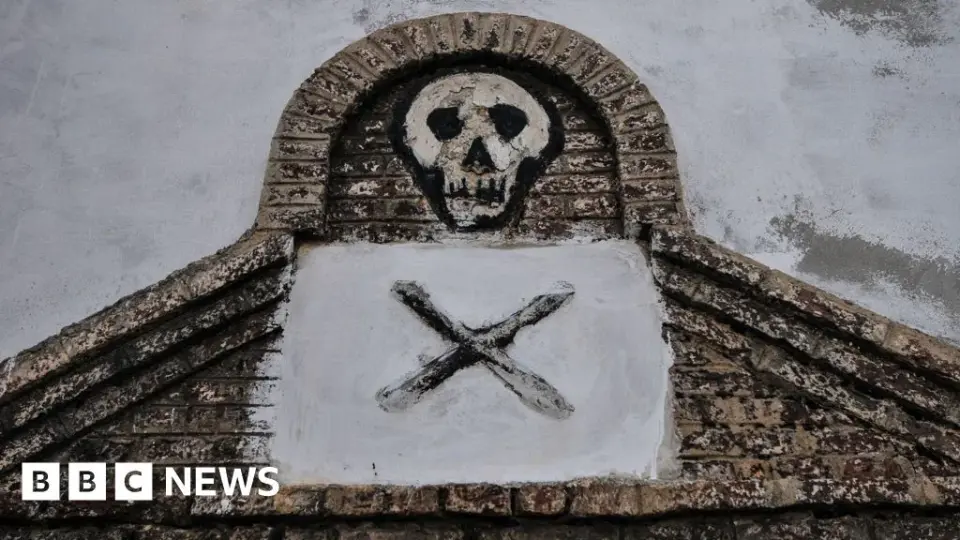
Ghana is leading a global push for slavery reparations, backed by a UN resolution and a recent summit in Accra. However, the campaign faces stiff resistance from Western nations, internal debate over African complicity, and criticism that it distracts from current economic issues.
Key points
- Ghana tabled a UN resolution in March 2026 recognizing slavery as the 'greatest crime against humanity,' which passed with 123 votes but faced abstentions from all European nations and opposition from the US.
- A June 2026 summit in Accra, attended by 80 countries, produced a 19-point framework demanding formal apologies, debt relief, and financial compensation from institutions that benefited from the slave trade.
- The Church of England has established a £100m social impact fund to address the legacy of slavery, following a visit by Archbishop Sarah Mullally to Cape Coast Castle, though the fund faces internal resistance.
- Critics argue that the focus on transatlantic slavery ignores the longer trans-Saharan trade and that African leaders were complicit in the capture and sale of enslaved people, a narrative Ghana's foreign minister rejects as a 'divide and conquer' tactic.
- Some Ghanaian traditional leaders, such as the Ga Mantse, have publicly apologized for their ancestors' involvement in the trade, arguing that acknowledging fault strengthens Africa's moral standing.
Background
This follows earlier international disputes over compensation, such as the stalled negotiations between the US and Iran regarding the Strait of Hormuz, where both sides demanded damages for historical grievances. The current reparations debate builds on decades of African advocacy, including efforts by Nigerian businessman M.K.O. Abiola in the 1990s, and Ghana's long-standing role as a symbol of Pan-African independence since 1957.
How outlets are covering it
BBC highlights Ghana's moral leadership and the emotional impact of the Church of England's apology, while Commentary Magazine argues the reparations campaign is 'morally dubious' and ignores African agency in the slave trade. Modern Ghana criticizes the lack of public awareness in Europe and warns that reparations could become a burden on taxpayers without proper democratic consent. The sources disagree on the validity of African complicity: BBC and Ghanaian officials reject it as a deflection tactic, while Commentary Magazine and some traditional leaders acknowledge it as a necessary part of healing.
Why it matters
The outcome of this debate could reshape international relations, potentially leading to significant financial transfers or diplomatic rifts between African and Western nations. It also tests the limits of historical accountability in global politics, with implications for how other historical injustices are addressed.
What to watch
The African Union is expected to finalize a specific financial demand based on the Accra framework. Western governments will likely resist direct compensation, potentially leading to further diplomatic tensions. The Church of England's £100m fund may face scrutiny over its effectiveness and internal opposition.
- 'Ghana was the crime scene' - the country leading the demand for slavery reparations BBC
- UN Field Offices 2026 Welcome to the United Nations
- A Dubious Quest for ‘Reparatory Justice’ commentary.org
- Global Eye on BBC Two Wales: full details and when it's on TVGuide.co.uk
- Transatlantic Slave Trade: When justice is not right Modern Ghana
Want the full story? Read the original reporting
Read on BBC