Iran says its peace proposal would require compensation for war damage and the withdrawal of U.S. troops as core elements of a durable settlement, framing these conditions as essential to ending the conflict amid ongoing diplomacy.
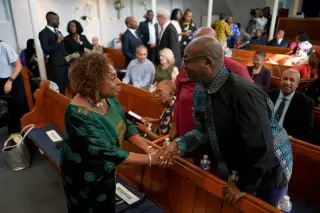
An 86-year-old French descendant, Pierre Guillon de Prince, issued what is believed to be France's first formal family apology for his ancestors' role in transatlantic slavery, noting Nantes shipowners transported about 4,500 enslaved Africans and owned Caribbean plantations. He urged other families to confront their past and called for reparations beyond symbolic gestures, delivering the message at a Nantes gathering alongside a descendant of enslaved people as part of an effort to break the silence on slavery and its legacies.
The United States, joined by Israel and Argentina, voted against a Ghana-led UN resolution that declares the transatlantic slave trade the gravest crime against humanity and urges reparations. The nonbinding measure, backed by over 120 nations, ties slavery to ongoing racism and inequality and calls for apologies and compensation. Washington argued there is no legal right to reparations for historical wrongs, highlighting rifts with the Global South and fueling ongoing domestic debates on reparations despite continued advocacy at city and state levels.
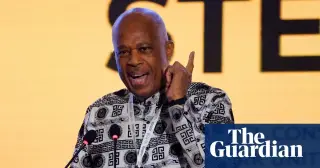
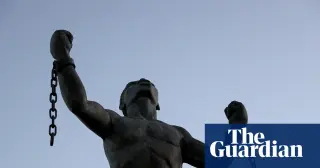
The U.N. General Assembly adopted a resolution declaring the trafficking of enslaved Africans the gravest crime against humanity and urging reparations and restitution of cultural items; the 123-3 vote included opposition from the United States, Argentina and Israel, with the UK and EU abstaining. The measure is non-binding but signals broad international support for addressing historic injustices and reparatory justice.
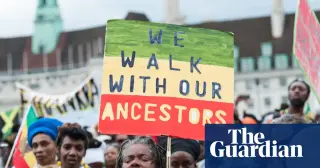
A Ghana-led UN General Assembly resolution calling for reparations for slavery passed with 123 votes in favor, three against (Argentina, Israel, United States) and 52 abstentions. It labels the transatlantic slave trade as a gravest crime against humanity and urges concrete steps toward justice, healing, and addressing enduring racism; the United States questioned the legal basis for reparations. UN and African-led efforts, including the Second International Decade for People of African Descent and the African Union’s Decade of Reparations, were highlighted as frameworks to push for action and systemic change.
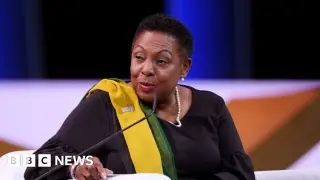
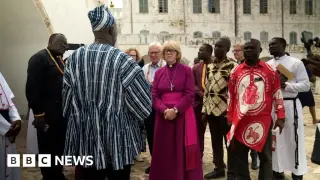
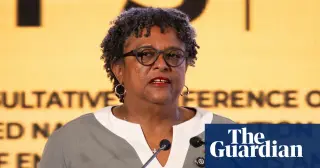
The UN General Assembly adopted Ghana’s resolution to label the transatlantic slave trade as the gravest crime against humanity, urging member states to apologise and support a reparations fund (no amount specified). The vote was 123 in favour, 3 against (USA, Israel, Argentina) with 52 abstentions including the UK and EU members. The measure ties slavery to enduring racial inequalities and backs returning looted artefacts, as reparations dialogue gains momentum among African and Commonwealth leaders.
The Trump administration is pressuring other countries to urge Vanuatu to withdraw a U.N. General Assembly draft that would translate an ICJ climate ruling into action, including reparations for damages. It argues the proposal could harm U.S. industry and calls the UN overreaching, while some major powers reportedly share concerns; the draft would push for a 1.5°C target, phasing out fossil-fuel subsidies, and establishing an International Register of Damage, though General Assembly resolutions are not legally binding.
A Nigerian High Court in Enugu has ordered the British government to pay about £420 million in reparations to the families of 21 coal miners killed in 1949 at the Iva Valley mine during a protest over harsh working conditions. The court ruled the killings unlawful and an extrajudicial violation of the right to life, a landmark decision in accountability for colonial-era abuses. The UK said it had not been formally notified and had no representation in the proceedings, while activists have pursued decades-long demands for acknowledgment and reparations.
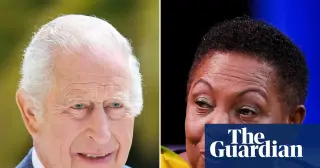
MPs, experts, and campaigners are pressing King Charles to issue a formal crown apology for transatlantic slavery, arguing that symbolic sorrow isn’t enough and urging reparative action in light of a new book detailing royal involvement and with pressure mounting ahead of Commonwealth discussions.
San Francisco Mayor Daniel Lurie signed a measure to create a reparations fund for Black residents harmed by past city laws, relying on private funding as the city faces a nearly $1 billion deficit and cannot allocate public funds for the initiative.
Algeria's National Assembly voted to declare France's colonization a crime, demanding restitution and redress for colonial-era injustices, in a move that France criticizes as hostile, reflecting ongoing tensions over historical grievances.
Algeria's parliament voted to declare France's colonization a crime, demanding restitution and reparations for colonial-era wrongs, in a move that France criticizes as hostile, amid ongoing tensions over historical grievances.
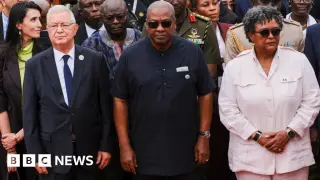
Algeria's parliament unanimously approved a law declaring France's colonization a crime, demanding an apology and reparations, amid strained diplomatic relations and historical disputes over colonial atrocities and restitution of artifacts.
Algeria's parliament unanimously approved a law declaring France's colonisation of Algeria a 'state crime,' demanding an apology and reparations, marking a significant political and symbolic move amid ongoing diplomatic tensions.
Maryland lawmakers successfully overridden Governor Wes Moore's veto to establish a 23-member Reparations Commission aimed at examining historical policies from 1877 to 1965 and recommending reparations, marking a significant step in addressing racial injustices in the state.