
Healey’s 2026 Budget Prioritizes Incremental Relief Over Structural Reform
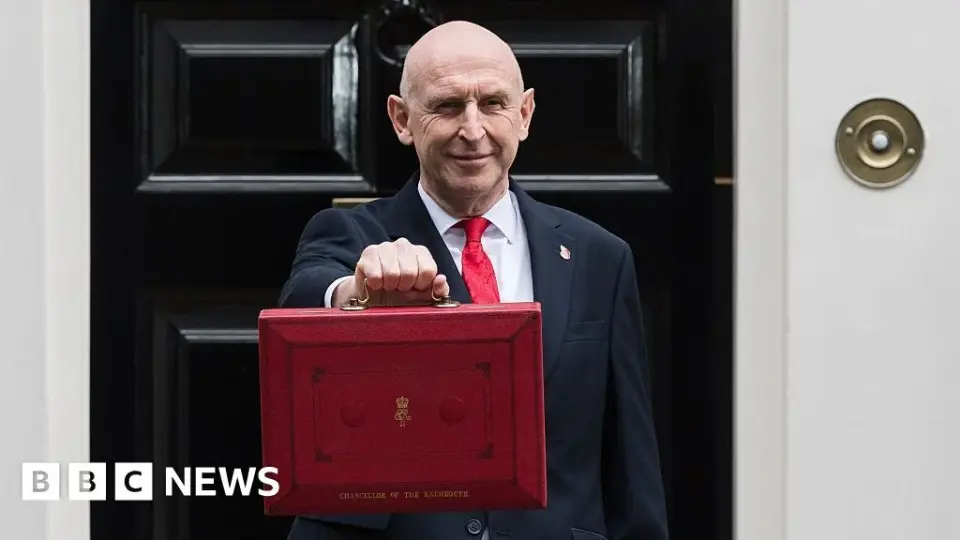
Chancellor John Healey delivered a cautious 2026 Budget focused on minor cost-of-living measures rather than major structural reforms. Key actions include a £100 energy payment for households in council tax bands A to D, a 6% bank surcharge, and increased taxes on savings and property income. The plan avoids raising income tax or VAT, instead targeting banks, landlords, and gamblers to fund relief. While the government frames this as providing 'breathing space,' critics argue it lacks the ambition needed to address deep fiscal challenges, with significant decisions deferred to future spending reviews.
Key points
- The Budget contains 98 measures, most of which are small in scale, contrasting with the larger fiscal shifts in previous years.
- A £100 energy payment will be issued to 20 million households in council tax bands A to D, costing £2.6 billion.
- Standing charges on gas bills for 23 million homes are being abolished, saving an average of £45 per year for two-thirds of households.
- Bank surcharges rise from 3% to 6% for 15 months starting in January, while taxes on savings and property income increase by two percentage points from April 2027.
- Fuel duty remains frozen for the 16th consecutive year, and import tariffs are removed for over 100 products, including chocolate and baked beans.
- The Office for Budget Responsibility forecasts GDP growth of 1.2% this year, with government borrowing at 4.2% of GDP, though it notes significant uncertainty due to global conflicts.
Background
This Budget follows a period of fiscal discipline under predecessor Rachel Reeves, who implemented larger tax changes, including adjustments to inheritance tax that faced public backlash. The current administration, led by Prime Minister Andy Burnham, has emphasized a 'politics of trying' approach, focusing on immediate, visible relief for voters rather than sweeping ideological shifts. Previous concerns about high national debt and inflation remain central, with the OBR describing the UK’s economic position as 'very challenging.' The archive notes broader global economic pressures, such as supply shocks affecting consumer goods, which align with the current focus on reducing household costs through targeted measures rather than broad tax hikes.
How outlets are covering it
BBC political editor Chris Mason described the Budget as a 'flotilla of small measures,' noting that while it avoids major tax hikes on wages or VAT, it targets specific sectors like banks and landlords, which may provoke sector-specific backlash. He highlighted the constraint on the chancellor’s ability to make a noticeable positive difference, suggesting the measures mitigate bad outcomes rather than improve them significantly. The Guardian’s Peter Walker emphasized the political balancing act, noting the inclusion of the Jackdaw gas field approval alongside net zero commitments, and praised the removal of standing charges as a key cost-of-living win. However, he pointed out that most policies were pre-trailed, leaving little surprise. The Financial Times characterized the Budget as that of a 'thwarted government,' arguing it lacks the ambition to address structural economic issues and instead relies on 'down payments' to maintain voter support. The FT noted that while the political strategy of targeting unpopular groups for revenue is effective, the economic strategy remains unclear, with major decisions deferred to future reviews. Opposition parties criticized the Budget as 'thin,' while the government countered that it is part of a broader, emerging plan including youth employment and EU relations.
Why it matters
The 2026 Budget sets the tone for the UK’s fiscal trajectory in a period of economic uncertainty, balancing immediate cost-of-living relief with long-term fiscal sustainability. By avoiding major tax hikes on wages and VAT, the government aims to maintain public support, but the reliance on targeted taxes and deferred decisions raises questions about the effectiveness of the strategy in addressing deep-seated economic challenges. The outcome will influence voter confidence, market stability, and the timing of potential early elections, as the government navigates between political expediency and economic necessity.
What to watch
The government will proceed with a spending review next spring, where major decisions on defence funding and welfare reforms are expected. A 10-year plan is also anticipated before the end of the year, potentially outlining the UK’s long-term relationship with the EU. The OBR will monitor economic performance against its forecasts, with particular attention to the impact of the Iran conflict and US midterm elections on global stability. The government will also implement the new fiscal devolution roadmap, with 20% of business rates revenues going to mayors from next year, and further income tax shares to be determined. Public reaction to the energy payments and bank surcharges will be closely watched, as will the effectiveness of the measures in reducing household costs and maintaining voter support.
- Chris Mason: Budget felt cautious despite its range of small measures BBC
- Budget 2026: key points at a glance The Guardian
- U.K.’s Budget Ducks Hard Choices Amid Market Concerns Over Debt WSJ
- UK Treasury offers $130 one-off payment to 20 million households and energy bills relief in face of Iran war shock Fortune
- The thwarted Budget of a thwarted government Financial Times
Want the full story? Read the original reporting
Read on BBC