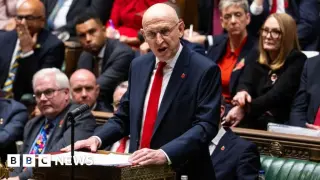
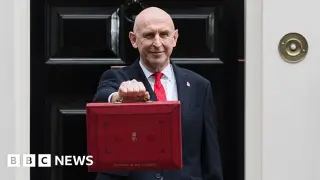
Chancellor John Healey announced a £100 energy payment for households in council tax bands A to D, funded by doubling the bank profits tax to 6%. The Budget includes scrapping gas standing charges and raising the minimum wage, but defers major welfare and defence decisions to 2027.
Chancellor John Healey delivered a cautious 2026 Budget focused on minor cost-of-living measures rather than major structural reforms. Key actions include a £100 energy payment for households in council tax bands A to D, a 6% bank surcharge, and increased taxes on savings and property income. The plan avoids raising income tax or VAT, instead targeting banks, landlords, and gamblers to fund relief. While the government frames this as providing 'breathing space,' critics argue it lacks the ambition needed to address deep fiscal challenges, with significant decisions deferred to future spending reviews.
Chancellor John Healey must restore fiscal headroom, estimated at £11bn, without raising income tax, VAT, or National Insurance. Options include taxing banks, increasing gambling machine levies, enforcing online VAT, and cutting welfare. Bond investors urge a 'disciplined' approach to maintain market confidence amid rising borrowing costs.
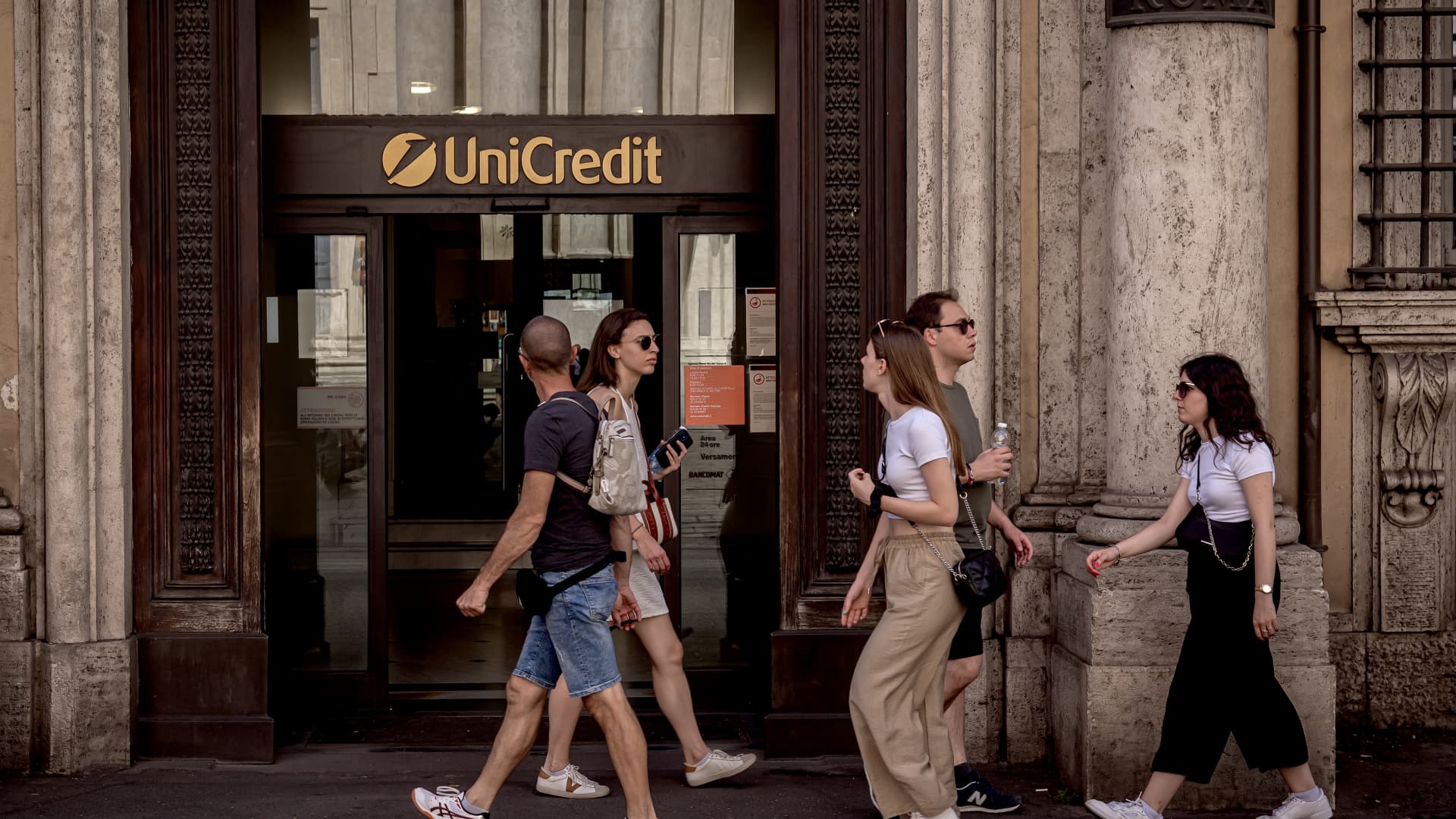
Italy's new tax on banks, which initially caused a significant drop in European bank shares, continues to face criticism and controversy. The government is now scrambling to update the tax, acknowledging that it needs improvement. Critics argue that the tax could deter international investors and harm long-term investments in Italy. However, some politicians believe that banks should contribute to the country's economic recovery, while others emphasize the need to differentiate between large and small lenders. The measure has also received negative feedback from Intesa Sanpaolo, one of Italy's largest banks, which believes that the communication surrounding the tax has been inadequate.
Italian Prime Minister Giorgia Meloni takes "full responsibility" for the decision to impose a one-off bank tax, which has damaged her government's credibility with financial markets. Meloni defends the tax, stating that it was the right thing to do and had no punitive intent. The tax targets banks' profits from higher rates, but the government's muddled communication and backtracking on the tax have caused concern among international investors. Meloni also addresses a potential alliance with France's Marie Le Pen, stating that it is too early to discuss such moves.