
Hegseth’s Purge of Modernizers Leaves Army Stuck in the Past
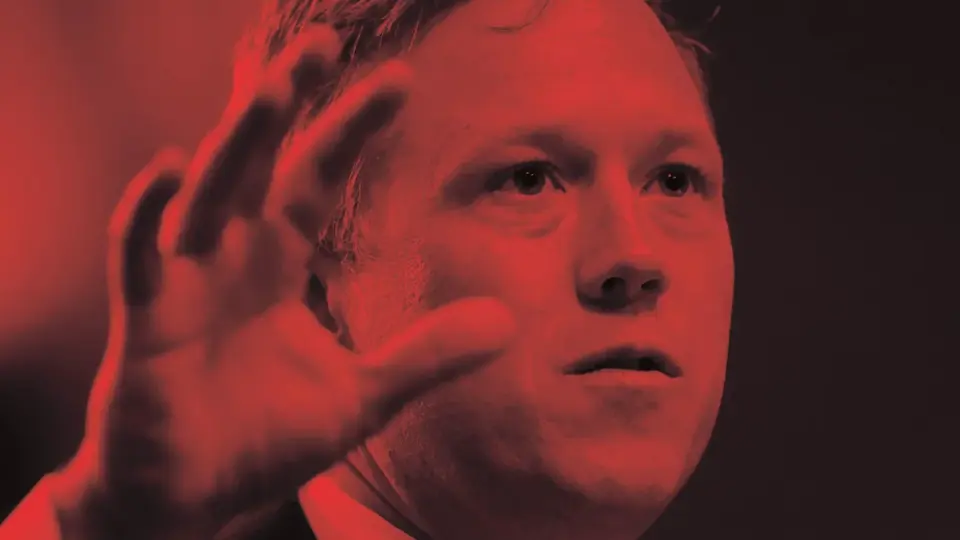
Former Army Secretary Dan Driscoll resigned in August 2026 after Defense Secretary Pete Hegseth removed key leaders driving military modernization. Driscoll had pushed for rapid procurement, AI integration, and counter-drone capabilities, but Hegseth prioritized grooming standards and cultural compliance. The clash left the Army rolling back innovations like the Unmanned Assault Battalion, raising concerns about readiness for future conflicts.
Key points
- Dan Driscoll, the youngest Army Secretary in history, resigned in August 2026 after clashing with Pete Hegseth over modernization priorities.
- Hegseth forced out Gen. Randy George and Gen. Christopher Donahue, key figures in the Army Transformation Initiative and Eastern Flank Deterrence Initiative.
- Driscoll’s initiatives included an 'Amazon for war' marketplace, counter-drone systems, and the Unmanned Assault Battalion, all of which faced rollback after his departure.
- Hegseth focused on physical fitness, grooming standards, and cultural messaging, which critics argue ignored the realities of modern drone warfare.
- The Pentagon’s leadership shake-up removed roughly 10% of top-ranking officers, including the Joint Chiefs chairman and NSA director.
Background
Driscoll’s departure followed a broader pattern of Pentagon leadership changes under Hegseth, as noted in earlier coverage. His resignation highlighted tensions between traditional military culture and modernization efforts, with the White House backing Hegseth’s approach. The Iran war exposed gaps in U.S. readiness, particularly in countering cheap drones, which Driscoll had warned about before leaving.
Why it matters
The conflict between Hegseth and Driscoll reveals a deeper struggle over the U.S. military’s future. While Hegseth emphasized cultural and physical standards, Driscoll focused on technological adaptation to emerging threats. The rollback of modernization efforts risks leaving the Army unprepared for future conflicts, particularly in drone-dominated battlefields. This leadership vacuum could impact long-term strategic planning and readiness.
What to watch
The Pentagon is expected to continue rolling back Driscoll’s initiatives, including the Unmanned Assault Battalion. Hegseth’s plan to cut 20% of senior officer positions by January 2027 may further reshape the military’s leadership. The future of counter-drone and AI programs remains uncertain as new appointments are confirmed.
Want the full story? Read the original reporting
Read on rollingstone.com