
Iceland’s EU Referendum Hinges on Arctic Security and Fisheries
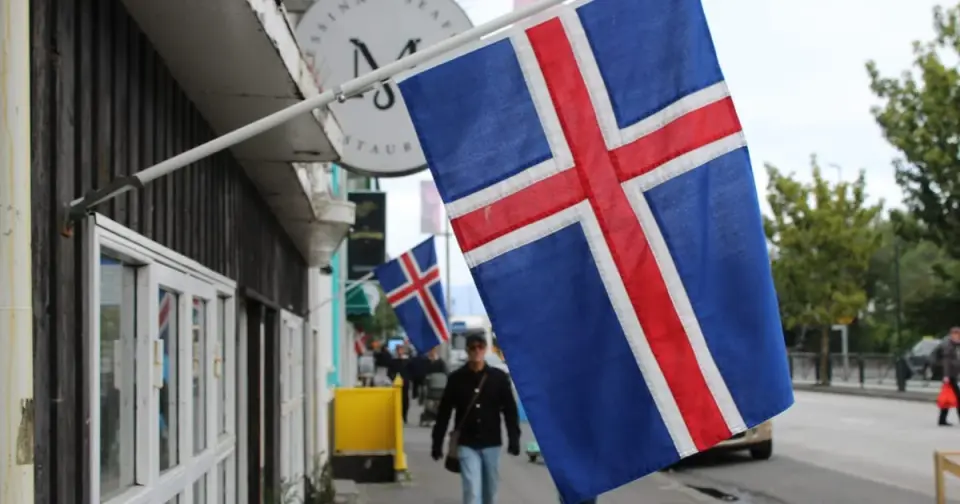
Icelanders vote on Saturday to decide whether to resume EU membership talks, a decision shaped by fears of U.S. aggression toward Greenland and domestic disputes over fishing rights. While pro-EU campaigners argue that joining the bloc strengthens sovereignty against American and Russian threats, opponents warn that EU rules would undermine national control over fisheries and farming. Polls show a razor-thin margin, with economic concerns like inflation and agricultural subsidies competing with geopolitical anxieties in a vote that could reshape the North Atlantic’s political landscape.
Key points
- Iceland holds a referendum on Saturday to decide if it should resume negotiations for full EU membership, a process previously halted in 2015 due to disagreements over fisheries quotas.
- Pro-EU supporters, including former mayor Dagur Eggertsson, argue that U.S. President Donald Trump’s threats to annex Greenland and rising Russian and Chinese influence in the Arctic make closer ties with Europe essential for national security.
- Opponents, such as Independence Party MP Guðlaugur Þór Þórðarson, contend that Iceland’s current status in the European Economic Area and its NATO alliance are sufficient, warning that EU membership would compromise sovereignty over critical sectors like fishing and farming.
- Polls indicate a near-tie, with a mid-August Gallup survey showing 51.5% support for 'Yes' and a July Maskína poll showing 53% for 'Yes', suggesting that voter turnout and undecided voters will be decisive.
- A 'Yes' vote would not immediately join the EU but would start formal accession talks, potentially concluding within one to two years, while a 'No' vote could silence the debate for decades and stall the EU’s enlargement momentum.
Background
Iceland previously applied for EU membership in 2009 following a financial crisis but suspended talks in 2013 when a Eurosceptic coalition took power. The current referendum was mandated by a pro-EU coalition government that took office in 2024, which committed to holding the vote before 2027. This follows a period of shifting geopolitical dynamics, including U.S. pressure on Greenland and increased Arctic competition, which have intensified debates about Iceland’s strategic alliances.
How outlets are covering it
POLITICO emphasizes the geopolitical dimension, highlighting how Trump’s threats to Greenland and Arctic tensions have energized the pro-EU campaign by framing EU membership as a security necessity. In contrast, Euronews focuses on the domestic economic stakes, noting that while security is a factor, the debate remains heavily influenced by traditional issues like fisheries quotas and farming subsidies. Both outlets agree that the vote is extremely close, but POLITICO stresses the role of sovereignty as a double-edged sword, while Euronews points out that a 'No' vote would be a significant setback for the EU’s broader enlargement strategy in the North Atlantic.
Why it matters
The outcome will determine whether Iceland moves toward full EU integration, potentially reshaping the political balance in the North Atlantic and Arctic regions. A 'Yes' vote could provide the EU with a strategic foothold in the Arctic and bolster its enlargement agenda, while a 'No' vote would signal that wealthier Nordic nations may not see the EU as a viable option, potentially weakening Brussels’ influence in the region. The decision also reflects broader global trends where small nations are reassessing their alliances in response to great power competition.
What to watch
If 'Yes' wins, Iceland will begin formal accession talks with the EU, with Brussels expecting to conclude the process within one to two years, though fisheries remain a major sticking point. If 'No' wins, the debate over EU membership is likely to be shelved for years or decades, and the ruling pro-EU coalition will face a significant political defeat. In either case, Iceland will continue to navigate its relationship with the U.S. and NATO while managing its existing ties through the European Economic Area.
- Trump’s Arctic saber-rattling boosts Iceland’s pro-EU campaign politico.eu
- Iceland's reckoning moment: What the referendum means for the EU Euronews.com
- Fish, ships and sovereignty: Iceland weighs its European future Reuters
- Iceland EU Vote Bluefield Daily Telegraph
- Is Trump driving Iceland into the arms of Europe? The Times
Want the full story? Read the original reporting
Read on politico.eu