
Iceland’s EU referendum rejection forces Brussels to rethink northern strategy
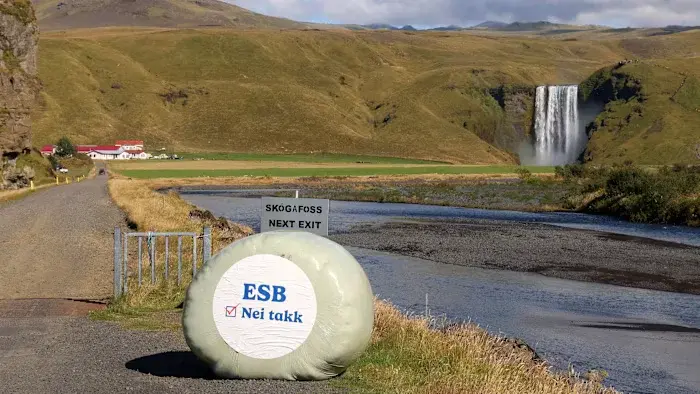
Icelanders rejected reopening EU accession talks by a narrow 52.8% to 47.2% margin, marking a significant setback for Brussels. While EU officials downplay the impact on other candidate nations, the result highlights structural flaws in the European Economic Area and raises questions about the bloc's appeal to wealthy northern neighbors.
Key points
- Icelandic voters rejected the government's proposal to resume EU accession negotiations, which had been frozen since 2013, with 52.8% voting against and 47.2% in favor.
- EU Enlargement Commissioner Marta Kos stated the result does not indicate a decline in the EU's attractiveness, citing progress with Montenegro, Albania, Moldova, and Ukraine.
- Iceland's Prime Minister Kristrun Frostadottir concluded that the country is satisfied with its current status in the European Economic Area (EEA), which allows single market access without full political integration.
- The European Commission is preparing a proposal to reform the EU and integrate candidate countries, expected to be published at the end of October and discussed at a summit on October 15-16.
- Five founding EU members are proposing safeguards to prevent democratic backsliding in new member states, a measure Montenegro supports if based on objective criteria.
Background
Iceland previously negotiated EU membership starting in 2010, when support was only 19%. Talks were suspended in 2013. The country, along with Norway and Liechtenstein, participates in the EU single market through the EEA, which requires EFTA membership. The EU has no direct Arctic territory, making northern membership strategically significant for security and climate policy.
How outlets are covering it
The Financial Times argues the vote exposes EU complacency, suggesting the EEA is an inadequate model for deep integration and that the bloc must rethink its relationship with northern neighbors. Euronews reports that EU officials are downplaying the result, emphasizing continued momentum in southeastern enlargement and arguing Iceland's decision was driven by specific domestic issues like fishing. The European Council on Foreign Relations notes the vote was not a victory for the far-right but highlights domestic concerns regarding currency and fishing, warning that the heated campaign signals political instability.
Why it matters
The rejection challenges the EU's ability to attract wealthy, stable northern nations, potentially limiting its influence in the Arctic. It also forces a debate on whether the EEA is a sustainable model or a temporary arrangement that needs structural reform to address geopolitical and security concerns.
What to watch
The European Commission will publish a proposal on EU reform and candidate integration by the end of October. This will be discussed at the EU leaders' summit on October 15-16. The EU will also debate safeguards against democratic backsliding, while Iceland remains in the EEA without renewed accession talks.
- Iceland’s ‘no’ exposes EU complacency ft.com
- EU tries to turn the page on enlargement after Iceland's referendum Euronews
- A no to the EU, not to Europe: What Icelanders actually voted on European Council on Foreign Relations
- Editors' Choice: Iceland melts EU's enlargement credibility euractiv.com
- Has the EU lost its allure? Arab News
Want the full story? Read the original reporting
Read on ft.com