
India’s Youth Protests Escalate as CJP Demands Election Chief’s Resignation Amid Voter Roll Dispute
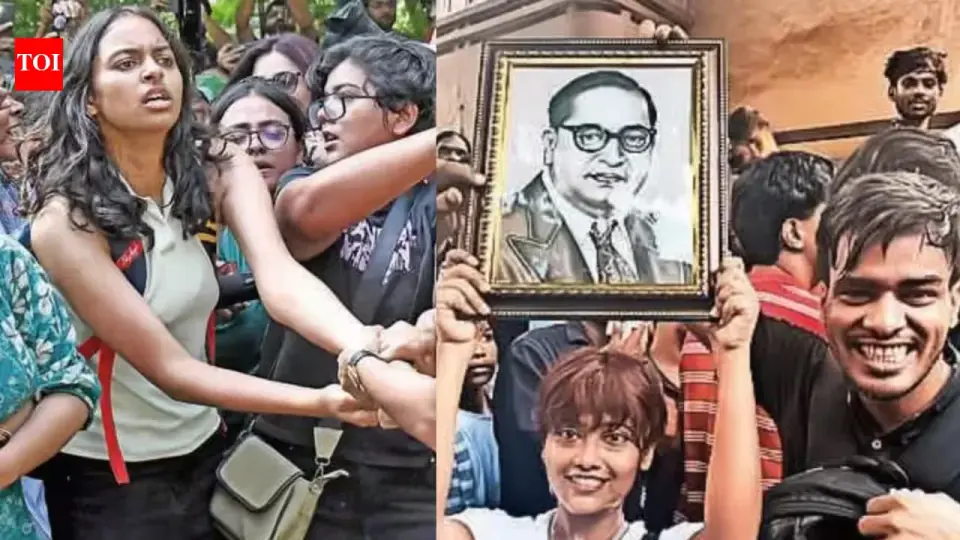
Thousands of youth and opposition leaders protested in Delhi and Mumbai on October 2-3, 2026, demanding the resignation of Chief Election Commissioner Gyanesh Kumar. The protests, led by the Gen Z Cockroach Janta Party (CJP), stem from a Special Intensive Revision (SIR) of electoral rolls that deleted 47 lakh names and sent notices to 33 lakh others. While Mumbai’s gathering at Shivaji Park drew nearly 10,000 people peacefully, Delhi saw heavy police crackdowns, detentions of opposition leaders, and metro closures. The CJP has announced a larger rally for October 10 if Kumar does not resign.
Key points
- In Mumbai, nearly 10,000 people gathered at Shivaji Park for a CJP-led protest demanding CEC Gyanesh Kumar’s resignation, despite police denying permission. The event was largely peaceful, with protesters praising Mumbai Police for their management.
- In Delhi, police deployed internet jammers, closed 12 metro stations, and imposed Section 163 of the BNSS to prevent gatherings at Jantar Mantar. Despite this, protesters breached barricades, and several were detained, including AISA president Neha Bora, who was detained twice.
- Senior opposition leaders, including CPM’s Brinda Karat and AAP’s Atishi, were detained in Delhi. The CJP warned that a failure to meet their demands would lead to a nationwide mobilization, with a 'Jantar Mantar 2.0' rally planned for October 10.
- The protests are driven by allegations that the SIR of electoral rolls disenfranchised millions of eligible voters, benefiting Prime Minister Narendra Modi’s BJP. The Election Commission denies this, stating the exercise removed duplicate, deceased, or ineligible entries.
- Opposition parties, including the Indian National Congress, plan to launch a march to the Election Commission office on Tuesday to demand Kumar’s resignation, signaling a broader political challenge to the government.
Background
The CJP movement, which began as online satire, has grown into a significant street movement, drawing thousands of participants. In July 2026, similar youth-led protests forced the resignation of India’s education minister following a question paper leak, marking a major political crisis for Prime Minister Modi’s third term. The current protests are part of a series of youth-led challenges to the government, with Amnesty International reporting that authorities used lethal weapons to suppress crowds in previous demonstrations.
How outlets are covering it
The Times of India and Al Jazeera emphasize the heavy police crackdown in Delhi, including detentions and metro closures, while highlighting the peaceful nature of the Mumbai protest. U.S. News & World Report focuses on the opposition leaders’ involvement and the broader political implications, noting that the protests are part of a series of youth-led challenges to Modi’s government. All sources agree on the core demand for CEC Gyanesh Kumar’s resignation but differ in their emphasis on the police response and the potential for nationwide mobilization.
Why it matters
The protests highlight growing tensions between the Indian government and its youth, with the CJP and opposition parties challenging the integrity of the electoral process. The potential for a larger rally on October 10 could escalate the situation, with implications for India’s democratic institutions and the ruling BJP’s political standing.
What to watch
The CJP has announced a 'Jantar Mantar 2.0' rally for October 10 if CEC Gyanesh Kumar does not resign. Opposition parties plan to march to the Election Commission office on Tuesday, signaling a broader political challenge. The government’s response to these protests will be crucial in determining the future of the CJP movement and the political landscape in India.
- Mumbai vs Delhi: 10,000 attend CJP stir at Shivaji Park, protesters detained at Jantar Mantar; how events unfolded 1,000 km apart The Times of India
- India Faces Fresh Protests, This Time Over Voter Rolls The New York Times
- Protests Demanding Indian Election Chief Resigns Escalate U.S. News & World Report
- India news: Police order probe amid sexual harassment allegations against officers at Delhi protest dw.com
- Indian authorities clamp down as ‘cockroach’ movement launches new protests Al Jazeera
Want the full story? Read the original reporting
Read on The Times of India