
Israel Certifies Election Results Despite Netanyahu's Fraud Claims and Internal Security Disputes
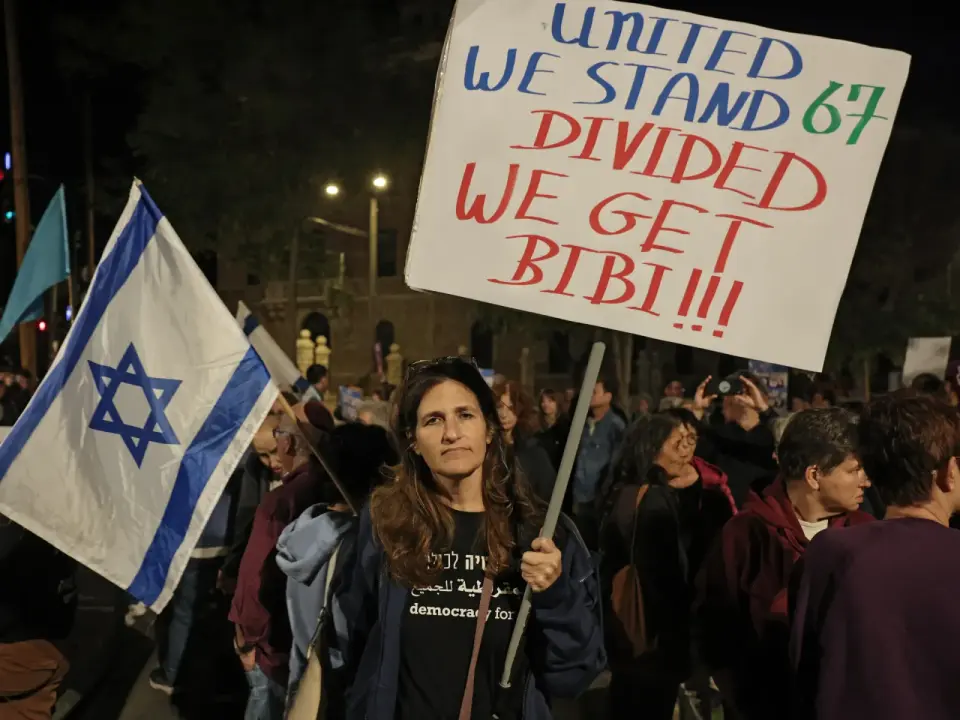
Israeli authorities have confirmed that the October 27 general election results will stand, rejecting Prime Minister Benjamin Netanyahu's claims that the vote was stolen. Netanyahu’s Likud party alleged that Arab-led parties, which won a record 19 seats, received illegal funding from Qatar to influence the outcome. However, the Central Elections Committee, the Attorney General, and the Shin Bet head stated that even if foreign interference is proven, it does not undermine the overall integrity of the vote. The election resulted in a deadlock, with Netanyahu’s bloc winning 53 seats and the opposition bloc led by Gadi Eisenkot winning 48. Neither side has the 61 seats required to form a government alone, making the 19 Arab-led seats crucial for coalition formation. While the opposition bloc could theoretically reach a majority with Arab support, many Jewish-led parties have historically refused to cooperate with Arab parties. The investigation into alleged foreign funding continues in parallel with the official certification process, which is scheduled for Wednesday, after which President Isaac Herzog will begin consultations to form a new government.
Key points
- Central Elections Committee head Noam Sohlberg, Shin Bet head David Zini, and Attorney General Gali Baharav-Miara jointly stated that the election results will stand even if suspicions of foreign interference are substantiated.
- Netanyahu’s Likud party claimed the election was stolen by Arab-led parties, alleging they received funding from Qatar, a claim Qatar has categorically denied as a disinformation campaign.
- The election resulted in a deadlock: Netanyahu’s bloc won 53 seats, the opposition bloc led by Gadi Eisenkot won 48, and Arab-led parties won a record 19 seats.
- The opposition bloc would need support from Arab parties to reach the 61-seat majority required to form a government, but many Jewish-led parties have historically opposed such coalitions.
- The Shin Bet is divided over the scope of the investigation into alleged foreign interference, with head David Zini seeking to expand investigative tools while senior officials question the strength of the evidence and legal feasibility.
- Official results are due to be certified this week, after which President Isaac Herzog will nominate a candidate to form a new government.
Background
This follows the October 27 general election, where Netanyahu’s bloc lost its majority, falling from 68 to 53 seats. Arab-led parties achieved their highest turnout and seat count in history, winning 19 seats. Netanyahu has previously faced international criticism, including from former US President Barack Obama, regarding his stance on Palestinian land, which may have influenced voter sentiment. The current deadlock mirrors previous Israeli elections where coalition negotiations were complicated by the refusal of major Jewish-led parties to cooperate with Arab parties, despite the mathematical necessity of such alliances to form a government.
How outlets are covering it
Al Jazeera emphasizes the official stance that the election results stand regardless of the outcome of the foreign interference investigation, highlighting the joint statement by top security and legal officials. The Jerusalem Post focuses on internal divisions within the Shin Bet, reporting that head David Zini clashed with senior officials over the scope and methods of the investigation, with some questioning the strength of evidence linking Qatar to the alleged funding. CBS News highlights the political implications for coalition formation, noting that while the opposition bloc could theoretically form a government with Arab support, many Jewish-led parties have historically refused to cooperate with Arab parties, creating a significant political hurdle. CBS also notes that Netanyahu, who remains caretaker prime minister, could use the fraud claims to delay the certification of results and the formation of a new government.
Why it matters
The outcome of the 2026 Israeli election and the subsequent coalition negotiations will determine the future direction of Israeli domestic and foreign policy. The deadlock and the controversy over alleged foreign interference could lead to a second election if a government cannot be formed, prolonging political instability. The potential for a coalition involving Arab parties, which has been historically resisted by major Jewish-led parties, could mark a significant shift in Israeli politics. Additionally, the investigation into foreign interference, if it substantiates claims of foreign funding, could have implications for Israel’s relationships with other countries and its internal security policies.
What to watch
Official results are due to be certified this week, after which President Isaac Herzog will begin consultations to form a new government. The investigation into alleged foreign interference will continue in parallel with the certification process. If a government cannot be formed, Israel may have to hold a second election, with Netanyahu remaining as caretaker prime minister in the interim. The political viability of a coalition involving Arab parties remains uncertain, as many Jewish-led parties have historically refused to cooperate with them.
- Israeli officials say results stand as Netanyahu claims election ‘stolen’ Al Jazeera
- An official from the Joint List told i24NEWS: No Knesset member from the list has been questioned by authorities i24NEWS
- Suspect in alleged Ra’am vote-buying scheme released unconditionally The Times of Israel
- Shin Bet divided over foreign election interference probe The Jerusalem Post
- What next as Netanyahu's party claims Israel's election was stolen? CBS News
Want the full story? Read the original reporting
Read on Al Jazeera