
Israel Election Ends in Stalemate as Arab Parties Gain Record Seats
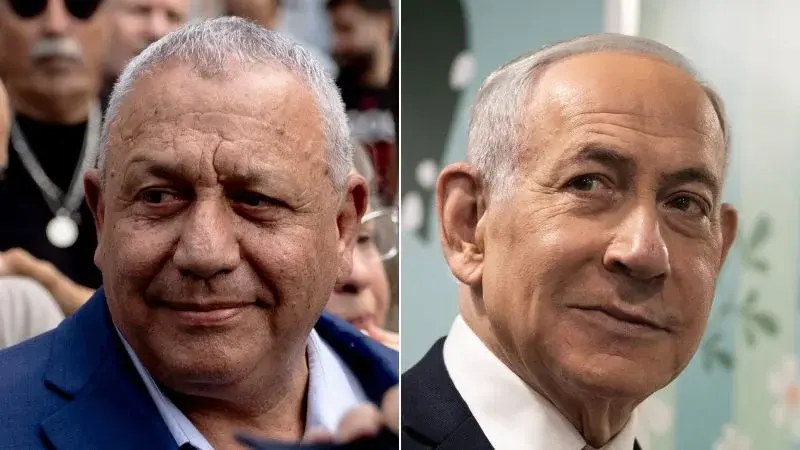
Israeli voters cast ballots in a historic election with record turnout, but exit polls indicate a deadlock between Benjamin Netanyahu’s coalition and Gadi Eisenkot’s opposition bloc. Neither side secured the 61-seat majority needed to form a government, leaving the outcome uncertain and potentially leading to weeks of coalition negotiations or a second round of voting. The race is viewed as a referendum on Netanyahu’s leadership following the October 2023 Hamas attack and ongoing regional conflicts.
Key points
- Netanyahu’s right-wing bloc lost its majority, projected to collapse from 68 seats to approximately 52, though Likud remains the largest single party.
- Gadi Eisenkot’s opposition bloc is projected to secure 49 seats, falling short of the 61-seat majority required to govern.
- Arab-led parties, including the Joint List and Raam, are projected to win a record 17-19 seats, their strongest showing in history.
- Voter turnout reached 77.7%, the highest percentage since 1999, with nearly 5.7 million voters casting ballots.
- Coalition formation remains uncertain as Eisenkot has set conditions for partners that most Arab lawmakers are unlikely to accept, while Netanyahu has ruled out working with Arab parties.
Background
Pre-election polls indicated a likely stalemate, with neither bloc reaching the 61-seat majority. The outcome was expected to hinge on Arab voter turnout, which historically has been lower than Jewish Israeli rates but surged in this election due to a desire to dismantle Netanyahu’s right-wing coalition, which includes hardline ministers such as Itamar Ben-Gvir and Bezalel Smotrich.
How outlets are covering it
CNN emphasizes the 'crash' in support for Netanyahu and the record Arab turnout, highlighting the uncertainty in coalition formation. The Jerusalem Post focuses on the Joint List’s strategy to prevent Netanyahu from remaining as caretaker prime minister by supporting an alternative government from outside the coalition, demanding commitments on crime, home demolitions, and other issues affecting Arab society. Both outlets agree that neither bloc has a clear path to power, but they differ on the likelihood of Arab parties influencing the outcome.
Why it matters
The election outcome will determine whether Israel continues moving in a nationalistic, conservative, and religious direction or changes course. The inability to form a government could lead to weeks of negotiations or a second round of voting, with significant implications for regional conflicts and domestic policy.
What to watch
The official vote count is expected to be finalized within a few days, after which President Isaac Herzog will select a candidate to form a government. Eisenkot is likely to be given the first opportunity, with four to six weeks to negotiate a coalition. If he fails, Netanyahu may be given a chance, and if both fail, Israel could hold new elections.
- No clear winner in Israel as exit polls suggest rebuke for Netanyahu CNN
- Arab-Majority Joint List Head Says Party 'Cannot Be Ignored' Amid Historic Turnout Haaretz
- Ahmad Tibi outlines plan to oust Netanyahu after elections if neither bloc forms majority The Jerusalem Post
- Joint List leader says voters sent clear message to ‘government of bloodshed’ Middle East Eye
- Joint List Chairman Casts Vote in Umm al-Fahm Ynetnews
Want the full story? Read the original reporting
Read on CNN