
Forty-six veterans and first responders seek PTSD relief through ayahuasca retreat in Costa Rica
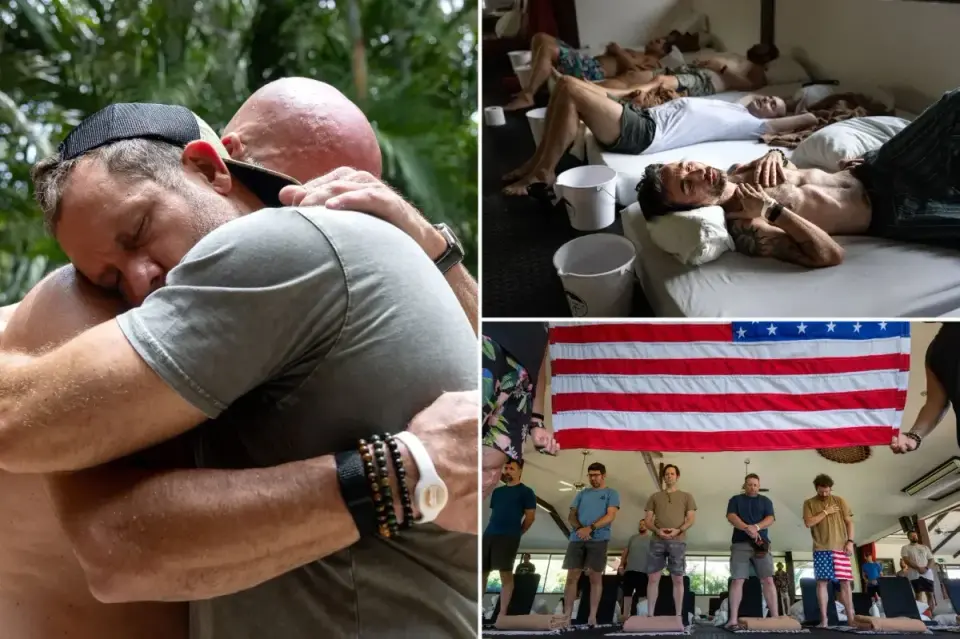
A week-long retreat in Costa Rica brought together 46 American veterans and first responders for ayahuasca ceremonies, counseling, and meditation to address PTSD and emotional trauma. Organized by the nonprofit Coming Home and the Rythmia Life Advancement Center, the program coincided with the 25th anniversary of 9/11. Participants, including Navy SEALs and Army Rangers, reported significant emotional breakthroughs and reduced internal conflict, though the experience involved intense physical reactions like vomiting. The initiative highlights a growing trend of seeking psychedelic-assisted healing abroad due to federal restrictions on DMT, despite ongoing debates about safety and efficacy.
Key points
- 46 American veterans and first responders participated in a seven-day retreat at the Rythmia Life Advancement Center in Guanacaste, Costa Rica.
- The program, co-organized with the nonprofit Coming Home, combined ayahuasca ceremonies with yoga, counseling, and medical supervision.
- A 2026 Department of Veterans Affairs report cited 6,488 veteran suicide deaths in 2024, averaging 17.7 per day, underscoring the need for alternative treatments.
- Participants reported emotional release and improved self-compassion, with one veteran describing a quieter internal dialogue after returning home.
- Rythmia’s chief medical officer noted that approximately half of participants vomited during ceremonies, a reaction often interpreted as a release of trauma.
- The retreat included a 30-day preparation period involving dietary changes and reduced exposure to distressing media, alongside rigorous medical screening.
Background
Recent coverage has highlighted the severe mental health crises facing veterans, including the execution of a Vietnam veteran in Florida despite clemency pleas citing PTSD. This ongoing struggle with trauma and the high rate of veteran suicides have intensified interest in alternative therapeutic approaches, such as psychedelic-assisted healing, which remains controversial and federally restricted in the United States.
Why it matters
The retreat illustrates a growing movement among veterans and first responders to seek unregulated psychedelic therapies abroad to address PTSD and emotional trauma. As federal laws restrict access to substances like DMT, these international retreats offer a potential pathway for healing, though they raise significant questions about safety, medical oversight, and the long-term efficacy of such interventions in treating complex psychological wounds.
What to watch
Organizers of similar retreats may continue to expand their programs, potentially influencing public discourse on psychedelic therapy. However, the lack of standardized regulations and the potential for severe side effects, including serotonin syndrome when combined with certain medications, may lead to increased scrutiny from medical and legal authorities. Participants may also face challenges integrating their experiences into daily life, as noted by those who reported ongoing struggles with everyday pressures.
Want the full story? Read the original reporting
Read on New York Post