
Japan’s 20x Residency Fee Hike and New Income Barriers Take Effect
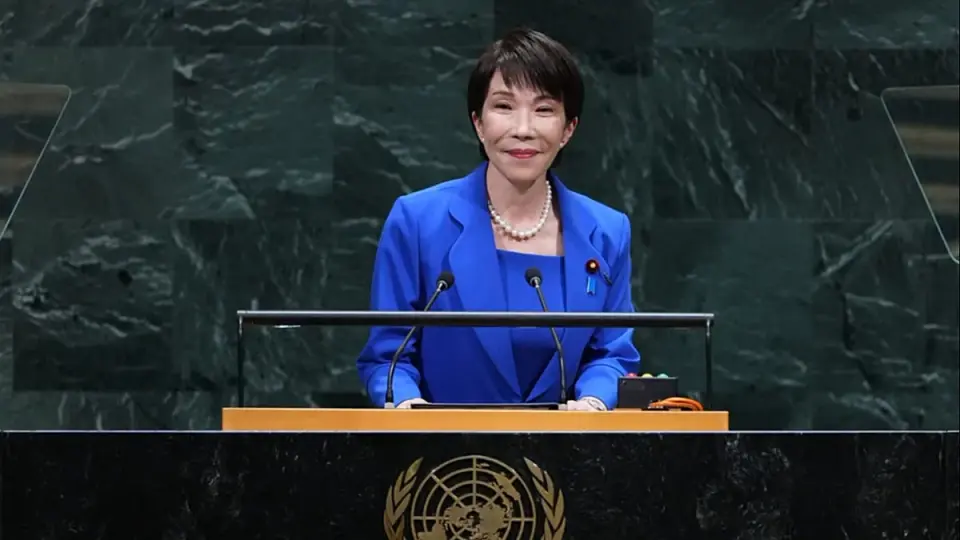
Japan implemented stricter permanent residency rules on October 1, 2026, including a 20-fold fee increase to 200,000 yen. New requirements mandate income above the national average and eventual Japanese language proficiency. These measures, driven by Prime Minister Sanae Takaichi, aim to address public anxiety over immigration despite ongoing labor shortages.
Key points
- The application fee for permanent residency rose from 10,000 yen to 200,000 yen effective October 1, 2026.
- Applicants must now demonstrate annual income at or above the Japanese average, currently 5.75 million yen.
- Japanese language proficiency requirements will be enforced starting April 2027.
- Pension benefits must match those of a person who paid into the employee pension system for 30 years.
- Hundreds of applicants queued at Tokyo immigration offices before the fee hike to avoid the new costs.
Background
These changes follow a series of immigration tightening measures introduced by Prime Minister Sanae Takaichi since her February 2026 election victory. In July 2026, Japan implemented a five-fold increase in standard visa fees, its first such hike in 50 years. The current policy shift occurs amid a record foreign resident population of 4.12 million at the end of 2025, which rose by 9.5% year-on-year. Previous coverage noted that these restrictions contradict Japan’s acute need for foreign labor to offset a shrinking workforce and aging population.
How outlets are covering it
Euronews highlights the political motivation behind the rules, noting Takaichi’s desire to deliver on election promises regarding immigration control while acknowledging the country’s demographic challenges. BBC emphasizes the economic impact, detailing the specific fee structures and the resulting anxiety among long-term residents who feel the measures are punitive. Both outlets report on the tension between public sentiment and economic necessity; Euronews notes that business leaders and experts warn that Japan must welcome more workers, while BBC quotes a resident questioning the logic of requiring higher-than-average income for residency. The sources agree on the factual changes but differ in emphasis: Euronews focuses on the political narrative of 'orderly coexistence,' while BBC focuses on the practical hurdles and financial barriers faced by applicants.
Why it matters
The new regulations signal a significant shift in Japan’s approach to foreign residents, prioritizing social cohesion and public sentiment over immediate labor market needs. The substantial fee increase and income thresholds may deter long-term settlement, potentially exacerbating labor shortages in sectors like manufacturing and care. This policy reflects a broader trend of right-wing political influence in Japan, where anti-immigration sentiment has grown despite demographic pressures requiring foreign workers.
What to watch
From April 2027, permanent residency applicants will face mandatory Japanese language proficiency tests. The government will monitor the impact of the fee hikes and income requirements on application rates. Further adjustments to visa fees and residency status extension costs, which also increased on October 1, 2026, will continue to affect foreign residents. The government may introduce additional measures to address public concerns while balancing economic needs.
- Takaichi tightens rules for foreigners seeking permanent residency Euronews.com
- Japan raises permanent residency fees for foreigners by 20 times BBC
- Japan officially overhauls permanent residency rules The Japan Times
- Japan’s Takaichi Touts Sweeping Changes in Immigration Rules Bloomberg.com
- Japan Raises Residency Fees 2,000 Percent Amid ‘Anxiety’ Over Foreigners The New York Times
Want the full story? Read the original reporting
Read on Euronews.com