
Kenya grants 90-day amnesty to foreign traders after panic at Burundi embassy
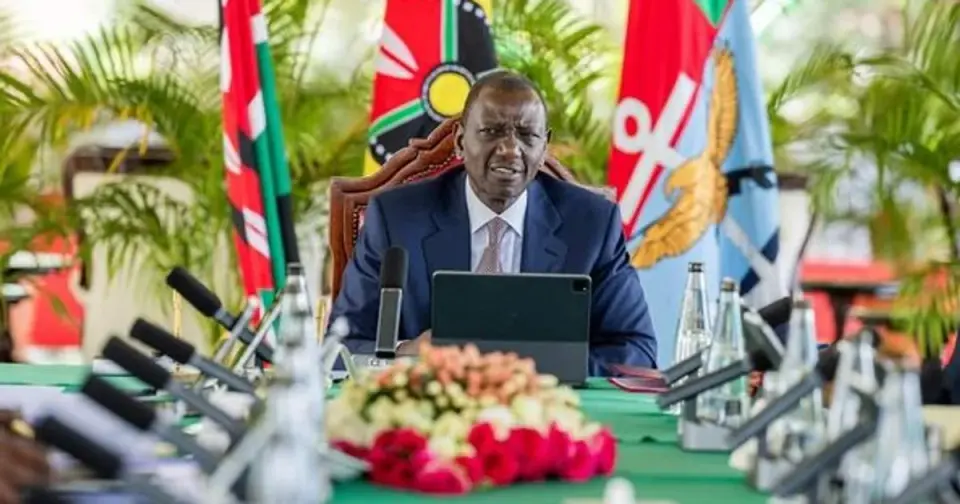
Following President William Ruto’s directive to shut down foreign-run small businesses, hundreds of Burundians rushed to Kenya’s embassy in Nairobi. The Kenyan government responded by offering a 90-day amnesty for undocumented foreigners to regularize their status, while officials denied allegations of state-sponsored xenophobia.
Key points
- President Ruto ordered foreign nationals to cease operations in small-scale businesses reserved for Kenyans, setting a deadline for compliance.
- Hundreds of Burundians fled to the Kenyan embassy in Nairobi amid fears of harassment and deportation.
- The Kenyan government announced a 90-day amnesty period allowing undocumented foreigners to complete registration procedures.
- Ruto also ordered Indian-owned Tata Chemicals to exit Kenya, citing a lack of benefit to the local economy.
- Burundi’s foreign minister warned that continued hate speech could jeopardize the safety of Kenyans living in Burundi.
Background
This crisis follows earlier regional tensions over economic integration. In August 2026, similar disputes arose regarding mail-in ballot oversight in the US and asset control in Russia, highlighting global trends in tightening regulatory control over private and foreign entities. The current Kenyan-Burundi dispute is part of a broader pattern in East Africa where trade policies are increasingly used to address domestic economic anxieties, despite the East African Community’s goals of free movement.
How outlets are covering it
Business Insider Africa emphasizes the immediate government response, highlighting the 90-day amnesty and the directive to Tata Chemicals. BBC focuses on the diplomatic fallout, noting Burundi’s warning about reciprocal actions against Kenyans and the trade minister’s claim that visa-free entry does not grant work rights. AP News highlights the humanitarian aspect, describing the panic at the embassy and the police presence, while noting that the amnesty aims to regularize the status of affected traders. The outlets differ in their framing: Business Insider and AP focus on the policy shift and its immediate effects, while BBC highlights the diplomatic and regional implications, including the involvement of the East African Community.
Why it matters
The crackdown on foreign small businesses could reshape trade dynamics in East Africa, potentially leading to reciprocal restrictions by neighboring countries. The amnesty provides a temporary buffer, but the underlying tensions between national protectionism and regional integration remain unresolved. The incident also raises questions about the balance between economic sovereignty and the rights of migrant workers in the region.
What to watch
The 90-day amnesty period will determine how many foreign traders successfully regularize their status. The outcome of the Tata Chemicals exit and the replacement of its operations by new companies will be closely watched. Diplomatic relations between Kenya and Burundi may improve or deteriorate depending on the implementation of the amnesty and the resolution of the embassy crisis.
- As fear drives 100s to Kenya’s embassy, the government quickly moves to grant temporary amnesty to its undocumented neighbours Business Insider Africa
- Kenya offers temporary amnesty to undocumented East Africans amid fears of crackdown Reuters
- Kenya moves to register frightened Burundians as tension over foreign traders rises BBC
- Kenya moves to regularize foreign businesses after president's remarks alarm immigrant communities AP News
- Kenya's foreign trader crackdown sparks fear among migrant communities NPR
Want the full story? Read the original reporting
Read on Business Insider Africa