
FBI Director Patel Faces Backlash for Formal Law Enforcement Ties with China and Russia
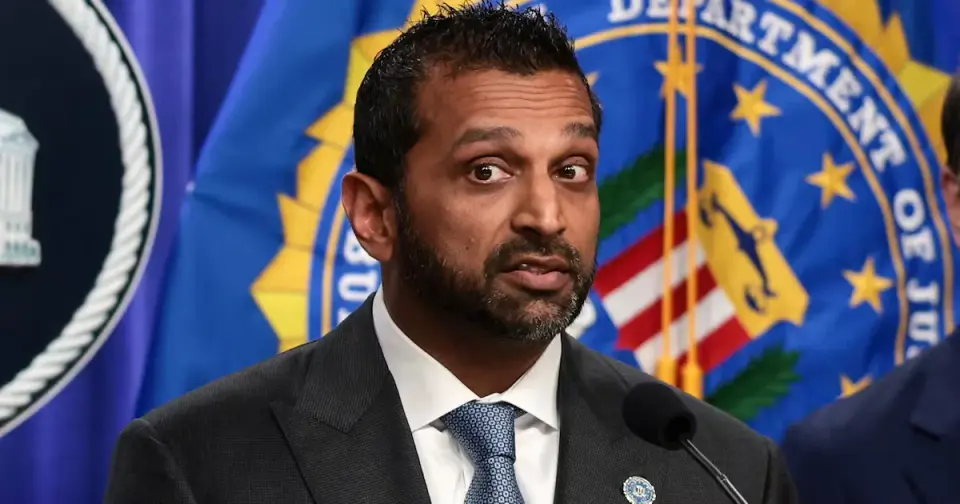
FBI Director Kash Patel has established formal law enforcement partnerships with China and Russia to combat transnational crimes, a move that has drawn sharp criticism from intelligence officials who view the nations as primary adversaries. The collaboration, which began after President Trump’s 2025 visit to Beijing, involves joint operations against cyber fraud, fentanyl trafficking, and child exploitation. While Patel argues the cooperation yields tangible results, critics warn it exposes the U.S. to significant counterintelligence risks.
Key points
- Patel has created four specialized working groups with China and Russia focused on cyber fraud, child exploitation, counternarcotics, and fugitive apprehension.
- The partnership includes monthly personnel exchanges and intelligence sharing, with Chinese officials visiting U.S. FBI facilities and Patel planning a trip to Russia in October 2026.
- A joint operation called 'Operation Sand Dollar' in May 2026 resulted in 300 arrests and the seizure of approximately $300 million in Dubai.
- Patel acknowledges China and Russia remain 'adversarial' but argues that engagement is necessary to achieve 'wins for America' in combating global crime.
- Critics, including former FBI agents, argue that the arrangement provides cover for espionage and infiltrates the U.S. intelligence community.
Background
This development follows a broader shift in U.S. foreign policy under President Trump, who has advocated for a transactional approach to international relations. The FBI’s move represents a significant departure from decades of policy that treated China and Russia primarily as sources of espionage and strategic competition rather than partners in law enforcement. Previous archive coverage from August 2026 focused on unrelated entertainment news, indicating this is a new political development in the current cycle.
How outlets are covering it
The Daily Beast emphasizes the controversy, noting that Patel’s actions have 'landed like a lead balloon' in the intelligence community and highlighting the nickname 'Keystone Kash' to underscore perceived incompetence. Tuko News focuses on the operational outcomes, detailing the specific arrests and financial seizures from 'Operation Sand Dollar' and the logistical details of the personnel exchanges. Modern Diplomacy provides a broader geopolitical analysis, framing the move as a pragmatic experiment in separating criminal law enforcement from strategic rivalry, while noting that critics remain concerned about the potential for intelligence gathering by authoritarian states. All sources agree that the cooperation is limited to specific criminal categories but differ on the assessment of the associated risks.
Why it matters
This policy shift challenges the traditional U.S. stance of isolating strategic rivals in law enforcement matters. If successful, it could set a precedent for future cooperation with other adversarial nations. However, if counterintelligence safeguards fail, it could expose sensitive U.S. investigative methods and vulnerabilities to China and Russia, potentially undermining national security interests in the long term.
What to watch
Patel is expected to travel to Russia in October 2026 to further solidify the partnership. The FBI will likely continue to monitor the effectiveness of the working groups and the integrity of the countermeasures in place. Future developments may include expanded cooperation with other countries or a reassessment of the policy if security breaches are detected.
- Keystone Kash Slammed for Rolling Out Red Carpet to U.S. ‘Enemies’ The Daily Beast
- EXCLUSIVE: Under Patel, FBI forges unprecedented law enforcement ties with China, Russia Reuters
- "Dynamic relationships": FBI partners with China, Russia on transnational crime Tuko News
- USA-JUSTICE/FBI-CHINA Fredericksburg.com
- Why Is the FBI Working With America’s Biggest Rivals? Modern Diplomacy
Want the full story? Read the original reporting
Read on The Daily Beast