
King Charles Expresses Sorrow Over Slavery but Stops Short of Formal Apology at Commonwealth Summit
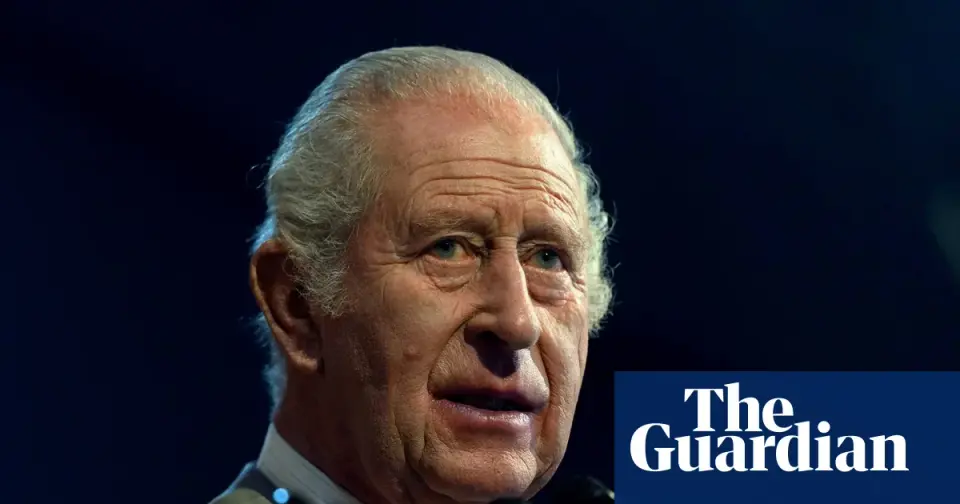
King Charles III opened the Commonwealth Heads of Government Meeting in Antigua and Barbuda by acknowledging the transatlantic slave trade as a 'shameful chapter' that causes him profound sorrow. However, he did not issue a formal apology or support financial reparations, instead focusing on education and trade. While Prime Minister Andy Burnham signaled openness to a state apology, Caribbean leaders and campaigners criticized the lack of concrete reparatory justice, demanding monetary compensation and debt cancellation.
Key points
- King Charles III addressed the 56-member Commonwealth summit in St John’s, Antigua and Barbuda, stating that the slave trade casts a shadow over the region.
- The King expressed personal horror and sorrow but avoided a formal apology, citing his political neutrality and the need for modern partnerships in education and climate resilience.
- UK Prime Minister Andy Burnham confirmed he is open to a formal apology for slavery but rejected financial reparations, proposing instead a debt reset and £40 million for Caribbean infrastructure.
- Caribbean leaders, including Caricom chair Philip J Pierre, argued that an apology without reparations is incomplete, demanding a 10-point plan that includes monetary compensation and cultural restitution.
- Protesters gathered outside the summit venue, chanting against the lack of accountability, while critics like Ralph Gonsalves called the King’s speech a disappointment for not addressing reparatory justice.
Background
This event follows a nine-day Caribbean tour by King Charles III, which included visits to the Bahamas and Guyana, where he visited a site of a historical slave rebellion. Previous UK stances had excluded reparations from the agenda, but recent diplomatic tensions have forced the government to engage in structured dialogue with Caribbean nations regarding historical grievances.
How outlets are covering it
The Guardian and BBC emphasized the King’s emotional language, noting his description of the slave trade as a 'shameful chapter' that fills his soul with sorrow, while highlighting that he stopped short of a formal apology. The New York Times focused on the contrasting reactions in the Caribbean, noting celebratory parades alongside protests where demonstrators chanted 'Not our king' and demanded reparations. Yahoo highlighted the political alignment between the King and Prime Minister Andy Burnham, noting that Burnham called the speech 'perfect' and that the King’s remarks aligned with the government’s stance against financial reparations. Critics, including the Antigua and Barbuda Reparations Support Commission, argued that the King’s emotional expression was insufficient without acceptance of responsibility or concrete reparatory actions.
Why it matters
The outcome of the Commonwealth summit will determine the future of UK-Caribbean relations and the trajectory of the international reparations movement. The distinction between a symbolic apology and financial reparations remains a critical point of contention, influencing how former colonies view the legitimacy of the Commonwealth and the UK’s role in addressing historical injustices.
What to watch
Prime Minister Andy Burnham is expected to continue bilateral talks with Caribbean leaders on the structured dialogue regarding a formal apology and debt relief. The Commonwealth summit will proceed with discussions on trade, climate resilience, and sustainable debt, while campaigners will continue to press for the inclusion of monetary compensation in any official agreements.
- King Charles addresses summit as campaigners intensify demands for apology for slavery The Guardian
- King does not offer formal apology for transatlantic slave trade Yahoo
- King Charles Meets Both Joy and Criticism on Caribbean Tour The New York Times
- King calls slave trade a 'shameful chapter' during Commonwealth address BBC
- A response to Andy Burnham: We need an apology and reparations Al Jazeera
Want the full story? Read the original reporting
Read on The Guardian