
Spain’s Transport Minister Resigns Following Fatal Toledo Rail Disaster
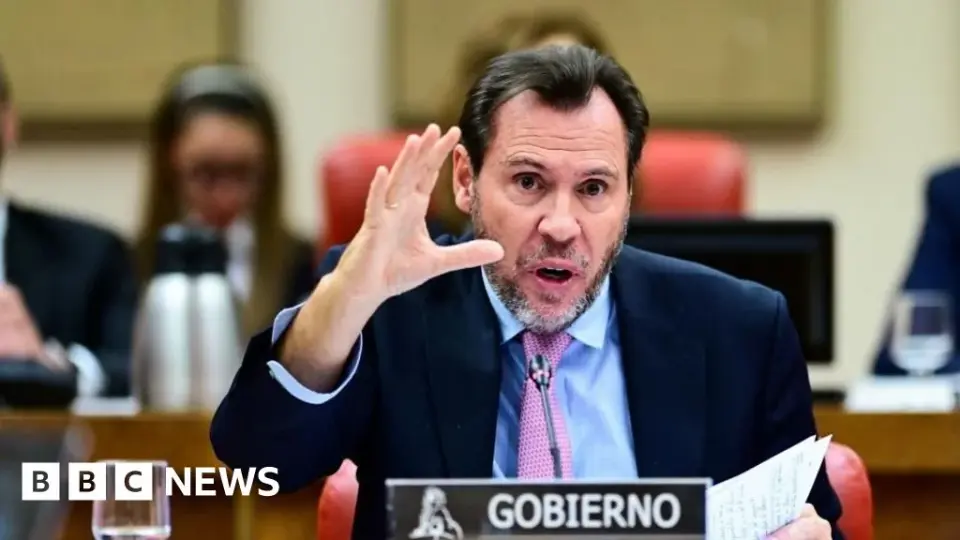
Spanish Transport Minister Óscar Puente has resigned following the deadly high-speed train collision near Toledo that killed at least 69 people. The decision comes days after he refused to step down amid intense political pressure and public outcry over the disaster, which was attributed to a signaling failure and control center error. This marks the second major rail tragedy in Spain this year, intensifying debates over infrastructure safety and government accountability.
Key points
- Óscar Puente, Spain’s transport minister, has resigned following the fatal train crash near Toledo.
- The resignation occurs days after Puente initially refused to step down despite pressure from opposition parties and unions.
- The crash killed at least 69 people and injured over 100, marking the second major rail disaster in Spain in 2026.
- Preliminary reports attribute the collision to a signaling system failure and an erroneous manual override at a central control center.
- The incident has intensified political tensions and calls for accountability regarding rail infrastructure safety and maintenance.
Background
The Toledo crash is the second major rail disaster in Spain this year, following the January Adamuz crash that killed 46 people. Previous coverage highlighted that the incident involved a moving Renfe train striking a stationary Iryo train near Toledo. While the government blamed a controller’s decision to restart the train, unions argued that understaffing and obsolete safety systems created the conditions for the disaster. Prime Minister Pedro Sánchez had declared national mourning and acknowledged broken public trust, but Puente had initially insisted his role was to resolve the crisis rather than resign. The new resignation follows this period of intense scrutiny and debate over liability and systemic neglect.
Why it matters
The resignation of the transport minister signals a significant shift in the political response to the Toledo rail disaster, moving from initial resistance to accountability. It underscores the severe public and political backlash over the second major rail tragedy in 2026, highlighting deep concerns about infrastructure safety, maintenance spending, and government oversight in Spain’s high-speed rail network.
What to watch
The resignation will likely trigger a new appointment for the transport minister and may accelerate investigations into the root causes of the crash, including systemic issues in signaling and staffing. It could also influence the political landscape ahead of a snap election, as opposition parties continue to press for accountability regarding rail safety and infrastructure neglect.
- Spanish transport minister resigns days after deadly train crash BBC
- Spain's transport minister says he will resign after latest deadly train crash Reuters
- Cal Poly students severely injured in horrific Spain train crash that killed 69 SFGATE
- Students from Washington caught in high-speed train crash in Spain KING5.com
- Train Disaster Is Blow to Spain’s Leader, Already Election Underdog The New York Times
Want the full story? Read the original reporting
Read on BBC