
King Charles Opens Commonwealth Summit Amidst UK Slavery Apology Talks
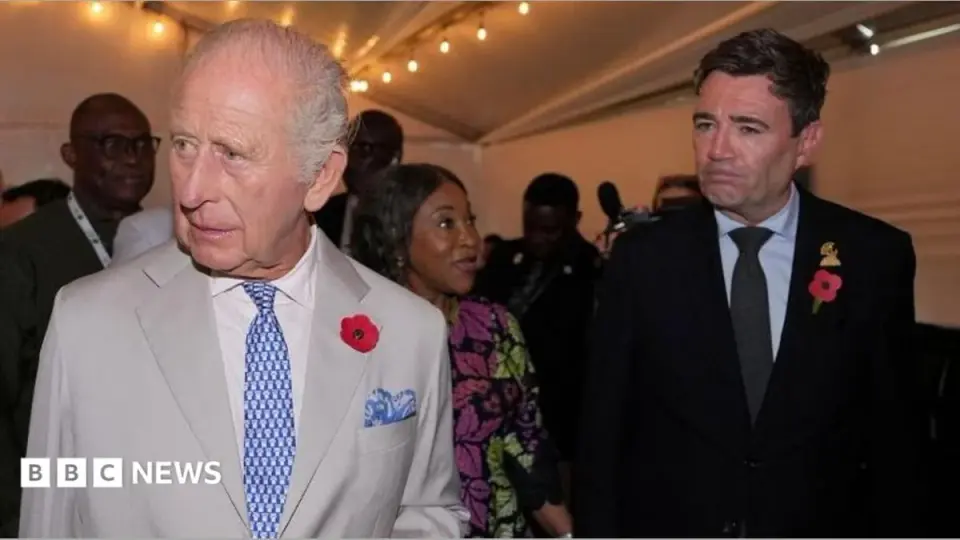
King Charles III opened the Commonwealth Heads of Government Meeting in Antigua, delivering a speech on the slave trade with 'unflinching honesty' while Prime Minister Andy Burnham began talks on a formal UK apology. Burnham rejected financial reparations but proposed debt restructuring and a £40 million investment in Caribbean infrastructure. The summit involves 56 nations, with the UK seeking to manage tensions over historical grievances and economic support.
Key points
- King Charles III formally opened the summit, speaking on the transatlantic slave trade with 'sincere sorrow' and 'unflinching honesty', though Buckingham Palace maintains his role is non-political.
- Prime Minister Andy Burnham confirmed openness to a formal state apology for slavery within the next year but firmly rejected financial reparations, stating modern citizens should not be liable for historical wrongs.
- Burnham announced a 'debt reset' initiative to help Commonwealth nations manage interest payments, alongside a £40 million investment over three years for critical infrastructure in the Caribbean.
- The UK government is proposing a 'structured dialogue' with affected nations, potentially coinciding with the UK's G20 presidency, to address historical grievances without monetary compensation.
- Conservative leader Kemi Badenoch criticized the apology talks as a distraction, while Caribbean leaders and the African Union continue to press for reparations and debt relief.
Background
This summit follows previous UK stances that excluded reparations from the agenda. The 2024 meeting in Samoa was dominated by reparations discussions. The current gathering aims to reshape the Commonwealth's future by addressing historical grievances and economic challenges, including spiralling debt interest payments for member nations.
How outlets are covering it
BBC News emphasizes the diplomatic tension, noting that while the King’s reception is likely polite, the audience includes leaders demanding apologies or reparations, and some wishing to remove the monarch as head of state. The New York Times highlights the constitutional limitation of the King, noting he cannot issue a formal apology without government direction, and focuses on Burnham’s specific policy announcements, including the debt reset and critical minerals task force. The Guardian offers a critical perspective, arguing that while individual British people need not apologize, the government must confront its colonial past and that reparations should be framed as restorative justice rather than just financial compensation, citing the ongoing impact of systemic racism.
Why it matters
The outcome of these talks could redefine the UK's relationship with its former colonies and influence global soft power. A formal apology without reparations may fail to satisfy Caribbean leaders, potentially straining diplomatic ties. Conversely, the proposed debt relief and infrastructure investments could strengthen economic partnerships and address immediate financial burdens faced by Commonwealth nations.
What to watch
The UK government will engage in a 'structured dialogue' with Commonwealth nations, potentially leading to a formal apology within the next year. Burnham is expected to finalize details on the debt reset and the £40 million infrastructure investment. The King’s speech will set the tone for the summit, focusing on collaboration and youth opportunities, while political debates over reparations and apologies continue in the UK and internationally.
- King to open Commonwealth summit as Burnham begins talks on slavery apology BBC
- King Charles to Give ‘Unflinching’ Speech on UK’s Role in Slave Trade The New York Times
- British people don’t need to apologise for slavery – but the government does The Guardian
- PM plans debt reset for Commonwealth nations as slavery apology talks begin BBC
- As reparations debate grows, Caribbean campaigners point to one British family's example Reuters
Want the full story? Read the original reporting
Read on BBC