
Hungary Uncovers 2,200-Year-Old Celtic Silver Hoard Ahead of Substation Build
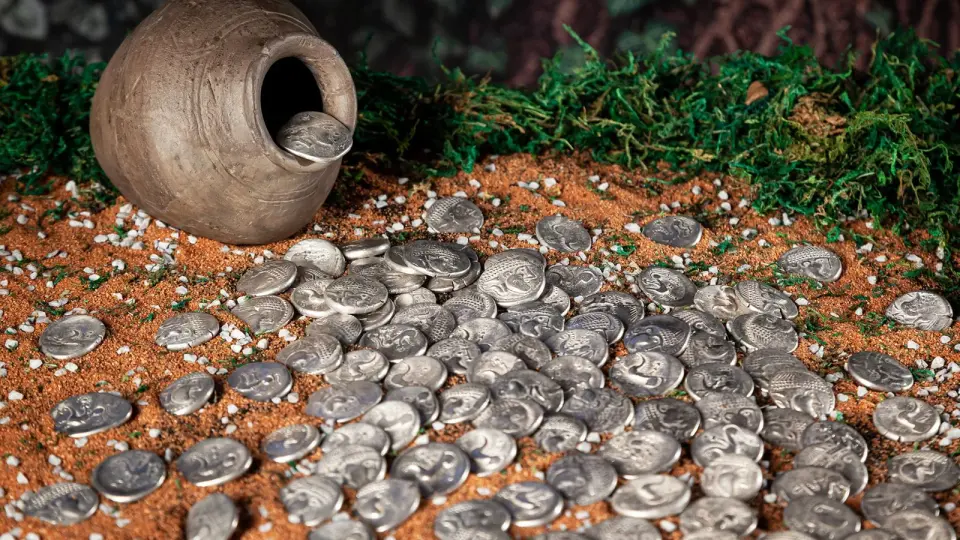
Archaeologists in western Hungary discovered a hoard of over 200 Celtic silver coins dating to the late 2nd or early 1st century BCE. Found during excavations for a new electrical substation, the 2kg cache is the largest such find in the country in over 50 years.
Key points
- The hoard contains more than 200 silver coins, weighing approximately 2 kilograms (4.4 pounds).
- The coins are identified as Velem-type tetradrachms, Celtic imitations of Greek currency, likely minted about 15 kilometers away.
- The discovery was made between 2023 and 2025 during archaeological surveys preceding the construction of an E.ON substation in Szombathely.
- The site yielded evidence of over 7,000 years of occupation, including a 7,000-year-old stone chisel and a Roman-era brick with a dog’s paw print.
- The hoard is considered the largest Celtic silver find in Hungary since the late 1960s.
Background
This discovery follows a series of significant archaeological finds in Europe, including a 2,000-year-old iron hoard in Austria and a Roman silver hoard in Germany. While those finds highlighted trade networks and military logistics, this Hungarian discovery offers insight into Celtic monetary practices and ritual or wealth storage in the Carpathian Basin.
How outlets are covering it
Live Science and UA.NEWS emphasize the rarity of the find, noting it is the largest Celtic hoard in Hungary in decades. Archaeology News Online and Arkeonews provide broader context, highlighting that the excavation uncovered nearly 400 archaeological features spanning from the 5th millennium BCE to the modern era. While Live Science focuses on the coin’s value and design, Arkeonews details the specific location near Muskátli Street and the debate over whether the coins were a votive offering or hidden savings. All sources agree on the timeline and the involvement of the National Archaeological Institute.
Why it matters
The find provides tangible evidence of Celtic economic activity and cultural practices in Central Europe, specifically the use of Greek-inspired coinage. It also demonstrates the value of preventive archaeology, where construction projects lead to the documentation of extensive historical layers, preserving knowledge that would otherwise be lost to development.
What to watch
The artifacts are expected to be displayed in a temporary exhibition at the Savaria Museum in Szombathely. The construction of the Szombathely Észak substation, part of E.ON’s Danube InGrid project, will proceed following the completion of the archaeological documentation.
- 2,200-year-old Celtic coin stash discovered at Hungarian construction site — and they're worth over $2,000 today Live Science
- 2,100-year-old Celtic silver hoard found under 40 centimeters of soil at a Hungarian substation site Archaeology News Online Magazine
- 208 Celtic Silver Coins Found Just a Shovel’s Depth Down Arkeonews
- More than 200 Celtic silver coins found in Hungary — Live Science UA.NEWS
- Hoard of more than 200 Celtic silver coins discovered in Hungary HeritageDaily
Want the full story? Read the original reporting
Read on Live Science