
King Felipe’s Visit to Ceuta and Melilla Highlights Unresolved Spain-Morocco Dispute
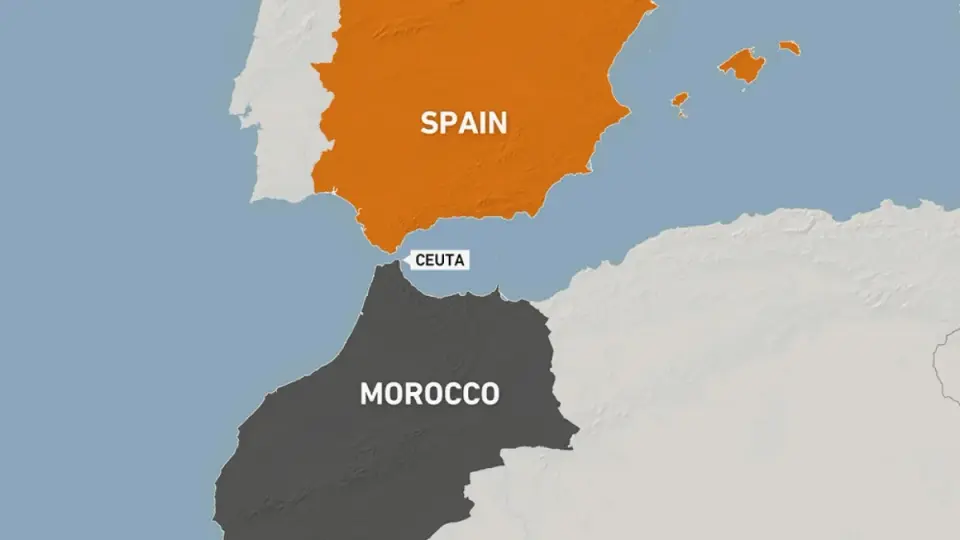
King Felipe VI and Queen Letizia are set to visit the disputed North African enclaves of Ceuta and Melilla, marking the monarch's first trip to these territories since ascending the throne in 2014. The visit occurs shortly after a significant migration incident in July and amidst a long-standing sovereignty dispute between Spain and Morocco. While Spain maintains that Ceuta and Melilla are integral parts of its national territory, Morocco claims them as occupied regions. The cities' strategic location on the North African coast and their status as external borders of the Schengen area continue to make them focal points for diplomatic tension and migration policy.
Key points
- King Felipe VI and Queen Letizia will visit Ceuta on October 13 and Melilla on October 14, their first royal tour of these cities since 2014.
- The visit follows a major migration crisis in July, during which over 72,000 migrants entered Ceuta from Morocco, according to Reuters.
- Spain considers Ceuta and Melilla autonomous cities and integral parts of its nation, while Morocco claims them as occupied territories since its independence in 1956.
- Ceuta was captured by Portugal in 1415 and remained under Spanish rule after Portugal regained independence in 1640, a status confirmed by the 1668 Treaty of Lisbon.
- Melilla was taken by Spanish forces in 1497, differing from Ceuta's Portuguese origin, yet both are currently Spanish autonomous cities claimed by Morocco.
Background
This dispute has historical roots in the differing linguistic and political histories of the cities. Ceuta, known as Sabta in Arabic, was under various Muslim dynasties before the Portuguese conquest in 1415. The name 'Sebta' is used in Morocco, reflecting the Arabic heritage, while 'Ceuta' is the Spanish form. Previous coverage has not detailed this specific territorial dispute, but the current visit underscores the ongoing diplomatic friction between Madrid and Rabat, particularly regarding border control and migration flows.
Why it matters
The royal visit signals Spain's firm stance on its sovereignty over Ceuta and Melilla, challenging Morocco's claims. The cities' unique status as Spanish territories outside the EU customs union but within the Schengen area makes them critical for border security and migration management. The recent influx of migrants has intensified the urgency of resolving or managing this dispute, as it directly impacts regional stability and international relations between the two nations.
What to watch
The outcome of King Felipe's visit may influence diplomatic negotiations between Spain and Morocco. Continued tension over the cities' status could lead to further incidents at the borders or shifts in migration policy. Spain is expected to reinforce its administrative control, while Morocco may escalate its claims through diplomatic channels or public statements.
Want the full story? Read the original reporting
Read on Al Jazeera