
Knesset speaker election shifts legislative control to opposition bloc
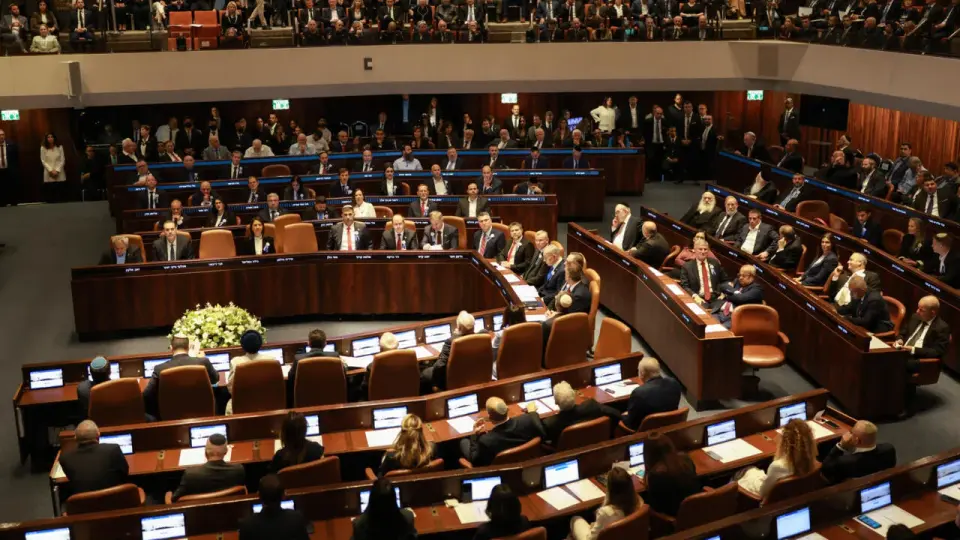
Matan Kahana was elected as the new speaker of the Israeli Knesset with 66 votes, transferring control of the legislative agenda to the opposition bloc led by Gadi Eisenkot. This move allows the opposition to fast-track bills aimed at repealing Netanyahu’s judicial reforms and establishing a commission to investigate the October 7, 2023, attacks, while Netanyahu’s coalition attempts to block the process and maintain influence through caretaker appointments.
Key points
- Matan Kahana, an ally of Gadi Eisenkot, was elected Knesset speaker with 66 votes, defeating Likud candidate Ofir Katz, who received 52 votes.
- The opposition bloc, holding 67 seats, now controls the legislative timetable and has waived the standard 45-day waiting period for private members' bills.
- Key legislative priorities include repealing judicial reforms that reduced court independence and establishing a state commission of inquiry into security failures surrounding the October 7, 2023, attacks.
- Netanyahu’s coalition condemned the election as illegitimate, citing support from Arab-majority parties, and members shouted 'shame' at Arab lawmakers during the vote.
- Eisenkot faces internal divisions over coalition formation, with some allies opposing reliance on Arab party support, while Netanyahu considers appointing outgoing speaker Amir Ohana as a minister despite legal advice against caretaker appointments.
Background
Following the October 27, 2026, elections, Netanyahu lost his parliamentary majority, and President Isaac Herzog tasked Gadi Eisenkot with forming a new government. Eisenkot’s bloc holds 48 seats, requiring support from Arab-led parties or ultra-Orthodox groups to secure a majority. The new Knesset includes a record 19 seats for Arab parties, marking a significant shift in the political landscape. Previous coverage noted that the opposition had already introduced bills to reverse judicial reforms and investigate the October 7 attacks, setting the stage for the speaker election as a critical step in consolidating legislative control.
How outlets are covering it
France 24 emphasizes the strategic advantage Kahana’s election gives Eisenkot’s camp to unravel Netanyahu’s legacy, highlighting the waiver of the 45-day waiting period for bills. CNN focuses on the broader power shift, noting that the opposition now controls key committees and the legislative agenda, while detailing internal divisions within Eisenkot’s bloc over coalition strategies. The Guardian underscores the democratic implications, with Eisenkot calling the move a 'worthy democratic move' and experts noting the speaker’s ability to accelerate or delay legislation. Haaretz highlights a specific controversy: Netanyahu’s plan to appoint outgoing speaker Amir Ohana as a minister, which the deputy attorney general advised against due to caretaker government restrictions. All sources agree on the vote count and the opposition’s legislative priorities but differ in emphasis: France 24 and CNN focus on the procedural and political power shift, The Guardian on democratic norms, and Haaretz on legal constraints on Netanyahu’s actions.
Why it matters
The election of Matan Kahana as Knesset speaker marks a pivotal shift in Israeli politics, transferring legislative control from Netanyahu’s coalition to the opposition bloc. This enables the opposition to fast-track the repeal of controversial judicial reforms and establish an independent inquiry into the October 7, 2023, attacks, potentially holding Netanyahu accountable. The outcome also reflects a broader realignment in Israeli politics, with Arab-majority parties playing a decisive role in the vote, despite opposition from Netanyahu’s allies. The speaker’s ability to control the legislative timetable could determine whether key reforms are enacted before Eisenkot’s deadline to form a government expires, influencing the future direction of Israeli governance and democratic institutions.
What to watch
Eisenkot has until late December to form a government, with internal negotiations ongoing over coalition strategies, including potential alliances with ultra-Orthodox parties or reliance on Arab party support. The opposition bloc will continue advancing bills to repeal judicial reforms and establish a commission of inquiry, facing procedural hurdles as bills must pass multiple parliamentary stages. Netanyahu’s coalition may attempt to delay or block legislation through procedural tactics, while Netanyahu’s plan to appoint Amir Ohana as a minister could face legal challenges. If Eisenkot fails to form a government, the president may task Netanyahu with forming a coalition, potentially shifting control of key committees back to Likud.
- With new speaker, Israel parliament moves to unravel Netanyahu legacy France 24
- Israel’s parliament elects new Knesset speaker, weakening Netanyahu’s grip on power CNN
- Matan Kahana Elected Speaker of Israel’s Parliament The New York Times
- Israeli parliament elects new speaker backed by Netanyahu’s opponents The Guardian
- Netanyahu seeks to appoint ex-Knesset speaker as minister, against legal advice Haaretz
Want the full story? Read the original reporting
Read on France 24