
Kristof Defends Controversial Claims at Harvard Lecture Amid Ongoing Backlash
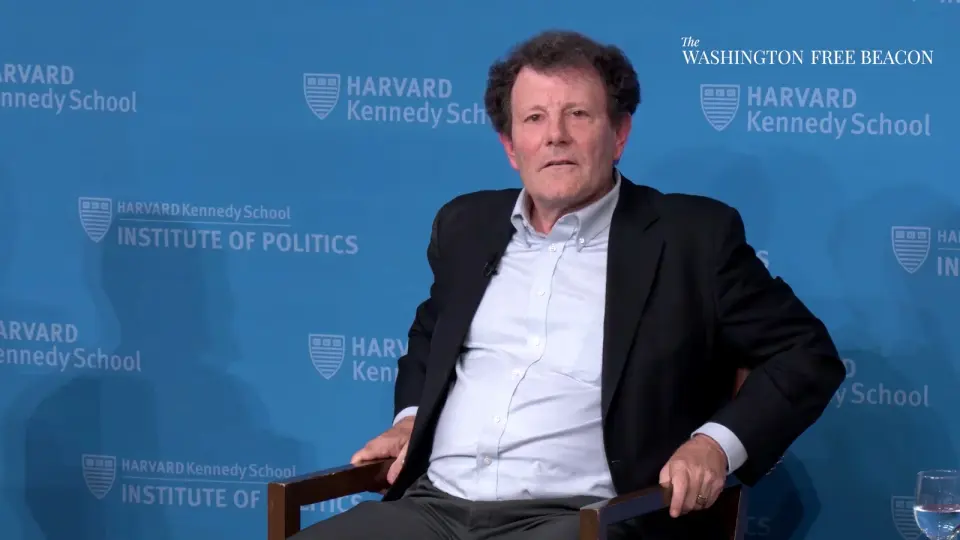
Nicholas Kristof defended his May 2026 report alleging that Israeli forces use trained dogs to commit sexual violence against Palestinians during a lecture at Harvard University. The claims, which have been widely debunked, sparked significant controversy, with Harvard initially facing pressure to cancel the event but ultimately proceeding under free-speech principles. Kristof argued that his reporting was solid because he heard similar allegations from multiple independent human rights groups. The incident has intensified debates over academic freedom, media accountability, and the handling of sensitive geopolitical narratives.
Key points
- Kristof defended his May 2026 New York Times column alleging that Israeli forces use trained dogs to rape Palestinians, stating that the reporting was credible because multiple independent human rights groups reported similar allegations.
- The lecture took place at Harvard University as part of the Malcolm H. Wiener Lecture in International Political Economy, moderated by Ned Price.
- Harvard Kennedy School had previously declined to cancel the lecture despite pressure from the Harvard Jewish Alumni Alliance, citing free-speech principles and stating that hosting controversial viewpoints does not constitute endorsement.
- The Harvard Jewish Alumni Alliance had demanded the withdrawal of Kristof’s invitation, publication of Wiener-honors criteria, and a pre-lecture meeting, but these requests were not fulfilled by the university.
- The controversy has reignited debates over media accountability, academic freedom, and the handling of unverified claims in sensitive geopolitical contexts.
Background
In mid-September 2026, Harvard University faced significant pressure from the Harvard Jewish Alumni Alliance to cancel Nicholas Kristof’s scheduled lecture due to his May 2026 New York Times column alleging that Israeli forces use trained dogs to commit sexual violence against Palestinians. The Harvard Kennedy School declined to cancel the event, arguing that doing so would undermine free-speech principles and that hosting controversial viewpoints does not equal endorsement. The lecture was rescheduled by one day, but the university did not fulfill the Alliance’s demands for the withdrawal of the invitation, publication of Wiener-honors criteria, or a pre-lecture meeting. This incident follows a broader pattern of debates over academic freedom and media accountability in sensitive geopolitical contexts.
How outlets are covering it
The Washington Free Beacon and National Review both highlight Kristof’s defense of his claims at the Harvard lecture, emphasizing that he argued the reporting was credible due to multiple independent human rights groups reporting similar allegations. However, the Free Beacon frames the incident as Kristof 'humiliating himself and Harvard' with 'libel,' while National Review notes that the claims are 'widely debunked.' Both outlets agree that the lecture sparked significant controversy, but they differ in their tone: the Free Beacon is more critical of Kristof and Harvard, while National Review focuses on the broader implications for media accountability and free speech. The Harvard Jewish Alumni Alliance, as reported in the archive, had demanded the cancellation of the lecture and other actions, but the university declined, citing free-speech principles. This highlights a divide between those who prioritize academic freedom and those who demand accountability for unverified claims.
Why it matters
This incident underscores the ongoing tensions between media accountability, academic freedom, and the handling of sensitive geopolitical narratives. Kristof’s defense of his claims at Harvard has reignited debates over the credibility of unverified allegations and the role of universities in hosting controversial speakers. The controversy also highlights the challenges faced by media outlets in balancing the need to report on sensitive issues with the responsibility to ensure accuracy. As the debate continues, it may have implications for future discussions on free speech, media ethics, and the handling of geopolitical conflicts in academic and public forums.
What to watch
The Harvard Jewish Alumni Alliance may continue to press for accountability, though the university has already declined to cancel the lecture or fulfill their demands. Kristof may face further scrutiny from media and academic communities over the credibility of his claims. The incident may also influence future debates on free speech and media accountability in sensitive geopolitical contexts. Additionally, the controversy could lead to increased scrutiny of how universities handle controversial speakers and the role of media in reporting on sensitive issues.
Want the full story? Read the original reporting
Read on freebeacon.com