
Archaeology Confirms Vikings Reached North America 500 Years Before Columbus
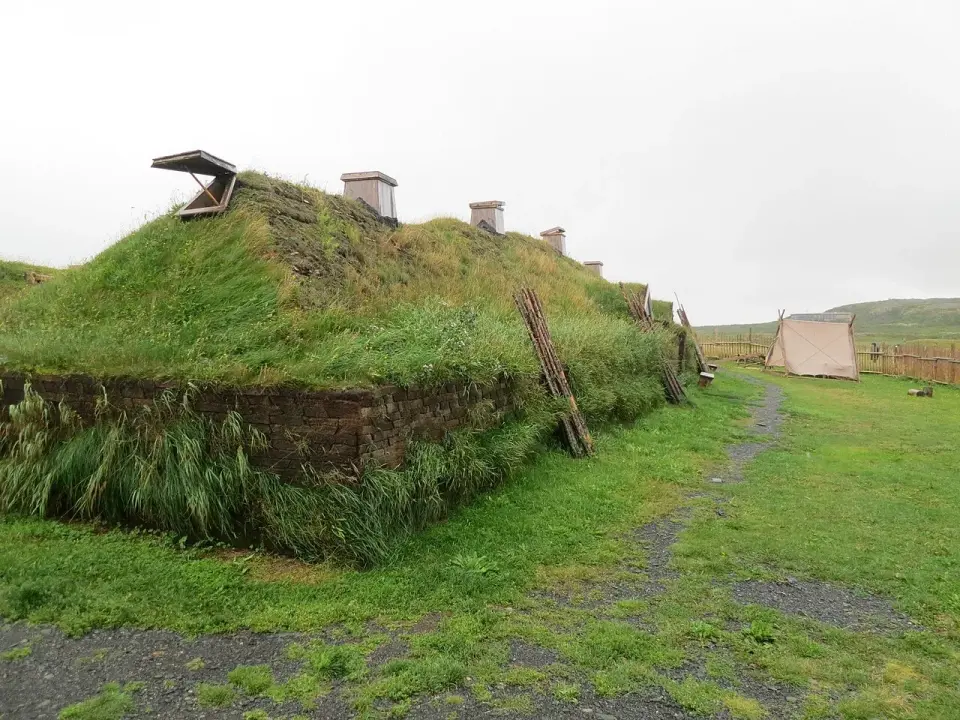
New archaeological dating confirms Norse explorers reached North America around 1000 CE, half a millennium before Columbus. The site at L'Anse aux Meadows in Newfoundland served as a base for further exploration, though the Norse presence was temporary and did not lead to permanent colonization.
Key points
- A 2021 study using new dating techniques confirmed Vikings occupied L'Anse aux Meadows in Newfoundland in 1021, establishing it as a base for exploring North America.
- Norse explorers, including Leif Eriksson, traveled from Greenland to North America, a journey recorded in Icelandic sagas that historians now recognize as historically reliable.
- Archaeological evidence suggests the Norse made occasional trips to North America for two to three centuries after their initial arrival, rather than a single isolated event.
- The Norse settlement in Greenland, established by Erik the Red, lasted for approximately 500 years before disappearing in the early 15th century.
- Historians debate whether Columbus knew of prior Norse voyages, with some suggesting he may have deliberately avoided the northern route to bypass known territories.
Background
Our archive notes that while Norse arrival in North America occurred around 1000 CE, their impact remained limited compared to Columbus's 1492 voyage, which triggered lasting colonization. Recent debates over Columbus Day highlight the contrast between fleeting Viking exploration and enduring imperial consequence. Additionally, new data suggests the Indigenous population in the Americas had already begun declining before European contact, complicating the narrative of 'empty' lands.
How outlets are covering it
The BBC and bdnews24.com emphasize the archaeological confirmation of Norse presence at L'Anse aux Meadows and the reliability of Icelandic sagas. The Washington Post focuses on the lack of credit given to Leif Eriksson compared to Columbus, noting that accounts of his voyage were known to Europeans in Columbus's time. All sources agree on the timeline but differ in emphasis: BBC and bdnews24 highlight the physical evidence and ongoing exploration, while the Washington Post questions the historical narrative and Columbus's potential awareness of prior voyages.
Why it matters
This confirmation reshapes the understanding of European contact with the Americas, highlighting that Norse exploration predated Columbus by half a millennium. It challenges the traditional narrative of Columbus as the 'discoverer' and underscores the importance of archaeological evidence in revising historical timelines. The temporary nature of Norse settlements also raises questions about the factors that led to their failure to establish permanent presence, contrasting with the lasting impact of later European colonization.
What to watch
Further archaeological research may uncover additional evidence of Norse presence in North America, potentially revealing more about their interactions with Indigenous peoples. Historians may continue to debate the extent of Norse knowledge and its influence on later European voyages, including Columbus's. The ongoing discussion around Columbus Day and historical narratives may also be influenced by this renewed focus on pre-Columbian European contact.
- Vikings Reached North America 500 Years Before Columbus, Archaeology Confirms GreekReporter.com
- 'They were people who took chances': The Vikings who reached the Americas 500 years before Columbus BBC
- He reached the Americas centuries before Columbus. Why doesn’t he get more credit? The Washington Post
- Norse explorers reached North America 500 years before Columbus sailed to the Americas bdnews24.com
- Columbus Didn’t Discover America. Why Does He Get the Holiday? Sri Lanka Guardian
Want the full story? Read the original reporting
Read on GreekReporter.com