
Kulbergs secures pro-Ukraine coalition path after decisive Latvian election win
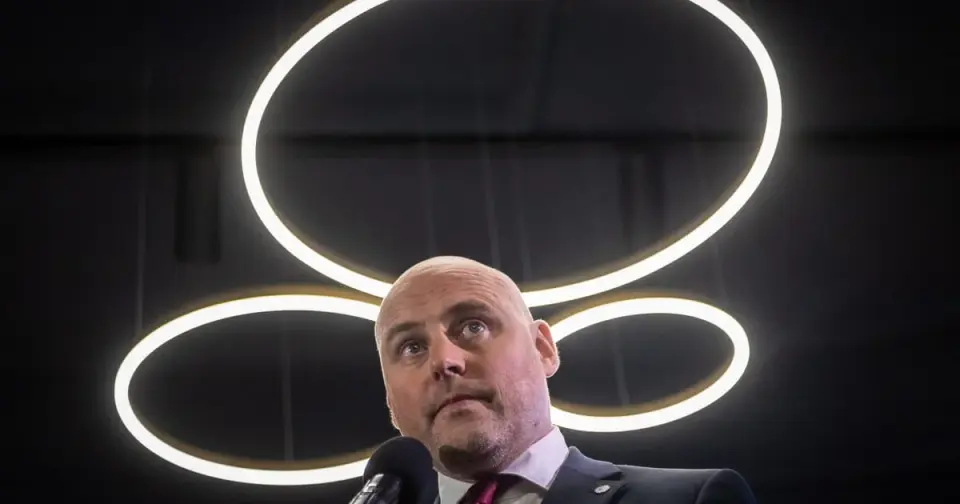
Latvian Prime Minister Andris Kulbergs’ United List party won the October 3 parliamentary election with 35.3% of the vote, securing 42 of 100 seats. This decisive victory, far exceeding pre-election polls, positions Kulbergs to form a pro-Ukraine government without needing support from far-right or pro-Russian factions. Turnout was 51.8%, with nearly 800,000 voters participating. The result ensures stability for Latvia’s defense and EU-aligned policies, despite challenges from inflation and migration.
Key points
- United List won 35.3% of the vote and 42 seats, finishing over 20 percentage points ahead of the far-right Latvia First party, which received 13.1% and 17 seats.
- Kulbergs’ coalition partners, National Alliance and New Unity, cleared the 5% threshold, allowing a majority government without the Union of Greens and Farmers, which failed to qualify.
- Pro-Russian parties, including Sovereign Power (11.7%, 14 seats) and traditional Russian-speaking groups like Harmony Center, remained below the threshold or marginalized, limiting their influence on policy.
- Kulbergs campaigned on maintaining 5% of GDP for defense spending and enhancing anti-drone capabilities, while opposing EU moves to delist Russian billionaires from sanctions lists.
- The election occurred amid high inflation, airBaltic uncertainty, and concerns over instrumentalized migration from Russia and Belarus, with Kulbergs having become PM in May after his predecessor resigned over stray drone strikes.
Background
This election marks Latvia’s 15th parliamentary vote since independence in 1991. Previous coverage highlighted a potential coalition crisis for Kulbergs, as his allies New Unity and the Union of Greens and Farmers were initially seen as struggling to clear the 5% threshold, possibly forcing an alliance with pro-Kremlin figures. The collapse of traditional Russian-speaking parties, such as Harmony Center and For Stability!, has left Russian-speaking voters without a clear pro-EU political home, as noted in earlier analyses of Latvia’s fragmented political landscape for this demographic.
How outlets are covering it
Politico emphasized the strategic significance of Kulbergs’ victory for maintaining a pro-Ukraine coalition, highlighting his opposition to delisting Russian oligarchs from EU sanctions. Al Jazeera focused on the quantitative results, noting the wide margin over far-right and pro-Russian parties, and the low turnout of 51.8%. Meduza provided a deeper sociological analysis, arguing that the fragmentation of Russian-speaking political representation leaves pro-Ukraine Russian speakers without a viable political home, as traditional parties have collapsed and new populist groups like Latvia First and Sovereign Power prioritize anti-Western rhetoric over language rights. While all sources agree on the outcome, Meduza uniquely highlights the long-term political vacuum for Russian speakers, whereas Politico and Al Jazeera focus on the immediate governance implications for Latvia’s foreign policy alignment.
Why it matters
Kulbergs’ victory solidifies Latvia’s pro-Ukraine and pro-NATO stance, ensuring continued support for Kyiv and high defense spending. It prevents pro-Russian or far-right factions from influencing policy, despite their increased representation. The result also stabilizes Latvia’s position within the EU, particularly regarding sanctions against Russia, and addresses domestic concerns like inflation and migration. However, the fragmentation of Russian-speaking political representation may lead to long-term social tensions, as pro-EU Russian speakers lack a political voice, potentially fueling resentment or radicalization.
What to watch
Kulbergs will negotiate with National Alliance and New Unity to form a majority government, likely excluding the Union of Greens and Farmers. He will focus on implementing defense and anti-drone policies, maintaining 5% of GDP for defense, and opposing any EU moves to ease sanctions on Russia. The government will also address inflation, airBaltic stability, and migration issues. Pro-Russian parties, though marginalized, may continue to challenge policies, while the lack of a pro-EU Russian-speaking party could lead to further political fragmentation or social unrest among this demographic.
- Latvian PM’s election win boosts chances for pro-Ukraine coalition politico.eu
- Latvian PM on track to lead pro-Ukraine coalition after election win Reuters
- Latvia’s governing party wins parliamentary elections by wide margin Al Jazeera
- Latvia election: Pro-Ukraine PM Kulbergs set to retain power after historic victory for his party DW.com
- Russian-speaking Latvians who back Ukraine and value their language are heading into an election without an obvious political home Meduza
Want the full story? Read the original reporting
Read on politico.eu