
Ukraine’s First FP-7 Ballistic Strike Marks Start of New War Phase
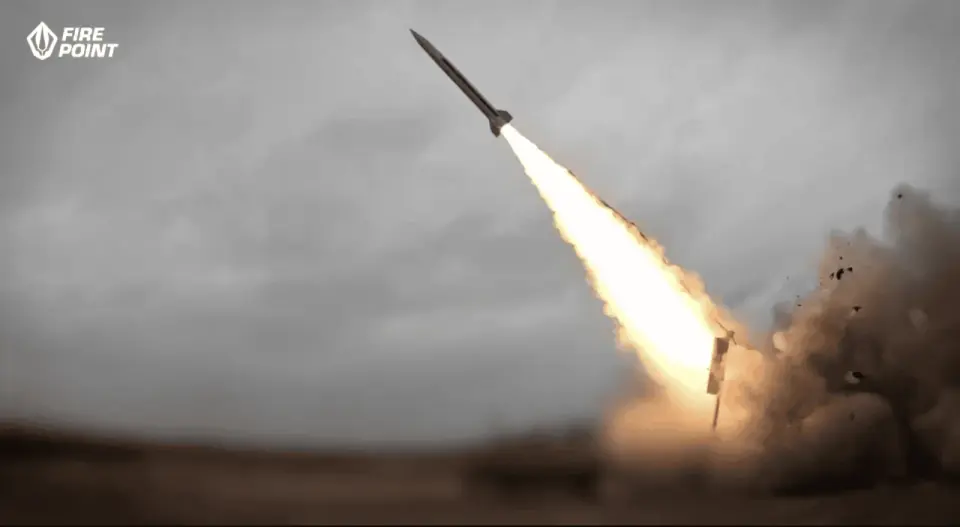
Ukraine confirmed the first combat use of its domestically produced FP-7 tactical ballistic missile on October 1, 2026. President Volodymyr Zelensky announced the launch, which targets Russian infrastructure, while highlighting the upcoming FP-9 model capable of reaching Moscow. This development signals a shift to a 'ballistic phase' in the conflict, where both sides utilize hard-to-intercept missiles. Concurrently, Ukraine is developing the FP-7.X interceptor to defend against Russian Iskander strikes, aiming for operational capability by mid-2027.
Key points
- Zelensky confirmed the first combat launch of the Fire Point FP-7 ballistic missile on October 1, 2026, without specifying the exact target or damage caused.
- The FP-7 has a range of approximately 250 km and carries a 200 kg warhead, making it significantly cheaper than US ATACMS systems but harder to intercept due to its speed.
- The longer-range FP-9, with an 850 km range and 800 kg warhead, is expected to be ready by the end of autumn 2026, potentially allowing strikes on Moscow.
- Fire Point is developing the FP-7.X, a surface-to-air variant, as part of the European Freyja missile defense program, with the first interception test targeted for mid-2027.
- Ukraine is facing a critical defense gap, having run out of Patriot interceptors, and is relying on electronic warfare and new domestic interceptors to counter Russian Iskander ballistic missiles.
Background
Ukraine has been developing ballistic missile capabilities for over a year to counter Russian Iskander strikes, which have intensified attacks on Ukrainian cities and infrastructure. Previous reports indicated the FP-7 was in final testing stages, with initial strikes expected in autumn. The development of these systems, costing approximately $200 million for the FP-7 alone, represents a significant shift in Kyiv's independent strike capabilities, moving from reliance on imported systems to indigenous production. This comes amid a broader context of Ukraine's struggle to defend against Russian drone and missile attacks, particularly as winter approaches and energy infrastructure becomes a primary target.
How outlets are covering it
Euromaidan Press emphasizes the strategic shift to a 'ballistic phase' where both sides can bombard each other with hard-to-intercept missiles, highlighting the FP-7's role in retaliation and the FP-7.X's defensive potential. The Ukrainian Pravda focuses on Zelensky's urgency regarding the FP-9's readiness, noting his direct communication with Fire Point to accelerate development, and highlights the critical shortage of 20mm ammunition for fighter jets. The Guardian provides a broader context, linking the FP-7 launch to ongoing Ukrainian strikes on Russian oil refineries and the international implications, including Trump's concerns about diesel shortages and G20 discussions on food supply targeting. While all sources confirm the FP-7's combat use, Euromaidan Press and The Guardian stress the defensive limitations of the FP-7 against Russian Iskanders, whereas Ukrainian Pravda highlights the offensive potential of the upcoming FP-9.
Why it matters
The deployment of the FP-7 marks a pivotal moment in the war, indicating Ukraine's growing capacity to strike deep into Russian territory with indigenous weapons. This could alter the balance of power by forcing Russia to divert resources to defense and potentially disrupting its military logistics. The upcoming FP-9, capable of reaching Moscow, introduces a new level of strategic threat, while the development of the FP-7.X interceptor addresses Ukraine's critical vulnerability to Russian ballistic attacks. These developments may influence international negotiations and the broader geopolitical landscape, as they demonstrate Ukraine's ability to sustain and escalate the conflict independently.
What to watch
Ukraine is expected to scale up production of the FP-7 and prepare for the deployment of the FP-9 by the end of autumn 2026. The first test of the FP-7.X interceptor is scheduled for mid-2027, which could significantly enhance Ukraine's air defense capabilities. In the short term, Ukraine is likely to continue striking Russian oil refineries and other strategic targets, while also enhancing electronic warfare capabilities to counter Russian drones. The international community will monitor the impact of these strikes on global fuel prices and supply chains, as well as the potential for further escalation in the conflict.
- Ukraine fired its first FP-7 ballistic missile in combat. Its maker says next version will do what Ukraine needed since 2022 Euromaidan Press
- Ukraine Reports First Combat Use of Its Own Ballistic Missile The New York Times
- Zelenskyy: FP-9 ballistic missile capable of reaching Moscow will be ready this autumn Українська правда
- Ukraine war briefing: Zelenskyy says new ballistic missile used in combat The Guardian
- Ukraine Fires Hard-to-Stop Ballistic Missile for First Time WSJ
Want the full story? Read the original reporting
Read on Euromaidan Press