
Labour’s Conference High Masks Looming Budget Crisis
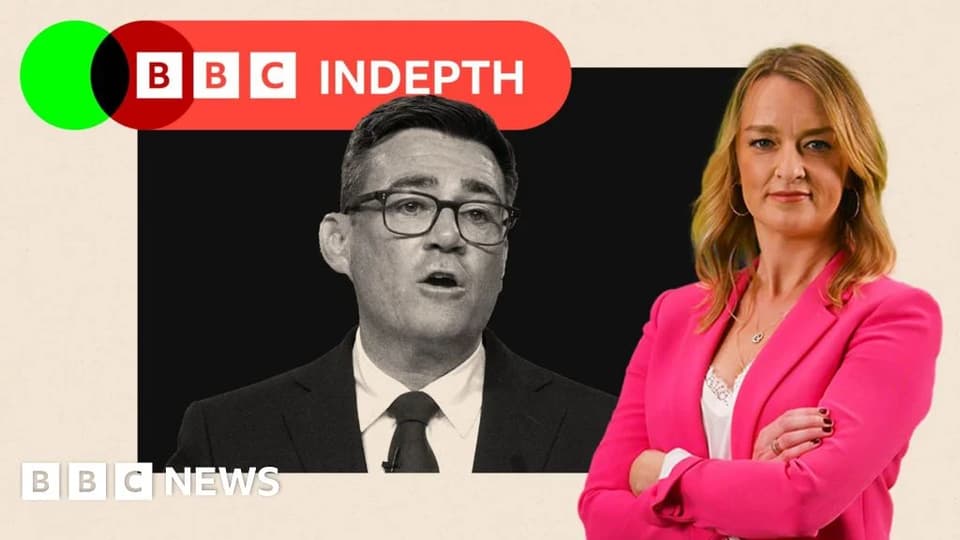
Andy Burnham’s leadership has revitalized Labour’s internal morale and polling, but the party faces severe economic headwinds. With the Budget approaching in a month, tensions rise between growth-focused critics and spending advocates, as external factors like energy costs threaten to erode the current 'feel-good' atmosphere.
Key points
- Labour’s internal mood has improved significantly under Andy Burnham, with no signs of revolt against the leader and rising approval ratings among MPs and ministers.
- The party is preparing for its annual conference, where Burnham is expected to emphasize social justice, public control, and re-industrialization, though specific policy details remain vague.
- Chancellor John Healey faces intense pressure to deliver the Budget within a month, with internal estimates suggesting a choice between £10 billion in cuts or tax rises.
- External economic pressures, including rising energy bills predicted to increase by £500 next year and ongoing geopolitical conflicts, threaten to undermine the party’s positive momentum.
- Former Business Secretary Peter Kyle and other critics argue that Burnham’s focus on spending rather than economic growth is insufficient, warning that the government must prioritize productivity to sustain public services.
Background
This analysis follows the recent transition of power within Labour, where Andy Burnham replaced Keir Starmer as leader. Previous coverage in August 2026 focused on unrelated corporate scandals, but the current political landscape is defined by Burnham’s 'soft coup' and the subsequent shift in party dynamics. The archive does not provide direct background on the current economic situation, but the focus on Labour’s internal cohesion and external economic threats marks a distinct shift from earlier corporate-focused stories.
Why it matters
The contrast between Labour’s internal optimism and the impending economic reality highlights the fragility of political popularity. If the Budget fails to address rising costs and growth concerns, the current 'feel-good' factor may quickly dissipate, potentially leading to a loss of public support and internal party divisions. This moment tests whether Burnham’s leadership can translate rhetoric into tangible economic stability.
What to watch
Labour is expected to announce policies on housing and defence in the coming days. The Budget, due within a month, will be the critical test of the government’s economic strategy. Public reaction to energy price increases and inflation will likely determine whether the current positive sentiment persists or turns into disillusionment.
Want the full story? Read the original reporting
Read on BBC