
Latvia’s 2026 Election: Pro-Ukraine PM Faces Coalition Crisis as Russian-Speaking Voters Fragment
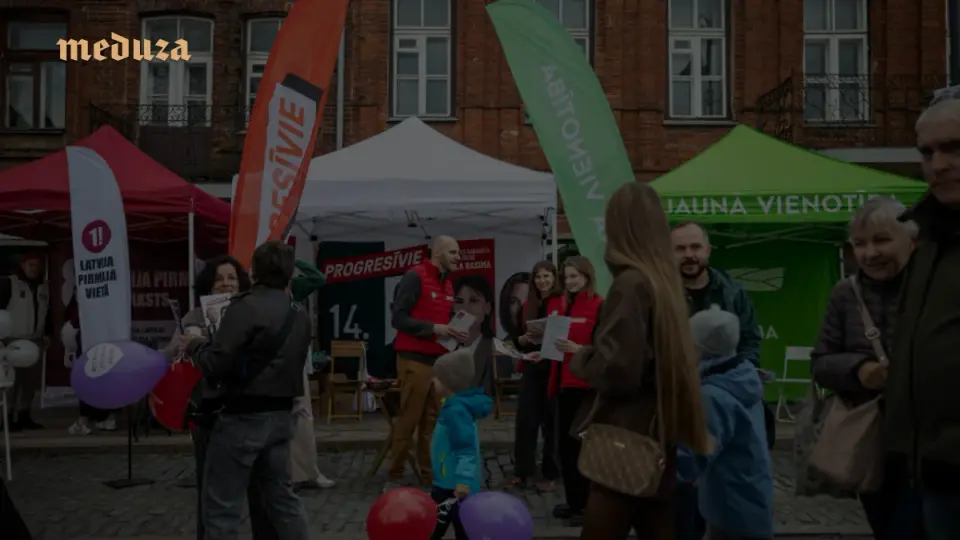
Latvians voted on October 3 for their 15th parliament, with Prime Minister Andris Kulbergs’ United List leading polls at approximately 20%. However, his coalition partners, New Unity and the Union of Greens and Farmers, are struggling to clear the 5% threshold. This creates a potential crisis for Kulbergs, who may need to negotiate with populist rival Ainārs Šlesers. Simultaneously, traditional parties representing Russian speakers have collapsed, leaving pro-Ukraine Russian-speaking citizens without a clear political home as they navigate language rights and security concerns.
Key points
- Andris Kulbergs’ United List leads polls at 20%, but allies New Unity and ZZS risk failing the 5% threshold, potentially forcing a coalition with controversial figure Ainārs Šlesers.
- The traditional 'Russian' party Harmony failed to enter parliament in 2022, and its successor, For Stability!, dissolved its faction in February 2026 after its leader fled to Belarus.
- New parties like Sovereign Power/Young Latvians and Latvia First are competing for the Russian-speaking vote, but their pro-populist and anti-war rhetoric alienates pro-Ukraine Russian speakers.
- Kulbergs recently lost a battle in the EU to delist two Russian billionaires from sanctions, though he secured a three-year extension of the broader sanctions regime.
- Nearly 35% of Latvians speak Russian at home, but no single party can unite this demographic, leaving pro-European Russian speakers without a viable voting option.
Background
This election follows a period of significant political fragmentation for Latvia’s Russian-speaking population. Since 2022, the Harmony party, which previously dominated this electorate, has lost power and failed to clear electoral thresholds. The collapse of For Stability! in early 2026 further fragmented the landscape. Background from our archive indicates that Latvian politics is increasingly defined by security fears regarding Russia and a cost-of-living crisis, with Kulbergs’ government facing backlash over stray Ukrainian drone strikes and high inflation. The current election tests the pro-Ukraine consensus while navigating the complex issue of Russian language rights and hybrid threats from Moscow.
How outlets are covering it
Meduza emphasizes the structural collapse of political representation for Russian speakers, noting that while new parties like Latvia First and Sovereign Power are winning seats, they adopt populist and pro-Russia stances that alienate pro-Ukraine Russian citizens. Meduza highlights that no new party has emerged to represent Russian speakers who support Ukraine and value their language. In contrast, Politico focuses on the immediate coalition crisis for Prime Minister Kulbergs, framing the election as a test of his pro-Ukraine stance against the economic and political influence of Ainārs Šlesers. Politico notes that Kulbergs’ recent loss in the EU sanctions standoff over Russian billionaires may impact his coalition options, while Meduza details the historical fragmentation of Russian-speaking parties since 1991. Both sources agree that the 5% threshold is a critical barrier for Kulbergs’ allies, but Meduza provides deeper historical context on the failure of parties like Harmony and ZaPChEL to form governing coalitions, while Politico focuses on the current tactical negotiations and the potential for a compromise with Šlesers.
Why it matters
The outcome of this election will determine whether Latvia maintains its pro-Ukraine stance and strong EU sanctions regime or shifts toward a more populist, pro-Russia position. The fragmentation of Russian-speaking voters into parties that either support Russia or adopt anti-war rhetoric could marginalize pro-European Russian citizens and weaken the pro-Ukraine consensus. Additionally, the potential coalition between Kulbergs and Šlesers could impact Latvia’s economic policies, particularly regarding trade with Russia and the Port of Riga, which has been affected by EU sanctions. The election also tests the resilience of Latvian democracy in the face of Russian hybrid threats and internal political divisions over language and identity.
What to watch
The results of the October 3 election will determine the composition of the new Saeima and the feasibility of Kulbergs’ coalition. If New Unity and ZZS fail to clear the 5% threshold, Kulbergs may need to negotiate with Ainārs Šlesers, who has advocated for expanding trade with Russia. The formation of a new government will also impact Latvia’s foreign policy, particularly regarding EU sanctions and support for Ukraine. In the long term, the election may lead to the emergence of new political parties or movements that can represent Russian-speaking citizens who support Ukraine and value their language, or it may further marginalize this demographic. The outcome will also influence Latvia’s relations with the EU and its ability to navigate the complex issues of language rights, security, and economic policy in the context of the ongoing war in Ukraine.
- Russian-speaking Latvians who back Ukraine and value their language are heading into an election without an obvious political home Meduza
- Latvians head to the parliamentary elections with Russia on their minds DW.com
- Latvians vote in election in shadow of drone incursions and war in Ukraine Reuters
- Latvian PM faces bittersweet victory in election backdropped by Russia politico.eu
- Latvian Leader Poised for Re-Election in Vote Shadowed by Putin Bloomberg.com
Want the full story? Read the original reporting
Read on Meduza