
Lula Secures Fourth Term After Digital Comeback, Faces Fraud Claims
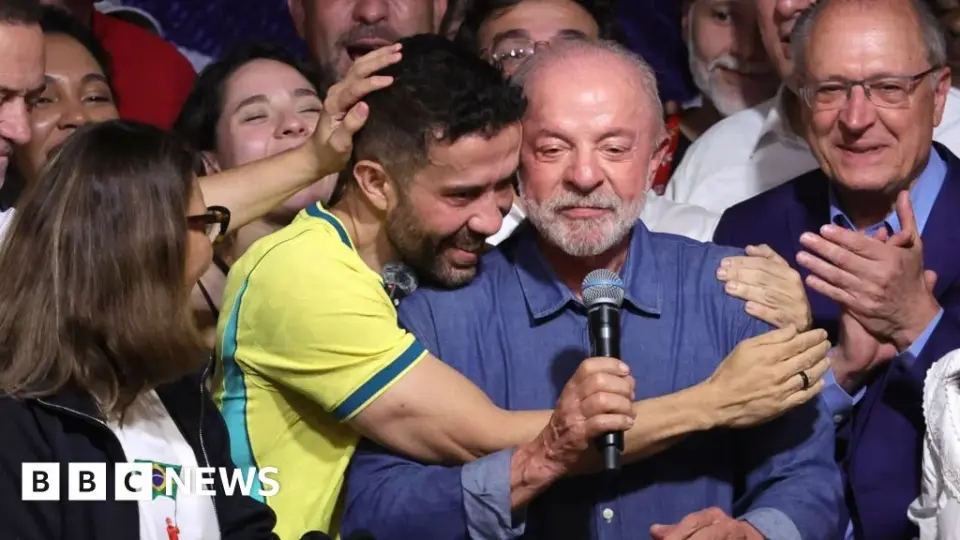
Brazilian President Luiz Inácio Lula da Silva won a fourth non-consecutive term after a dramatic 21-day comeback, defeating Flávio Bolsonaro by 4.4 million votes. A massive WhatsApp mobilization effort, led by lawmaker André Janones, is credited with shifting the tide. However, the result faces legal challenges from Bolsonaro and skepticism from US President Donald Trump, who alleged the vote was rigged without providing evidence.
Key points
- Lula won the runoff with over 64 million votes, defeating Bolsonaro who received just under 60 million.
- The campaign pivoted to an aggressive digital strategy after a first-round loss, utilizing a WhatsApp channel called 'Lula's Army' with nearly 11 million subscribers.
- An additional 14.1 million voters participated in the second round, with analysts estimating three-quarters supported Lula.
- Brazil's electoral court ordered Meta to ensure equal treatment of candidates, addressing allegations of algorithmic bias favoring the right.
- Flávio Bolsonaro pledged to seek nullification of the results, while Trump questioned the integrity of the vote.
Background
This follows a period where Lula appeared to be losing momentum after the first round. Previous coverage noted that while digital efforts were crucial, grassroots mobilization and messaging shifts also played a role. The current situation involves a certified victory pending final certification on December 18, amidst ongoing disputes over electoral fairness.
How outlets are covering it
The Washington Post emphasizes the strategic pivot, noting that Lula's advisers recognized the need for social media engagement to achieve a comeback. The Times of India highlights the specific mechanism of the 'Lula's Army' channel and the role of platform pressure, citing experts who argue Meta's algorithms initially favored Bolsonaro. BBC questions the extent of the WhatsApp channel's influence, suggesting it may be one factor among many. All sources agree on the narrow margin of victory and the subsequent controversy, but differ on the primary driver of the turnaround, with some attributing it to digital strategy and others to broader grassroots efforts.
Why it matters
The outcome determines the political direction of Brazil for the next four years. The controversy over the election's integrity, fueled by claims from both domestic opponents and foreign leaders, could impact international perceptions of Brazilian democracy and potentially lead to legal challenges that delay the transition of power.
What to watch
Lula is expected to take office on January 5, 2027. Flávio Bolsonaro plans to organize opposition in the legislature and seek to nullify the results through the electoral court. The final certification of the vote is scheduled for December 18, 2026.
- Brazil elections: Did a WhatsApp channel help get Lula re-elected? BBC
- 21 days: Inside Lula’s race to resurrect his campaign — and go viral The Washington Post
- With his first smartphone, Lula seeks to catch up to Brazil's online generation Reuters
- Brazilian lawmaker Andre Janones, Lula's social media 'general' Yahoo
- How a WhatsApp channel called ‘Lula’s Army’ became a force in Brazil election The Times of India
Want the full story? Read the original reporting
Read on BBC