
Lula Secures Historic Fourth Term in Brazil, Defying First-Round Deficit
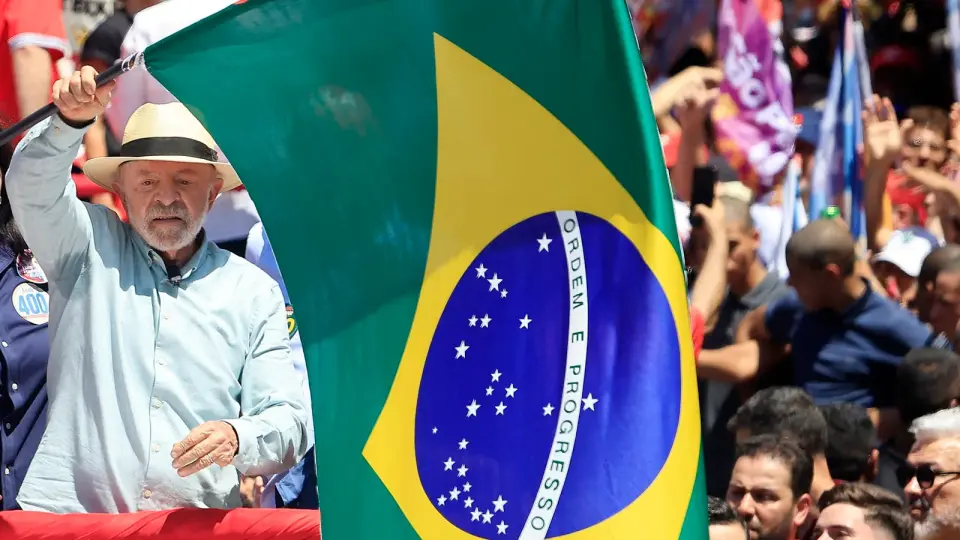
Luiz Inácio Lula da Silva won an unprecedented fourth term as Brazil's president, securing 51.8% of the vote in a runoff against Senator Flávio Bolsonaro. The 80-year-old incumbent reversed a first-round deficit to block a rightward shift in Latin America, though he faces significant fiscal challenges and a Congress dominated by Bolsonaro's party.
Key points
- Lula won 51.8% of valid votes to Bolsonaro's 48.2%, marking the first time since 1989 a candidate won the final runoff after losing the first round.
- The election was marred by allegations of voter suppression, including suspended public transport in key areas, prompting the Superior Electoral Court to extend voting by two hours.
- Lula faces a challenging economic landscape, with gross public debt reaching 82.9% of GDP in August, the highest since March 2021.
- The iShares MSCI Brazil ETF plunged nearly 20% in overnight trading following the result, as analysts had expected a rally under Bolsonaro's fiscal austerity promises.
- Lula's victory blocks a rightward shift in Latin America that U.S. President Donald Trump had supported, though he must govern with a Congress where Bolsonaro's Liberal Party holds the largest bench.
Background
The 2026 Brazilian presidential election was characterized by deep polarization and economic anxiety. Prior to the runoff, Lula had secured a major labor victory by abolishing the six-day workweek, a move that boosted his momentum. The race was also influenced by the potential release of Jair Bolsonaro, who is serving a 27-year sentence for coup plotting, and concerns over foreign interference and U.S. tariffs.
How outlets are covering it
CNBC emphasized the historic nature of Lula's comeback and the immediate negative market reaction, highlighting the fiscal risks and the political gridlock he faces. Politico focused on the democratic implications, noting that Lula's victory denied U.S. President Trump greater sway over Latin America's largest economy. Both outlets agreed on the narrow margin of victory but differed in their emphasis on the economic versus geopolitical consequences.
Why it matters
Lula's fourth term signals a continued left-wing influence in Latin America, countering U.S. preferences for right-wing alliances. However, his victory also sets the stage for intense political battles, as he must navigate a Congress dominated by his rival's party and address a worsening fiscal situation with high public debt.
What to watch
Lula is set to govern from 2027 to 2030. He will need to stabilize Brazil's public debt and manage a Congress where Bolsonaro's Liberal Party holds the largest bench. The market will likely continue to react to his policy decisions, particularly regarding fiscal austerity and deregulation.
- Brazil's Lula takes early lead in presidential runoff vote CNBC
- Brazil Election Live Updates: Lula Wins Re-Election, Fending Off Flávio Bolsonaro The New York Times
- Global leaders react to Brazil President Lula's reelection Reuters
- Brazil's Lula wins presidential election in runoff vote CNBC
- Lula wins reelection in historic runoff, setting up tense political battle Politico
Want the full story? Read the original reporting
Read on CNBC