
Merz vows to stay as CDU faces historic collapse in eastern Germany
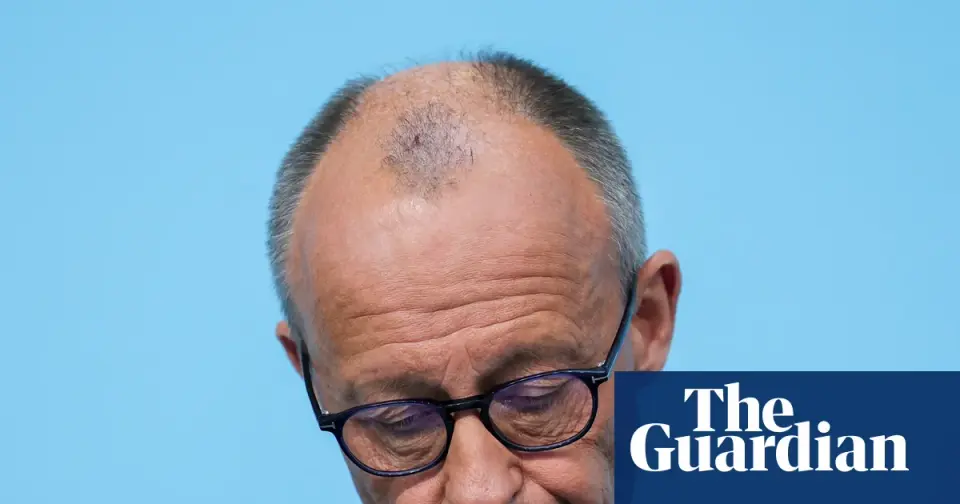
German Chancellor Friedrich Merz has rejected calls to resign after his Christian Democratic Union (CDU) suffered catastrophic losses in two state elections. The AfD won the most votes in Mecklenburg-Vorpommern, while the CDU failed to enter the state parliament. In Berlin, the far-left Linke party took the lead. Merz insists his coalition will continue, citing the need to protect Germany's democratic future despite widespread voter dissatisfaction.
Key points
- Friedrich Merz held an emergency meeting with CDU leaders on Monday to secure support after the party lost more than half its voters in Mecklenburg-Vorpommern.
- The CDU failed to reach the 5% threshold required to enter the Mecklenburg-Vorpommern state parliament, a historic first for the party in that region.
- The AfD secured 38% of the vote in Mecklenburg-Vorpommern, marking its third consecutive state victory in the former East German bloc.
- In Berlin, the CDU finished second behind the far-left Linke party, which is on track to form the next city government.
- Merz dismissed speculation about his removal, stating that the results reflect a broader transformation of the political system rather than personal failure.
Background
This latest defeat follows the AfD's strong performance in Saxony-Anhalt two weeks prior, where the party won 44% of the vote. Previous coverage noted that while the AfD achieved historic regional gains, mainstream parties have maintained a 'firewall' against coalitionizing with them. The current crisis intensifies concerns about the stability of the federal government, which has faced criticism for its unpopular reform agenda, including pension overhauls and tax cuts.
How outlets are covering it
The Guardian and BBC agree that Merz is clinging to power despite 'disastrous' results, with the Guardian noting the CDU's ejection from the Mecklenburg parliament as a shock to a former stronghold. The BBC highlights Merz's argument that the results signal a global shift in party systems, not just a personal rebuke. The AfD, represented by co-leader Alice Weidel and candidate Leif-Erik Holm, predicts Merz will be out of office within months. Conversely, SPD coalition partners, including Deputy Chancellor Lars Klingbeil, argue that breaking the coalition would be 'lethal' and that reforms must continue, albeit with a 'reality check' on their fairness. The Kremlin also weighed in, attributing the AfD's success to Berlin's refusal to buy cheap Russian gas, a claim rejected by German officials.
Why it matters
The collapse of the CDU in eastern Germany signals a potential shift in the balance of power ahead of the 2029 federal election. If the AfD continues to gain ground in former East German states, it could challenge the postwar political consensus. For Merz, the inability to retain support in key regions threatens his ability to push through necessary economic reforms, potentially leading to a fragmented political landscape and increased polarization in Germany.
What to watch
Merz will likely attempt to adjust his communication strategy and reform agenda to regain voter confidence, as suggested by CDU deputy Karin Prien. The SPD is expected to form a three-party coalition in Mecklenburg-Vorpommern, led by Manuela Schwesig. In Berlin, the Linke party will seek to form a government, potentially appointing Elif Eralp as the first Turkish-born mayor. The next major test for Merz will be the federal election in 2029, though internal party pressure may force a leadership change before then.
- German chancellor clinging to power after another loss to far-right AfD theguardian.com
- Far-right AfD wins again as Germany's Merz slides Axios
- Merz vows to keep ruling coalition together for sake of Germany's 'democratic future' BBC
- Five takeaways from Germany's regional elections Reuters
- German chancellor stands his ground after his party loses in state elections NPR
Want the full story? Read the original reporting
Read on theguardian.com