
Netanyahu trial judges urge dropping Case 4000, question Case 2000 charges
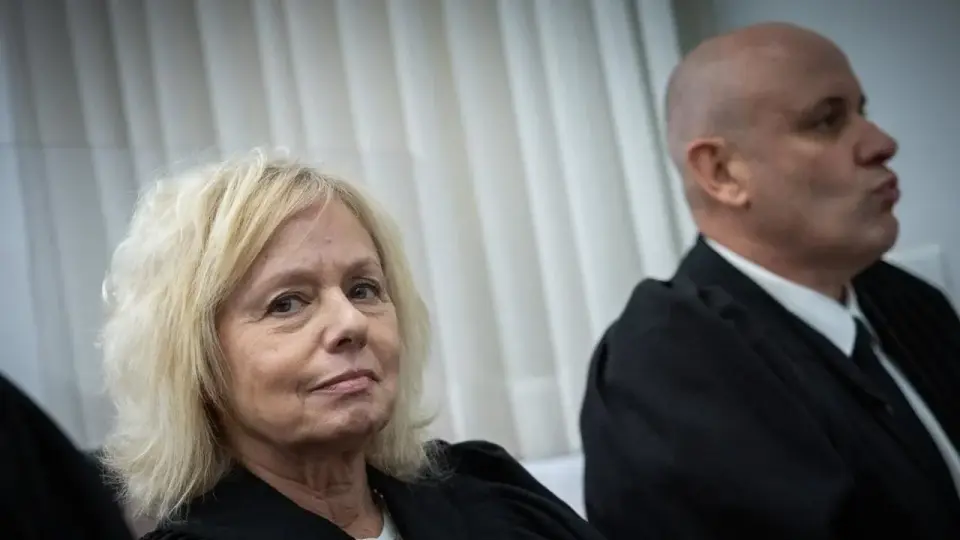
The Jerusalem District Court panel urged prosecutors to consider dropping the bribery charge in Case 4000 against Prime Minister Benjamin Netanyahu, citing low prospects of conviction. Judges also questioned the legal basis of Case 2000 and proposed a procedural route to conclude Case 1000. Attorney-General Gali Baharav-Miara appeared for the first time to defend the prosecution, while coalition negotiations continue in the background.
Key points
- Judges Rivka Friedman-Feldman, Moshe Bar-Am, and Oded Shaham stated that the public interest requires a rethink of Case 4000, noting that the prospects of conviction are low.
- The panel questioned whether the conduct alleged in Case 2000 constitutes a criminal offense, specifically doubting the evidence regarding 'unusual responsiveness' to media coverage requests.
- Attorney-General Gali Baharav-Miara defended the prosecution team, stating that the court's comments would be examined, and outlined two paths to conclusion: a verdict or an agreement.
- Defense attorney Amit Hadad proposed a closed-door meeting with the Attorney-General to discuss a possible criminal mediation agreement.
- The judges emphasized that their remarks are not a verdict and apply only to Netanyahu, not to other defendants like Shaul and Iris Elovitch.
- A practical time constraint exists as Judge Friedman-Feldman is due to retire in March 2028, adding urgency to concluding the trial.
Background
The trial began in May 2020, with Netanyahu facing fraud, breach-of-trust, and bribery charges across three cases. He has consistently denied wrongdoing. Previous judicial recommendations in June 2023 and June 2026 had urged reconsideration of the bribery charge, but this latest statement is more explicit about the low likelihood of conviction in Case 4000.
How outlets are covering it
The Jerusalem Post reports the judicial panel's detailed legal doubts regarding the evidence in Cases 4000 and 2000, highlighting the Attorney-General's defense of the prosecution team. The Times of Israel focuses on the political reaction, noting that coalition ministers like Itamar Ben Gvir and Yariv Levin welcomed the court's stance, describing the cases as 'collapsing' and framing the trial as a political persecution. While JPost emphasizes the legal procedural aspects and the Attorney-General's involvement, ToI highlights the political significance within the context of ongoing coalition negotiations between Likud and Yashar party.
Why it matters
The judges' explicit doubt regarding the viability of the charges could lead to the dismissal of key counts or a plea agreement, potentially ending the trial before a verdict. This development has significant political implications, as it may influence the formation of a new government and the stability of the current coalition, which is currently negotiating with Gadi Eisenkot's Yashar party.
What to watch
Prosecutors must decide whether to drop the Case 4000 count or present a structured legal argument for Case 2000. The defense and Attorney-General may engage in closed-door mediation talks. The trial must also navigate the procedural route for Case 1000, including potential testimony from James Packer abroad, before Judge Friedman-Feldman's retirement in March 2028.
- Benjamin Netanyahu trial judges suggest dropping Case 4000 with Attorney-General in attendance The Jerusalem Post
- Netanyahu Trial Judges Urge Two Cases be Shelved or Reviewed Bloomberg
- Ministers welcome court’s position in Netanyahu trial: ‘Cases are collapsing’ The Times of Israel
- Judges Propose AG Drop Netanyahu Bribery Charge and Reconsider Parts of Other Case Haaretz
- Background: Case against Netanyahu has been going on for a decade The Times of Israel
Want the full story? Read the original reporting
Read on The Jerusalem Post