
Netanyahu’s Unity Bid Exposes Deep Rifts Within United Torah Judaism
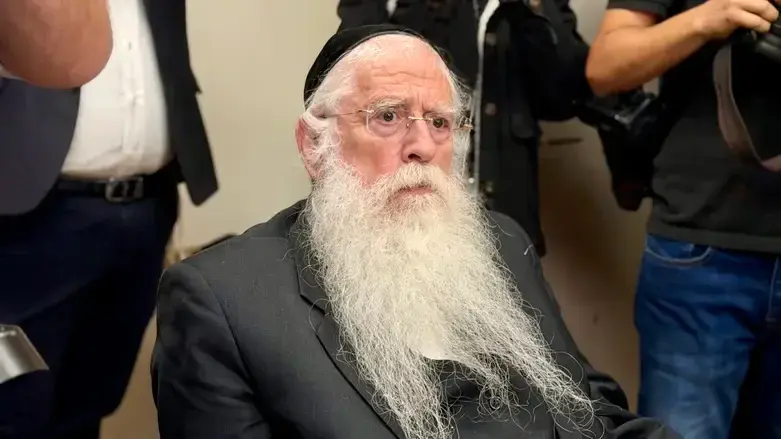
Prime Minister Benjamin Netanyahu’s Saturday evening proposal for a rotational unity government with Gadi Eisenkot has fractured United Torah Judaism (UTJ). While MK Meir Porush publicly supported the move, a senior party official condemned Netanyahu for abandoning his coalition partners. Simultaneously, Ra’am leader Mansour Abbas clarified his party’s role in the emerging opposition bloc, and Yisrael Beiteinu’s Avigdor Liberman signaled openness to a government backed by ultra-Orthodox parties.
Key points
- Netanyahu proposed a unity government with Gadi Eisenkot, offering to serve second in a rotational arrangement, which sparked immediate internal conflict within UTJ.
- MK Meir Porush supported Netanyahu’s initiative, calling it the preferred option given security threats, and urged Eisenkot to respond to the call for unity.
- A senior UTJ official criticized Netanyahu for double standards, accusing him of abandoning the haredi public and Ben-Gvir to keep Likud in power, specifically regarding the Draft Law on conscription.
- Ra’am leader Mansour Abbas stated his party is operating as part of the would-be coalition bloc but does not intend to manage Israel’s foreign or security policy.
- Yisrael Beiteinu’s Avigdor Liberman reversed his stance, indicating openness to a government with a Jewish majority that includes UTJ and possibly Ra’am, while criticizing negotiations with Netanyahu.
Background
United Torah Judaism is a Haredi political alliance formed in 1992, consisting of Agudat Yisrael and Degel HaTorah. The party previously split in 2004 over coalition disagreements but reconciled in 2006. UTJ won 7 seats in the 2022 Israeli legislative election. The current political landscape follows the collapse of the 36th government (Bennet-Lapid rotation) in 2022, which led to Netanyahu’s return to power. The 2021 unity government had included Bennett and Lapid, who rotated positions, but Bennett retired from politics after that term. The current crisis highlights the tension between Netanyahu’s right-wing coalition and the haredi parties’ demands regarding conscription and religious autonomy.
How outlets are covering it
Israel National News highlights the internal division within UTJ, contrasting Porush’s support for Netanyahu with a senior official’s sharp criticism of his 'double standards.' The Times of Israel focuses on Ra’am’s position, with Mansour Abbas clarifying that his party is part of the coalition bloc but does not seek to control foreign policy, addressing concerns about Arab parties in government. Ynetnews emphasizes Liberman’s reversal, noting his openness to a government with UTJ and Ra’am, while criticizing Netanyahu’s legitimacy. The outlets differ in emphasis: INN focuses on the haredi split, ToI on the Arab party’s role, and Ynet on the broader coalition dynamics including Liberman’s shift.
Why it matters
The rift within UTJ could determine the viability of a new government. If the party fractures, it may weaken the opposition bloc led by Eisenkot or force Netanyahu to make concessions that alienate his base. The involvement of Ra’am and Liberman adds complexity, as their participation could stabilize a new government but also raise concerns about foreign policy and security. The Draft Law on conscription remains a key sticking point, with haredi parties resisting any compromise that might affect their exemption from military service.
What to watch
Eisenkot has 12 days remaining in his mandate to form a government, with only eight working days left. He is expected to request an extension from President Isaac Herzog if negotiations stall. UTJ is preparing a formal negotiating team, including Porush, Goldknopf, and Pindrus, to discuss conditions for joining a government. The outcome of these talks will determine whether a new government is formed or if the political deadlock persists. Netanyahu’s proposal may also influence the timing of any potential elections or further coalition negotiations.
- Open rift in United Torah Judaism Israel National News
- Ra'am's Abbas: We don't want to run Israel's foreign policy; we are operating as part of the would-be coalition bloc The Times of Israel
- Gadi Eisenkot nears coalition deal as Netanyahu's options dwindle The Jerusalem Post
- Eisenkot Agrees to Exempt Haredi Yeshiva Students From IDF Draft, Source Says Haaretz
- Liberman reverses course, opens door to government backed by ultra-Orthodox parties and Ra’am Ynetnews
Want the full story? Read the original reporting
Read on Israel National News