
Netanyahu Leans on Victimhood Narrative to Deflect Blame Ahead of 13th Election
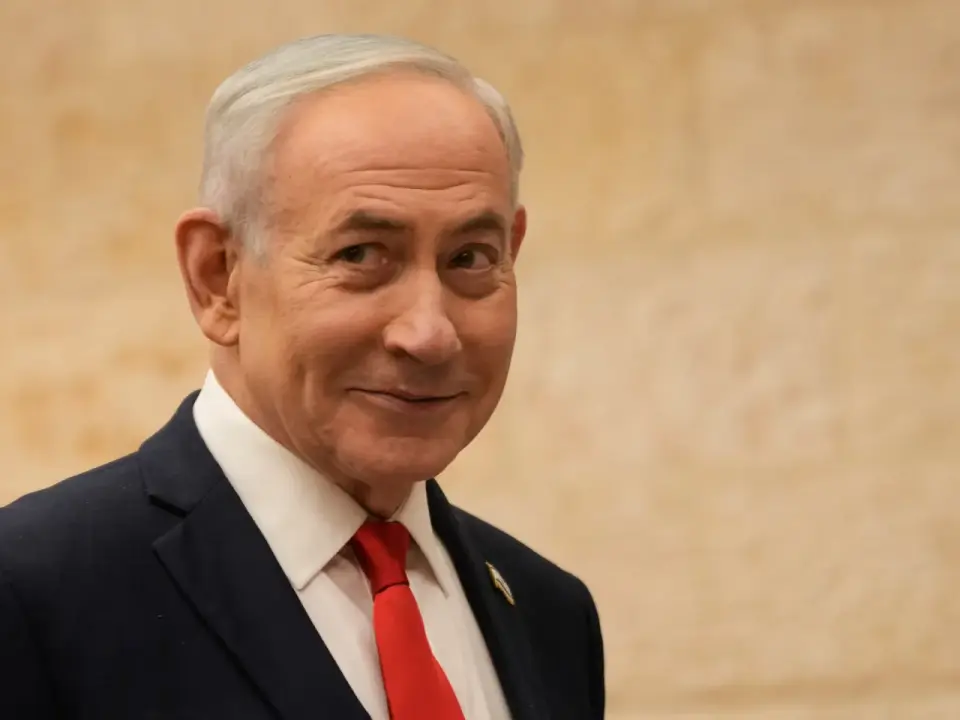
Israeli Prime Minister Benjamin Netanyahu is entering his 13th parliamentary election campaign by leveraging a long-standing strategy of portraying himself as a victim of a 'deep state' and external enemies. This approach allows him to deflect accountability for the October 7, 2023 security failure and the ongoing war in Gaza. Recent controversies, including claims that the UAE warned him of the Hamas attack, have intensified this narrative, with Netanyahu and his allies framing such reports as foreign interference. Analysts note that this populist tactic, which resonates with his base's sense of exclusion, helps maintain support despite significant governance failures.
Key points
- Netanyahu is using a victimhood narrative to deflect blame for the October 7, 2023 attack and the subsequent war in Gaza.
- He has framed recent reports of UAE intelligence warnings as 'foreign interference' and launched legal action against the media.
- Analysts describe his strategy as a form of populism that resonates with his base's historical sense of exclusion by the Ashkenazi establishment.
- Netanyahu has competed with far-right figures for the legacy of the Irgun militia to solidify his right-wing credentials.
- His wife, Sara Netanyahu, has suggested opposition leader Yair Golan knew of the Hamas attack in advance, further deflecting blame.
Background
Netanyahu has served as Israel's longest-serving prime minister, accumulating 18 years in office across three separate periods. He has previously faced corruption trials and judicial overhaul controversies, which his supporters framed as battles against an unelected 'deep state.' Recent international legal actions, including Turkish Red Notices for genocide charges related to the Sumud Flotilla raid, have added to the pressure on his administration.
How outlets are covering it
Al Jazeera emphasizes the psychological and political dimensions of Netanyahu's victimhood strategy, citing experts who argue it allows him to distance himself from ethical responsibility and maintain support among his base. AP News focuses on the specific controversy regarding the UAE's alleged warning to Netanyahu before the October 7 attack, highlighting the denial and legal counter-attacks by Netanyahu's office. While Al Jazeera frames this as part of a broader populist playbook, AP News presents it as a specific intelligence and diplomatic dispute. Both outlets agree that Netanyahu is using deflection tactics to manage public perception ahead of the election.
Why it matters
Netanyahu's ability to maintain power despite significant security failures and international condemnation highlights the effectiveness of his populist narrative. This strategy not only impacts Israeli domestic politics but also influences regional dynamics, as seen in the dispute over UAE intelligence sharing. The election outcome will determine whether this approach continues to resonate with the Israeli public or if a shift in political leadership occurs.
What to watch
The upcoming 13th parliamentary election will test the durability of Netanyahu's victimhood narrative. The outcome will depend on whether his base remains mobilized by the 'deep state' and foreign interference rhetoric or if public sentiment shifts due to the ongoing war and economic challenges. International legal proceedings and diplomatic disputes, such as those with Turkey and the UAE, may also influence the political landscape.
- Benjamin Netanyahu has overseen a genocide: In his telling, he’s a victim Al Jazeera
- Gallant pans Netanyahu’s ‘atmosphere of defeatism’ in days after Oct. 7 massacre The Times of Israel
- UAE warned Netanyahu of major Hamas operation days before Oct. 7 attack, news report says AP News
- Netanyahu faces pressure after report alleges he brushed off warnings ahead of Oct. 7 PBS
- Arab warnings to Netanyahu ahead of Oct. 7 massacre shatter his core political defense The Times of Israel
Want the full story? Read the original reporting
Read on Al Jazeera