
New Israeli Parliament Moves to Overturn Netanyahu Policies as Caretaker PM Warns of Iran Threat
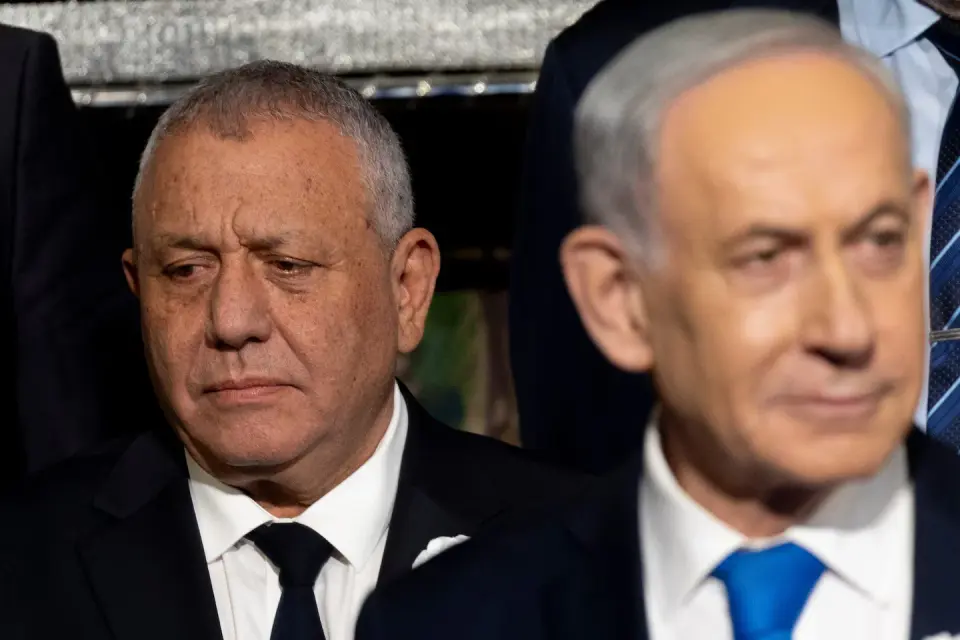
The newly sworn-in Israeli parliament, led by opposition majority, has introduced bills to investigate the Oct. 7 attacks and reverse judicial reforms, while caretaker PM Netanyahu urges a unity government amid Iran threats.
Key points
- The 26th Knesset convened on Tuesday, with opposition leaders holding a majority and introducing bills to scrutinize Netanyahu’s handling of the Oct. 7, 2023, attacks.
- Gadi Eisenkot, tasked with forming a new government, pledged to reverse Netanyahu’s policies, including setting term limits for the prime minister and overturning judicial changes.
- Netanyahu, serving as caretaker PM, warned of imminent international pressure to accept Iran as a nuclear power and urged a national unity government to address security threats.
- Eisenkot canceled a meeting with Netanyahu’s Likud party after the PM’s speech, calling it 'divisive' and 'hate-filled,' and accused Netanyahu of being unfit for office.
- The opposition is moving to replace the current Knesset speaker, Amir Ohana, with Matan Kahana to advance their legislative agenda, a process that can occur before a coalition is formed.
Background
This follows the October 27, 2026, election where Netanyahu’s bloc failed to secure a majority, leading President Isaac Herzog to task Gadi Eisenkot with forming a government. Eisenkot has up to six weeks to build a coalition, facing hurdles including internal opposition to partnering with Arab-led parties. Netanyahu has previously claimed the election was 'stolen' by Arab-led parties, a claim disputed by officials and party leaders.
How outlets are covering it
The Washington Post emphasizes the opposition’s legislative agenda to scrutinize Netanyahu and roll back controversial legislation. AP News highlights Eisenkot’s pledge to reverse policies and the procedural steps to replace the Knesset speaker, noting the uncertainty of coalition formation. The Jerusalem Post focuses on Netanyahu’s warnings about Iran’s nuclear threat and his call for a unity government, contrasting with Eisenkot’s condemnation of his speech as 'shameful' and 'delusional.'
Why it matters
The actions of the new parliament could significantly alter Israel’s political landscape, potentially leading to the reversal of key policies and increased scrutiny of Netanyahu’s tenure. The ongoing tensions between the opposition and Netanyahu, along with the threat of a failed coalition, could impact Israel’s security posture and international relations, particularly regarding Iran.
What to watch
Eisenkot will continue coalition negotiations, potentially including talks with Arab-led parties if conditions are met. The Knesset may vote on replacing the speaker, which could accelerate the opposition’s legislative agenda. Netanyahu, as caretaker PM, may attempt to block new legislation or pursue appointments, while facing ongoing corruption trials and security failure allegations.
- Israel’s newly elected parliament is already moving against Netanyahu The Washington Post
- Eisenkot unveils agenda to reverse Netanyahu’s policies as Israel's new parliament is sworn in AP News
- Israeli Opposition Pushes for Oct. 7 Inquiry at First Session of New Parliament The New York Times
- Live updates from Knesset • Outgoing Likud Knesset Speaker schedules vote on his replacement Haaretz
- Benjamin Netanyahu: Israel will be pressured to accept Iran nukes, must form unity gov't The Jerusalem Post
Want the full story? Read the original reporting
Read on The Washington Post