
Ontario Officials Request Federal Self-Defense Law Changes After Fatal Home Invasion
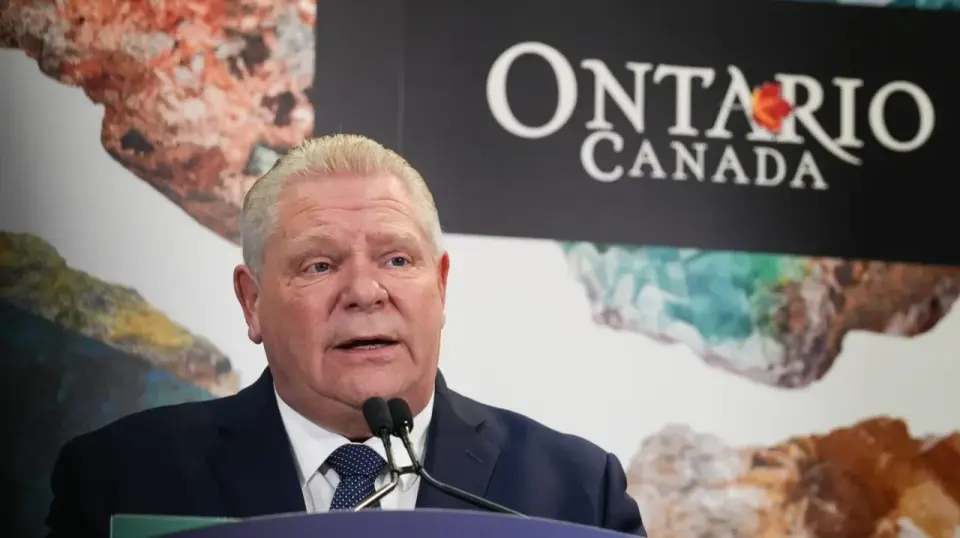
Following the fatal shooting of a 39-year-old musician in a Toronto home invasion, Ontario Premier Doug Ford and provincial officials have urged the federal government to amend the Criminal Code. They seek to clarify that homeowners have no duty to retreat and to define reasonable self-defense more explicitly. Ford, a legal gun owner, encouraged residents to 'fight back' with any available tools, a stance criticized by opposition leaders and police who advise calling 911 first. Toronto police report a 30% rise in home invasions this year.
Key points
- Ontario Attorney General Doug Downey and Solicitor General Michael Kerzner sent a letter to federal ministers requesting changes to the Criminal Code to explicitly state that homeowners have no duty to retreat and to provide a list of factors for determining reasonable self-defense.
- The calls for legal change follow the fatal shooting of Michael Eckert, 39, a pedal steel guitarist, during a home invasion in Toronto's Casa Loma neighborhood on Wednesday, November 25.
- Ontario Premier Doug Ford, a Progressive Conservative and legal gun owner, stated he would not hesitate to shoot an intruder and encouraged Ontarians to use 'whatever tool they have' to protect their families, including knives or baseball bats.
- Toronto police reported nearly 120 home invasions in the city this year, a 30% increase over the same period last year, with affluent areas like Bridle Path and Casa Loma among the hardest hit.
- The federal government's Bail and Sentencing Reform Act, which received royal assent in June, already made over 80 changes to criminal laws, though critics argue it does little to address the root causes of crime.
Background
This incident is part of a broader trend of rising home invasions in Toronto, which hit a 10-year high in 2024 before dropping in 2025 and rising again in 2026. The current push for 'castle doctrine' style laws in Ontario mirrors the 'stand your ground' statutes adopted by 36 U.S. states, which remove the duty to retreat in self-defense situations. Previous incidents, such as a violent home invasion in Bridle Path that injured a family of four, have heightened public concern about safety in affluent neighborhoods.
How outlets are covering it
The Hill and Global News report that Ontario officials are formally requesting federal legal changes to clarify self-defense rights. CBC highlights the controversy surrounding Premier Doug Ford's comments, noting that opposition leaders from the Green and NDP parties criticized his advice to 'fight back' as dangerous and irresponsible, arguing that police should be the primary line of defense. CTV News provides legal context, with criminal defense lawyers Nick Cake and Joseph Neuberger explaining that self-defense must be 'proportionate' to the threat; they warn that using lethal force against an unarmed intruder could result in criminal charges. Police, including Det. Sgt. Alan Bartlett, have consistently advised the public to call 911 first rather than engage with intruders, a stance that contrasts with Ford's rhetoric.
Why it matters
The debate over self-defense laws highlights a growing tension between public safety concerns and legal protections in Canada. As home invasions rise in major cities like Toronto, the push for 'castle doctrine' style laws could significantly alter how self-defense is interpreted in criminal courts. The controversy also reflects broader political divisions over gun ownership and personal responsibility versus state-provided security, with potential implications for future criminal justice policy in Ontario and across Canada.
What to watch
The federal government, including Justice Minister Sean Fraser and Public Safety Minister Gary Anandasangaree, has not yet responded to Ontario's request for Criminal Code amendments. The Canadian Press has reached out to their offices for comment. If the federal government agrees, the process of amending the Criminal Code would involve legislative review and potential consultations with provinces and territories to establish best practices for self-defense claims in home invasion cases.
- Ontario’s Doug Ford calls for US-style self-defense laws after violent home invasions The Hill
- Ontario Premier Says He’d Use a Gun to Protect His Family The New York Times
- Ford says he wouldn't hesitate to shoot a home invader, encourages Ontarians to 'fight back' CBC
- Criminal lawyer shares how to legally defend yourself during a home invasion CTV News
- Ontario calls for Criminal Code changes to give home invasion victims more protection Global News
Want the full story? Read the original reporting
Read on The Hill