
EU Budget Summit Ends in Deadlock as Leaders Clash Over Strategic Cuts and Ukraine Aid
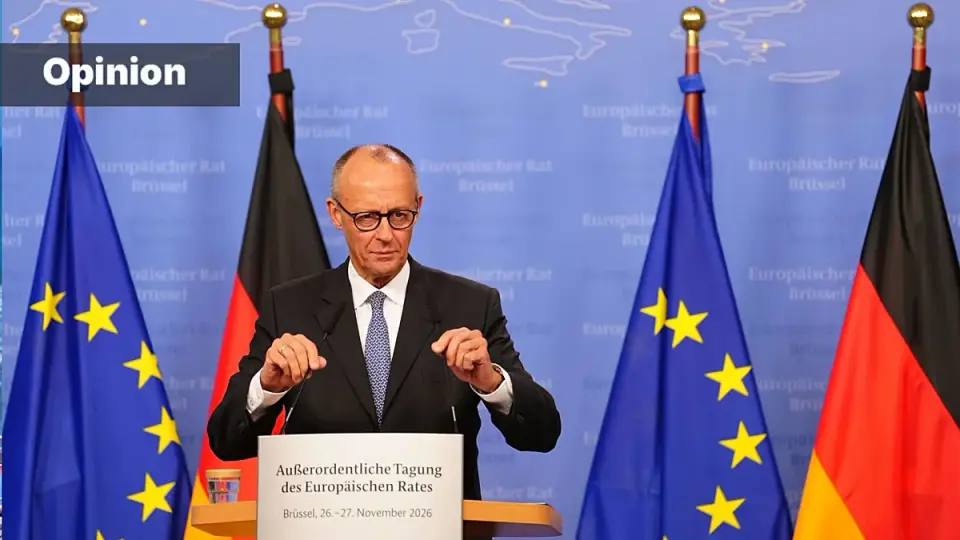
The European Union’s special summit on the 2028-2034 budget collapsed without agreement, exposing deep divisions over spending priorities. Council President António Costa’s draft, which cuts strategic sectors like defense and competitiveness by nearly 30%, faced resistance from net contributors demanding deeper reductions and cohesion countries opposing cuts to regional funds. While leaders aim to reach a deal by year-end before 2027 elections, the failure to resolve the €45 billion Ukraine loan and new revenue sources leaves the bloc’s future financial framework in limbo.
Key points
- The summit ended without consensus, with leaders set to reconvene on December 17, 2026.
- Costa’s draft reduces the Commission’s €2 trillion proposal to €1.78 trillion, cutting defense and security by 30%.
- Germany and other net contributors demand further cuts, while cohesion countries oppose reductions to regional funds.
- The €45 billion Ukraine loan remains unresolved, with Slovakia, Hungary, and Czechia resisting mandatory participation.
- France’s 2027 presidential election adds urgency to finalize a deal before the current political cycle ends.
Background
The EU’s Multiannual Financial Framework requires unanimous approval from all 27 member states and consent from the European Parliament. Previous negotiations have highlighted structural tensions between net contributors and beneficiaries, with the current draft facing criticism for disproportionately cutting strategic priorities despite overall increases in defense funding compared to the current budget. The 2024 Draghi report estimated €750-800 billion in annual investment needed to close innovation and security gaps, a sum that cannot be fully met by the EU budget alone.
How outlets are covering it
Euronews emphasizes the structural flaw in EU budgeting, where national interests prioritize easily attributable benefits like agriculture over joint strategic tasks like defense. The Guardian highlights the clash over the €45 billion Ukraine loan, with Merz threatening to veto the budget unless all states contribute, while Bulgaria agreed to fund only non-military support. CNBC focuses on the political pressure from 2027 elections, noting that France’s far-right candidate Marine Le Pen opposes both Ukraine aid and EU contributions, forcing Macron to seek a deal before his political influence wanes.
Why it matters
The failure to agree on the 2028-2034 budget risks delaying critical investments in defense, technology, and energy security. Without a unified framework, member states may pursue fragmented national strategies, leading to inefficiencies and higher costs. The unresolved Ukraine loan also threatens the bloc’s solidarity and long-term security posture.
What to watch
Leaders will reconvene on December 17, 2026, to resume negotiations. A potential compromise may involve a smaller overall budget with concessions to net contributors and cohesion countries, while postponing contentious revenue sources. The outcome will depend on whether leaders can balance national interests with the need for joint strategic investment before the 2027 election cycle.
- EU budget summit collapses as row over money exposes strategy clash Euronews.com
- EU budget summit ends abruptly in Brussels DW.com
- France and Germany want deal by year-end to 'Le Pen-proof' next EU budget and Ukraine funding Reuters
- EU leaders wrestle over Ukraine aid as potential Le Pen victory sparks fear The Guardian
- EU leaders fail to break $1.7 trillion budget deadlock as political pressure mounts CNBC
Want the full story? Read the original reporting
Read on Euronews.com