
Pacific Islands Forum Summit in Palau Loses Key Leaders Amid Security and Climate Tensions
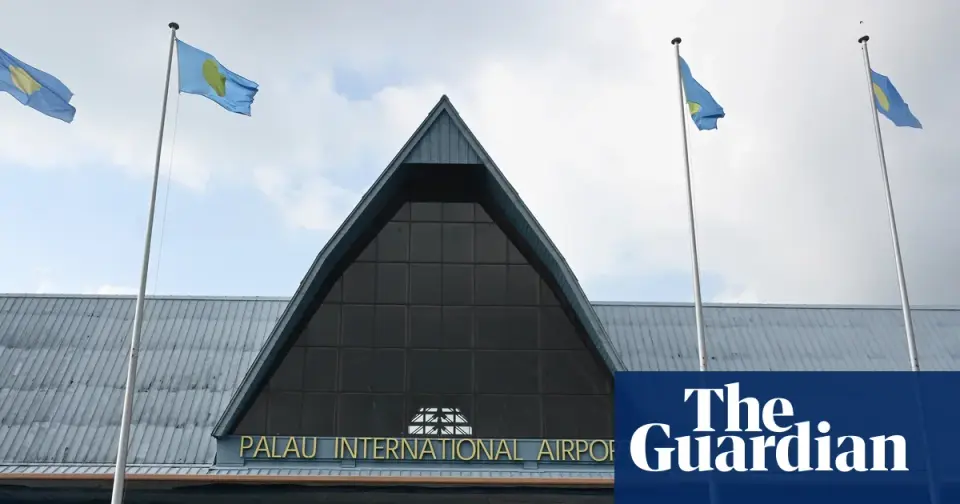
The Pacific Islands Forum summit in Palau has been significantly weakened after several national leaders withdrew at the last minute. Solomon Islands Prime Minister Matthew Wale cancelled his attendance following a no-confidence motion at home, while Fiji, Vanuatu, and Samoa also sent no representatives. Australian Prime Minister Anthony Albanese confirmed he would still attend, emphasizing the need for regional cooperation on security and climate resilience despite the absences.
Key points
- Solomon Islands Prime Minister Matthew Wale withdrew from the summit after a no-confidence motion was lodged against him by home affairs minister Manasseh Maelanga, who accused Wale of bypassing cabinet consultation on national matters.
- Fiji Prime Minister Sitiveni Rabuka, Vanuatu Prime Minister Jotham Napat, and Samoan Prime Minister La’auli Leuatea Schmidt also confirmed they would not attend the meeting in Palau.
- Australian Prime Minister Anthony Albanese stated he would still attend the summit, highlighting Australia’s duty to support Pacific nations and the importance of the Pacific Australia Labour Mobility Scheme for regional economic stability.
- The summit was expected to discuss pilot projects for climate resilience ahead of the November Cop31 climate summit, but the absence of key leaders has raised concerns about the forum’s effectiveness.
- Australia has recently signed a security deal with Fiji, elevating the bilateral relationship to a formal alliance as part of efforts to counter Chinese influence in the region.
Background
This event follows a period of heightened strategic competition in the Pacific, where Australia has been actively engaging in bilateral security agreements with Pacific nations to counter Chinese influence. The forum’s recent focus has included climate resilience initiatives and labor mobility schemes, which have become politically contentious in Australia due to debates over immigration cuts. The absence of key leaders at this summit may reflect a shift toward prioritizing bilateral agreements over multilateral commitments, a trend noted by regional analysts.
Why it matters
The withdrawal of multiple Pacific leaders from the summit undermines the forum’s ability to coordinate on critical issues like climate resilience and regional security. It highlights tensions between multilateral cooperation and bilateral alliances, particularly as Australia seeks to strengthen its influence in the Pacific. The absence of key voices may delay progress on climate initiatives ahead of Cop31 and could signal a broader shift in how Pacific nations engage with regional and global partners.
What to watch
The summit will proceed without several key leaders, potentially limiting its outcomes on security and climate policy. Australia will continue to engage bilaterally with Pacific nations, including Fiji, to advance security and labor mobility agreements. The forum’s effectiveness may be scrutinized in the lead-up to the Cop31 climate summit in November, and the no-confidence motion against Solomon Islands’ prime minister could have domestic political repercussions.
Want the full story? Read the original reporting
Read on The Guardian