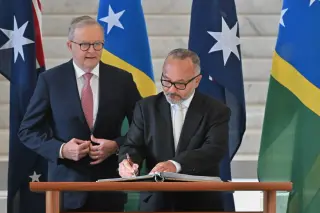
Solomon Islands to reexamine 2022 security pact with China under new PM
Solomon Islands’ new prime minister, Matthew Wale, says the government will review its secretive 2022 security pact with China.

All articles tagged with #solomon islands
Solomon Islands’ new prime minister, Matthew Wale, says the government will review its secretive 2022 security pact with China.

The piece argues that Australia should stop treating Solomon Islands primarily as a frontline in the China contest and instead pursue a broad, needs-based partnership—building trust through health, education, climate resilience and economic diversification, following Papua New Guinea’s model—to address Solomon Islands’ domestic challenges and secure durable, mutual gains.
Scientists have discovered a massive 34-meter-wide coral colony off the Solomon Islands, believed to be the largest living organism on Earth, dating back to the time of Napoleon. This Pavona clavus coral, over 300 years old, showcases remarkable resilience amidst environmental changes, offering hope for coral conservation amid climate change challenges. The discovery, made during a National Geographic expedition, highlights the unexplored wonders of the ocean and has spurred local conservation efforts to protect the area.
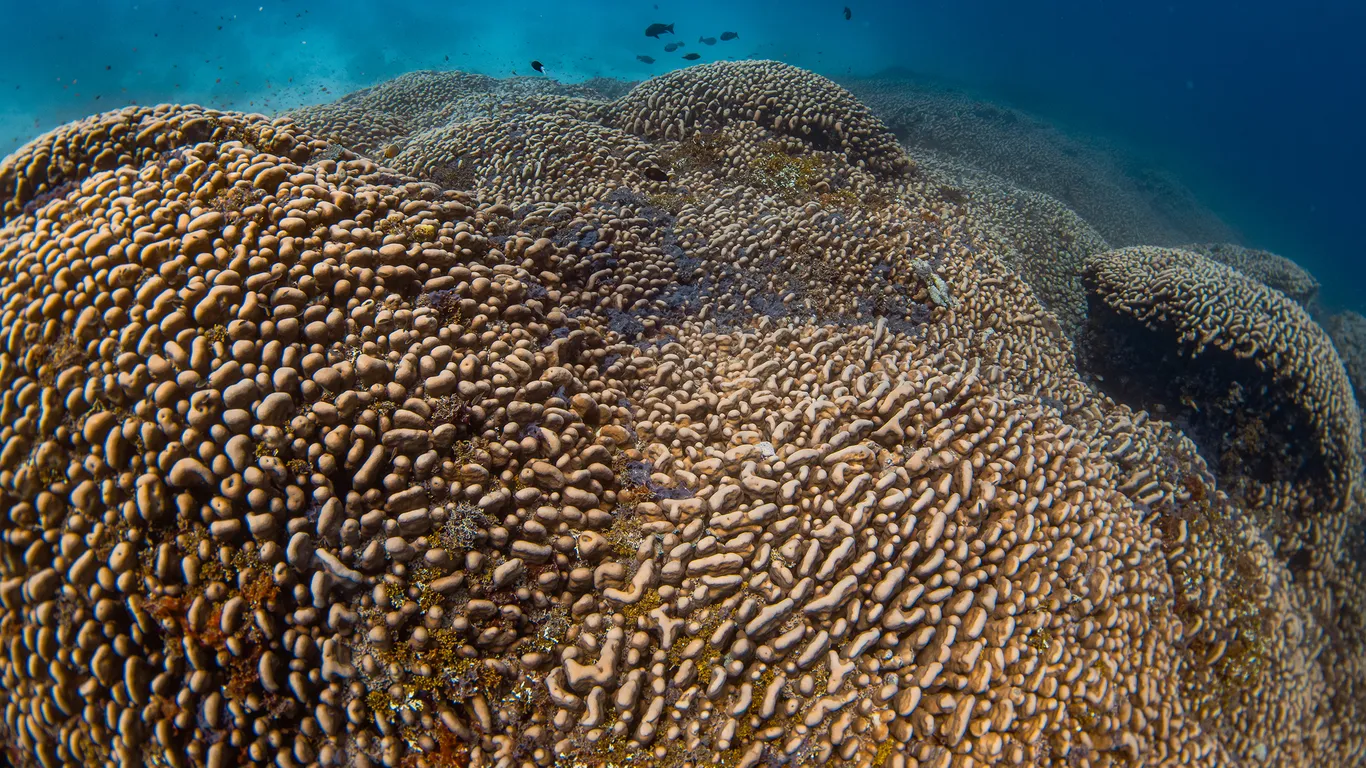
The world's largest coral, a 300-year-old Pavona clavus, has been discovered near the Solomon Islands and is visible from space. This "mega coral" measures 105 by 111 feet and provides essential habitat for marine species. Despite its size and remote location, it remains vulnerable to climate change and human threats. The discovery coincides with the UN climate summit, highlighting the urgency of ocean conservation amid a global coral bleaching event.
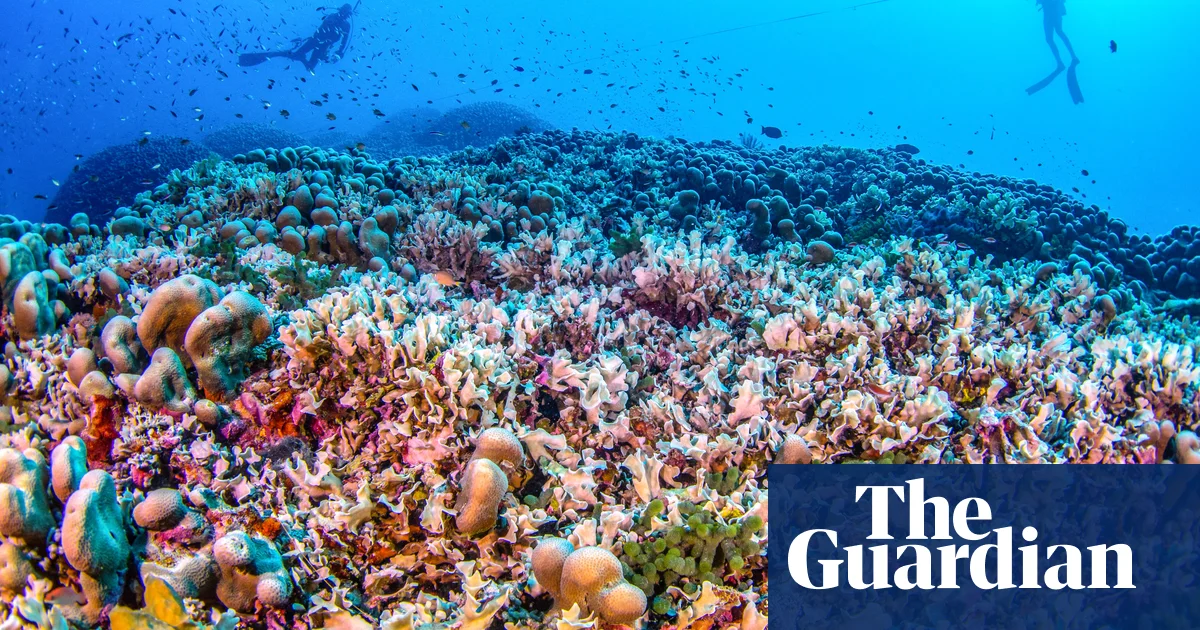
The world's largest known coral, a Pavona clavus, has been discovered in the Solomon Islands' coral triangle, measuring 183 meters in circumference and visible from space. This standalone coral, aged between 300 and 500 years, supports diverse marine life and highlights the ecological importance of the region. Despite its remote location, the coral faces threats from global warming and human activities, underscoring the need for conservation efforts. The discovery is significant for both scientific understanding and the cultural identity of the Solomon Islands' communities.

Scientists have discovered the world's largest coral near the Solomon Islands, measuring 32 meters long and 34 meters wide, and believed to be 300 years old. This "mega coral" is a standalone organism, providing essential habitat for marine life. Despite its size and vibrant colors, it faces threats from climate change, highlighting the urgency of global conservation efforts. The discovery coincides with the UN climate summit, emphasizing the need to protect such vital ecosystems.
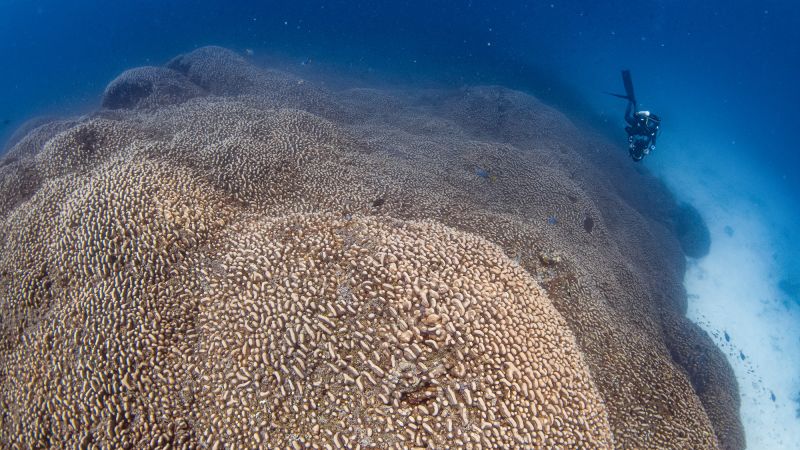
Scientists have discovered the world's largest coral in the southwest Pacific Ocean, visible from space and estimated to be over 300 years old. This massive coral, found during a National Geographic Pristine Seas expedition, is three times larger than the previous record-holder and provides a habitat for diverse marine life. While the discovery offers hope for coral resilience, it also highlights the threats posed by climate change and human activities. The finding coincides with global climate discussions at COP29, emphasizing the need for increased efforts to combat carbon emissions.
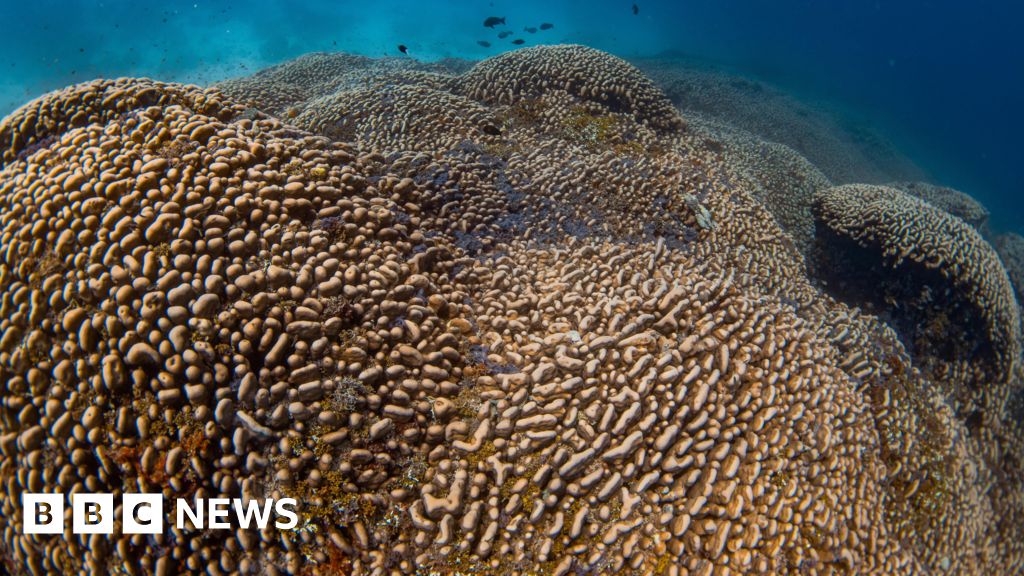
Scientists have discovered the world's largest coral in the Pacific Ocean near the Solomon Islands, measuring 34 meters wide and potentially over 300 years old. Found by a National Geographic team, this coral is in good health despite global warming threats, likely due to its deeper location. The discovery highlights the importance of protecting marine ecosystems, especially for small island nations like the Solomon Islands, which rely heavily on marine resources. The find coincides with COP29 climate talks, emphasizing the need for increased financial support to combat climate change impacts.
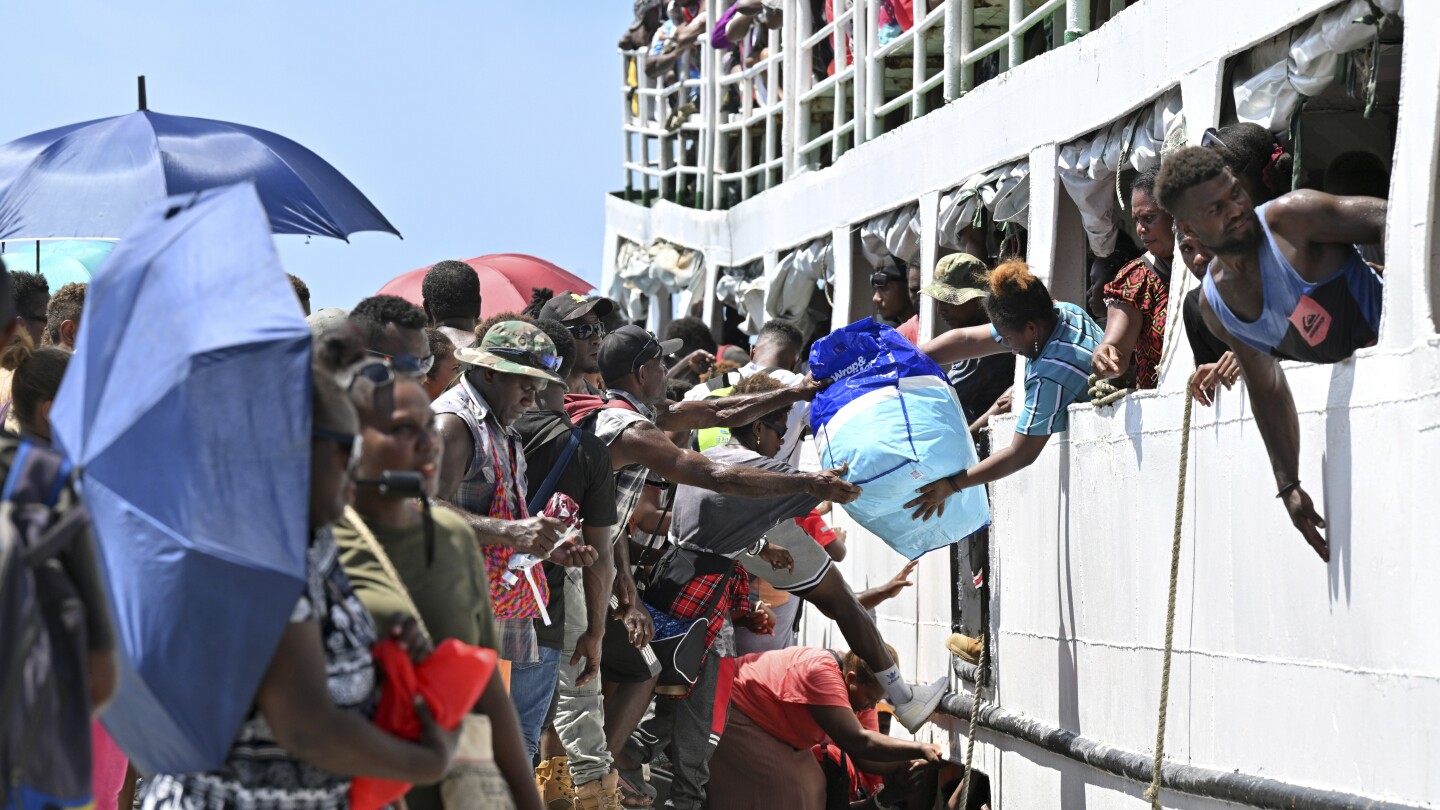
Solomon Islands' upcoming elections could impact China's influence in the South Pacific as current Prime Minister Manasseh Sogavare seeks a second consecutive term, with concerns about China backing pro-Beijing candidates. The electoral process is marred by underhand tactics like vote buying, and the 50 newly elected lawmakers will decide the prime minister. Sogavare's rule has seen a shift from Taiwan to Beijing, a leaked security pact with China, and allegations of China providing funds to support his government.
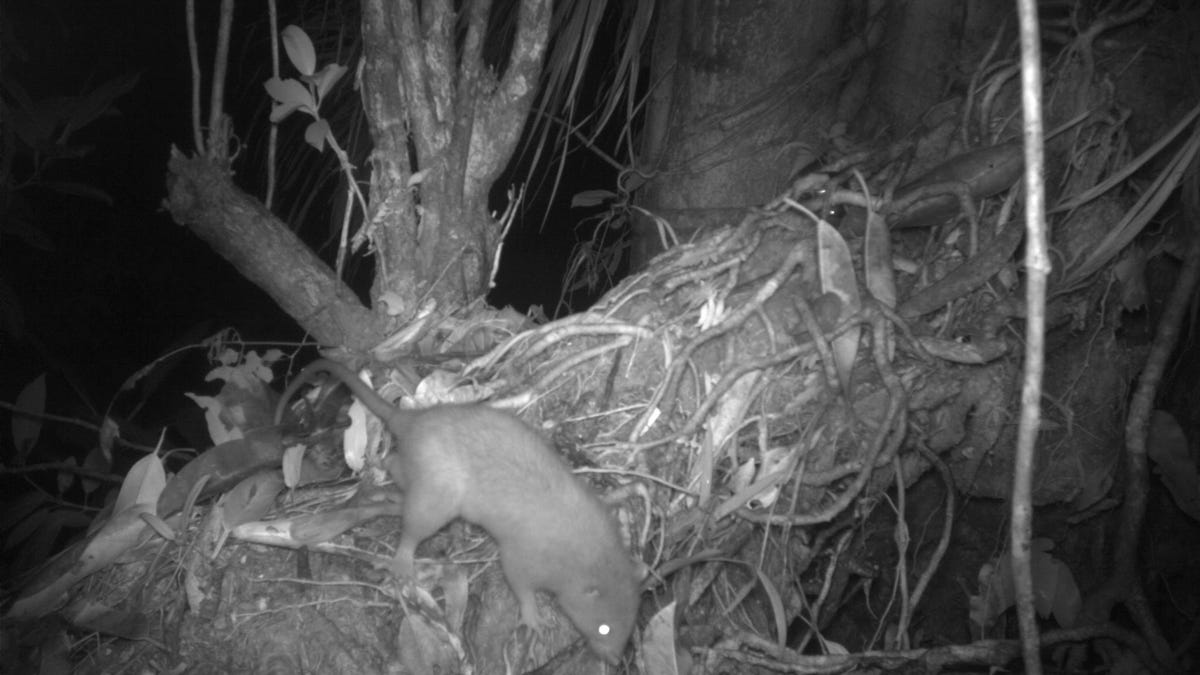
The ultra-rare Vangunu giant rat, also known as Uromys vika, has been captured on camera for the first time. This critically endangered species, which can grow to the size of a baby and crack coconuts with its teeth, is only found on Vangunu Island in the Solomon Islands. Researchers from the University of Melbourne and Solomon Islands National University were able to capture images of the rodent with the help of the local Indigenous population. The discovery of this new rodent species highlights the urgent need for conservation efforts, as its habitat is threatened by logging.
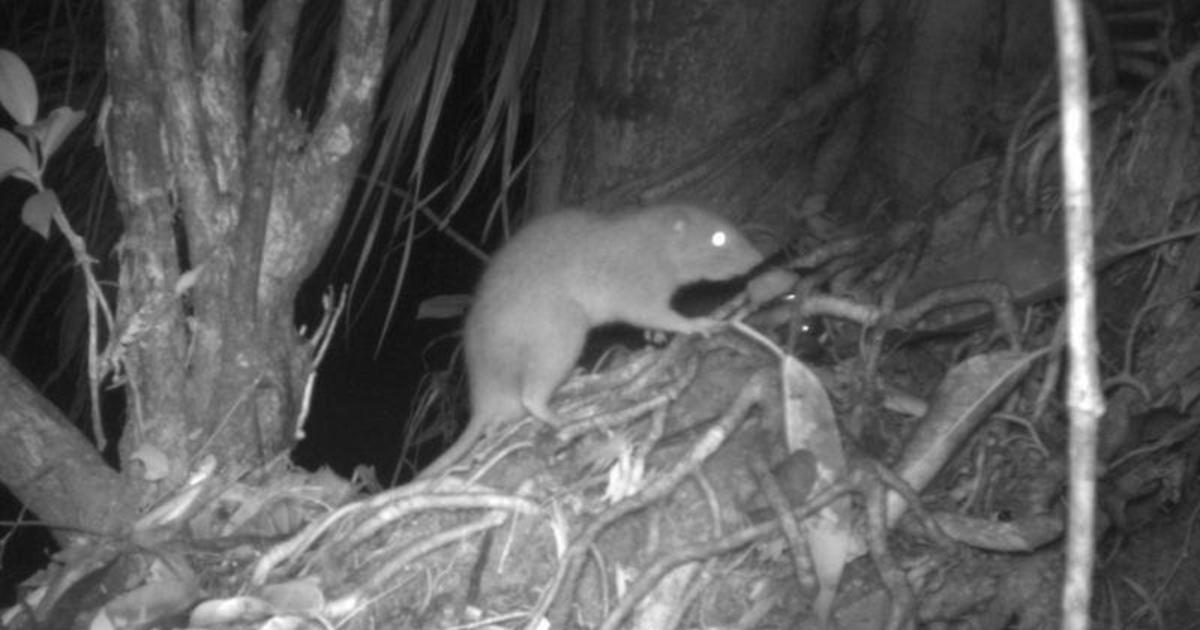
The ultra-rare Uromys vika, a giant rat twice the size of a common rat and known for chewing through coconuts, has been caught on camera for the first time. Found only on the island of Vangunu in the Solomon Islands, the species was first identified in 2017 and is considered critically endangered. The recent images captured by trap cameras show four different animals, with one male and the rest female. The discovery is significant as the Vangunu giant rat's habitat is rapidly declining due to logging, and if logging proceeds, it could lead to the species' extinction.
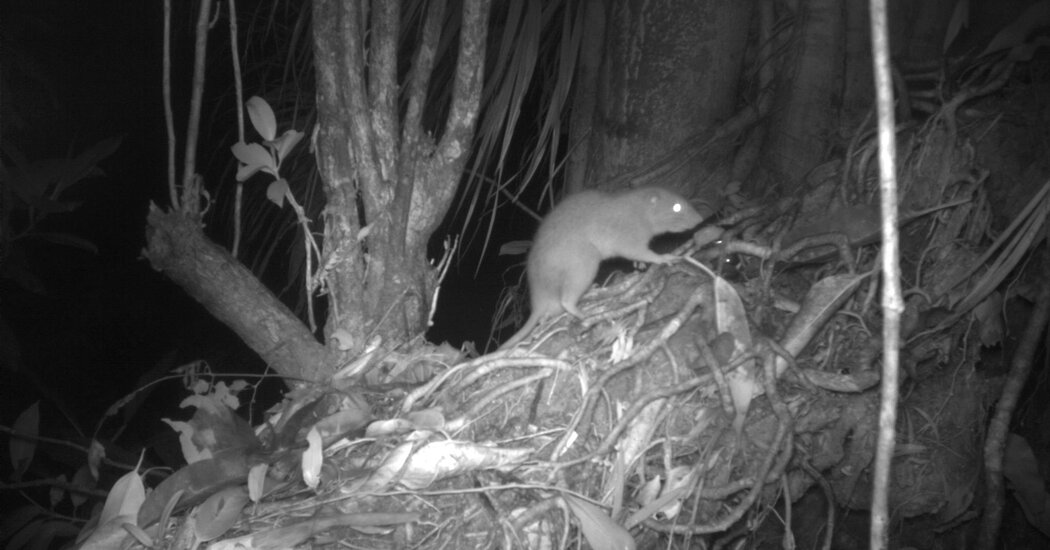
Researchers from the University of Melbourne and Solomon Islands National University, with the help of the local community, have captured the first-ever photos of the critically endangered Vangunu giant rat, also known as Uromys vika. The rat, which is at least twice the size of a common rat and can chew through coconuts, is one of the world's rarest rodents and is only found on the island of Vangunu in the Solomon Islands. The discovery is significant for conservation efforts and the local ecosystem, as logging has threatened the rat's habitat and the island's environment.
The elusive Vangunu giant rat, one of the world's rarest rodents, has been photographed for the first time in the Solomon Islands. The species, described in 2017, was captured on camera traps set up in the Zaira Conservation Resource Management Area. The images show four specimens, including three females and one male, with their distinctive large size, long tails, and short ears. Logging activities have critically endangered the species, making the new photos a promising development for its conservation.
The elusive Vangunu giant rat, one of the world's rarest rodents, has been photographed for the first time in the Solomon Islands. The species, described as "coconut-cracking" due to its ability to chew through coconuts, is at least twice the size of a common rat. Logging has critically endangered the species, making the new photos a promising development for its conservation. The discovery of the Vangunu giant rat is the first new rodent species described from the Solomon Islands in over 80 years.

Solomon Islands Prime Minister Manasseh Sogavare stated that he skipped the Pacific Islands leaders summit at the White House to avoid a "lecture" and because he had more pressing issues at home. Sogavare, who has close ties with China, expressed disappointment with the lack of outcomes from the previous summit and praised China's development cooperation as "less restrictive" at the United Nations General Assembly. The summit saw U.S. President Joe Biden making a significant pledge for infrastructure investment in the Pacific region, but Sogavare prioritized the remaining weeks of parliament in Solomon Islands over attending the summit.