
Paraguay President Resigns After Ueno Bank Seizal Triggers Impeachment and Protests
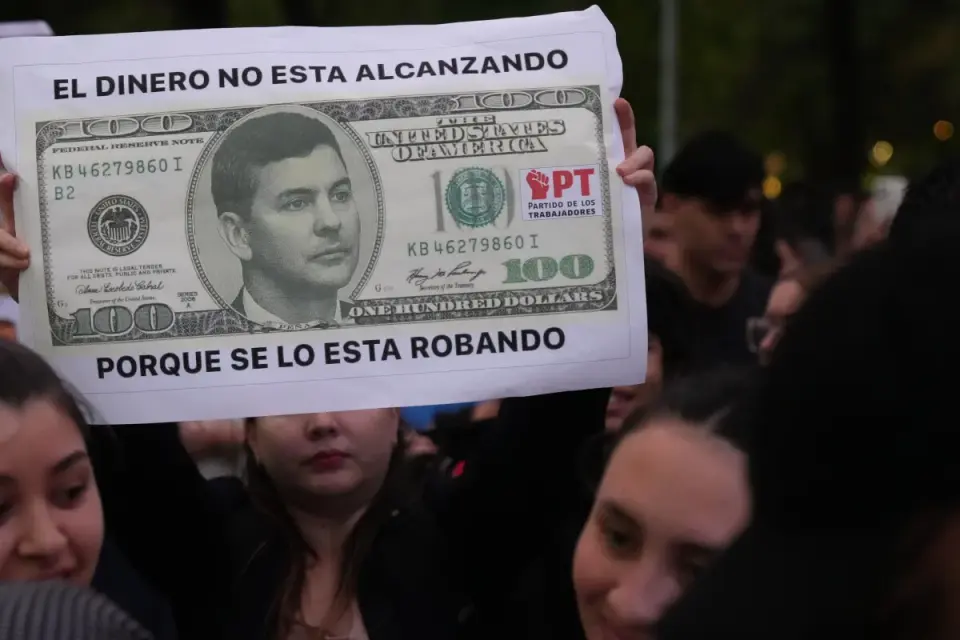
Paraguayan President Santiago Peña resigned on Thursday after his party withdrew support and Congress began impeachment proceedings, following the central bank’s seizure of Ueno Bank. The digital lender, which held roughly $800 million in public deposits and served millions of customers, collapsed after regulators found its capital fell below legal minimums due to risky insider lending. Protests erupted in Asunción, demanding accountability for the loss of savings and pensions, while eight senior bank executives were detained.
Key points
- Peña announced his resignation via social media to preserve democratic stability, though Congress must formally accept it.
- Vice President Pedro Alliana is next in line to succeed Peña if the resignation is accepted.
- The central bank seized Ueno Bank after its solvency ratio dropped below 50% of the legal minimum following adjustments to its financial statements.
- Ueno Bank had approximately 2.9 million customers, representing more than 60% of Paraguayan adults, and held significant public funds, including state pension and health money.
- Regulators found that Ueno extended large loans to companies linked to its owners without sufficient collateral, violating lending laws.
- Eight senior executives, including founder Miguel Vázquez, were detained, and 27 individuals were charged with offenses including breach of trust and attempted fraud.
Background
Paraguay had been viewed as a stable economic hub in South America, but the Ueno Bank crisis exposed deep ties between the ruling Colorado Party and financial regulators. Previous coverage noted that Peña maintained business ties with Ueno’s holding company until 2025 and appointed the bank’s former president to lead the central bank. The collapse of Ueno, which grew rapidly after receiving its banking license in 2023, highlighted concerns about regulatory oversight and the concentration of public funds in a single digital lender.
How outlets are covering it
AP News emphasizes the political fallout, noting that Peña lost the backing of his own party and that Congress was debating his impeachment. It highlights the broader systemic issues, linking the bank’s rapid growth to the Colorado Party’s proximity to regulators and business elites. CNN focuses on the procedural aspects, detailing the impeachment charges brought by 35 opposition lawmakers and ruling-party dissidents for 'serious and systematic dereliction of duty.' CNN also notes the specific solvency ratio drop and the scale of the customer base, while AP provides more detail on the nature of the risky lending and the public anger over the loss of savings. Both sources agree on the resignation and the seizure but differ in emphasis: AP on the political and social unrest, CNN on the legal and financial mechanics of the collapse.
Why it matters
The resignation of Paraguay’s president marks a significant political crisis in a country previously seen as a model of economic stability in South America. The collapse of Ueno Bank, which held a large portion of the country’s public deposits and served the majority of adults, threatens the financial security of millions, including retirees and workers. The incident exposes vulnerabilities in regulatory oversight and the potential for conflicts of interest between political leaders and financial institutions, potentially undermining investor confidence and public trust in democratic institutions.
What to watch
Congress must decide whether to accept or reject Peña’s resignation. If accepted, Vice President Pedro Alliana will assume the presidency. The central bank is in the process of moving customers’ accounts and assets to other banks before liquidating Ueno. Authorities are repaying depositors and opening new accounts for those who banked only with Ueno. Legal proceedings against the 27 charged individuals will continue, and the fate of the frozen public funds, including state pension investments, remains uncertain.
- How one bank’s collapse is upending Paraguay, trapping savings and threatening its president AP News
- President of Paraguay resigns as president of amid crisis over the closure of Ueno Bank CNN
- Paraguay’s swaggering digital bank has fallen The Economist
- Paraguay bank crisis spurs lawmakers' calls to impeach president Reuters
- Paraguay Names New Central Banker After Lender Is Taken Over Bloomberg.com
Want the full story? Read the original reporting
Read on AP News